Maybe you spotted a stain on the ceiling beside the fireplace, a few brick chips on the roof or a damper that will not budge. Small discoveries like these send many homeowners in West Vancouver looking up “chimney air vent services” to find out how serious the problem really is. The answers below explain how chimney air vent service works, what tends to cause the damage in the first place and which details matter when you talk to a company about fixing it.

A chimney air vent is usually one of two things, and both affect how safely the chimney works. The first is an outside air supply: a vent or duct that brings fresh air from outdoors to a fireplace or wood stove so the fire does not pull air from the living space. The second is the vent connection that carries exhaust from a furnace, boiler or water heater into a chimney flue. Each needs a clear, sealed path. A blocked air inlet can leave a fire starved and smoky, while a loose or rusted connector can let exhaust escape indoors, so working carbon monoxide alarms are essential.
A masonry chimney has more parts than most people realize, and each one can need repair on its own. From the top down, you will usually find:
Inside the house sit the damper, the smoke chamber, the firebox and sometimes an ash dump. Factory-built chimneys swap the brick for a metal flue inside a framed chase with a metal cover on top.
Treat it as real: get everyone, pets included, out of the house and call 911 or the fire department from outside. Do not stay behind to open windows or hunt for the cause. Once the home has been cleared as safe, the venting needs a proper check before any fuel-burning appliance runs again, since a blocked flue, a loose vent connector or a starved fresh-air inlet can all push exhaust back indoors. People who search for “chimney air vent services” after an alarm should mention it when they call, so the technician starts with the vents, flue and connections serving the appliances closest to that alarm.
It depends on the part being repaired. Caps, crowns, flashing, upper masonry, chase covers, chimney fans and top-sealing dampers are reached from the roof or from ladders set against the chimney. Throat dampers, fireboxes, ash dumps, cleanout doors and many vent connections are handled from inside the house or at ground level. Roof work is planned around the weather, the pitch of the roof and safe ladder placement. Homeowners should not climb up to inspect or repair a chimney themselves; binoculars from the yard or the technician’s photos will tell you what you need to know.
The cost of chimney repair depends mostly on the part being fixed, how much damage there is and how hard the chimney is to reach. A tall chimney on a steep roof needs more equipment and time than a short one on a gentle slope. Materials vary too: stainless steel, copper and custom-sized parts cost more than standard ones, and masonry work depends on how many joints or bricks are involved. Hidden damage found once work begins, such as rotted framing under a chase cover, can add to the total. A written quote that spells out the scope makes comparisons easier.
The repairs we make hold up longest when the rest of the chimney system is looked after too. That means a cap that stays in place with clear mesh, a crown kept free of leaves and moss, flashing left alone by anyone doing roof work and regular sweeping if you burn wood, because creosote and moisture attack the inside of the flue. We tell homeowners exactly how long to wait before the first fire after masonry work. After that, a glance at the chimney from the yard after big storms and a professional look once a year usually keeps surprises to a minimum.
Yes, because the new appliance may vent differently from the old one. Many high-efficiency units vent through plastic pipe out a side wall and stop using the chimney altogether, which can leave an older appliance, such as a water heater, alone in a flue that is now too large for it. Mid-efficiency units still use the chimney but may need a properly sized liner. If you are reading up on “chimney air vent services” after an equipment swap, ask that the flue size, connector and termination be confirmed. Changes to the gas appliances themselves belong with a qualified gas technician.
Compare the scope first, because most differences we see between quotes come from what is included, not from skill. One company may plan to coat a cracked crown; another may rebuild it. One includes new flashing; another reseals the old metal. Before choosing, line the quotes up and ask each company the same three questions: what exactly is being fixed, what is causing the problem and what is the plan if more damage turns up. The answers usually explain the price gap. A quote that deals with the cause, not just the symptom, generally gives more value over time, even when it is not the lowest figure on the table.
The questions that matter most are about cause, scope and surprises, and any capable chimney company can answer them in plain words. Cause: why is this happening, and how do you know? Scope: which parts are included, which materials, and is the chimney top part of the job? Surprises: what happens if rotten framing or a cracked flue tile turns up halfway through? It is also fair to ask who will be on your roof, how long new mortar needs before a fire and how the site will be left. We welcome these questions, because they lead to fewer misunderstandings later.
A new address is a good moment to find out the real condition of your chimney, since previous owners rarely leave notes. Chimney Sweep West Vancouver can take a look and tell you what is fine and what deserves attention. Book a visit while you are settling in.
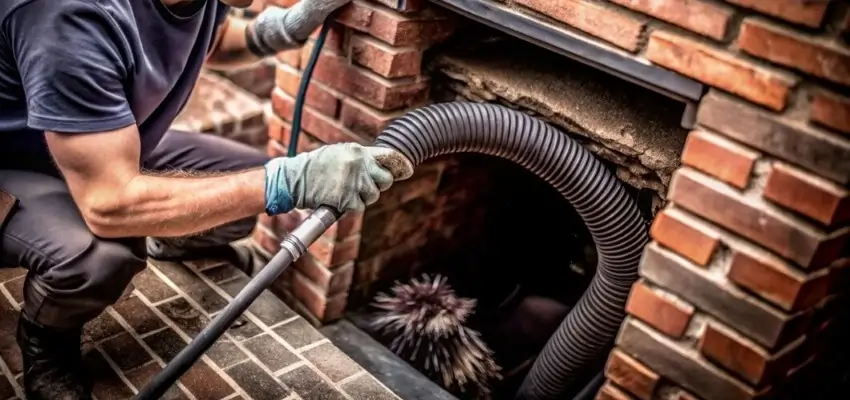
Chimney Cleaning that lifts soot and creosote in West Vancouver
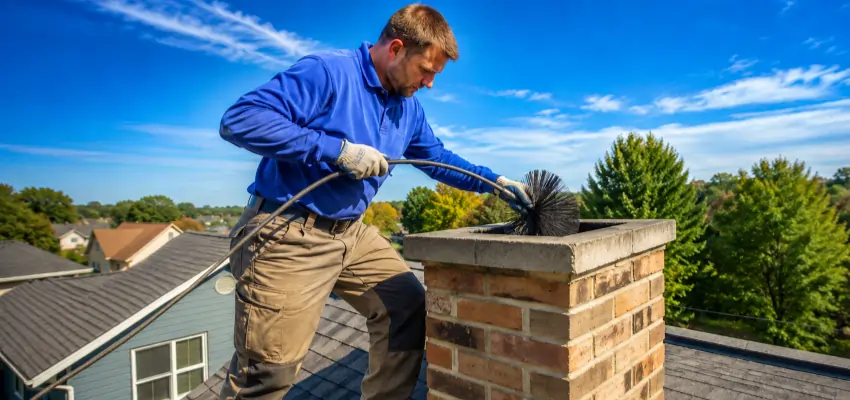
Why West Vancouver homeowners book Chimney Sweep visits yearly
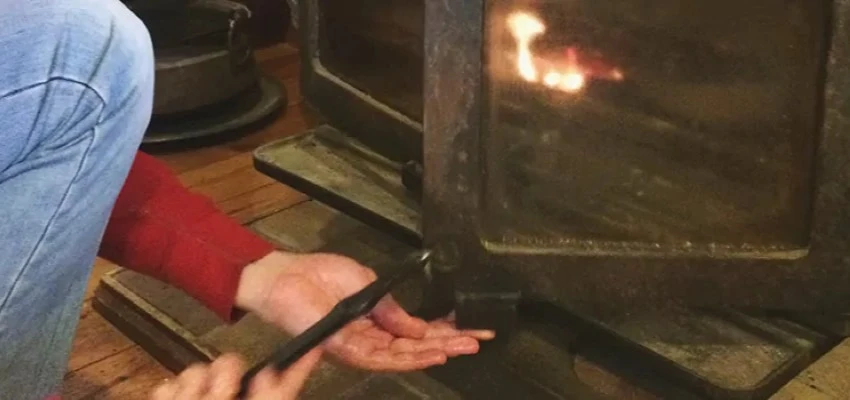
Swept and checked: Chimney Sweep Services in West Vancouver
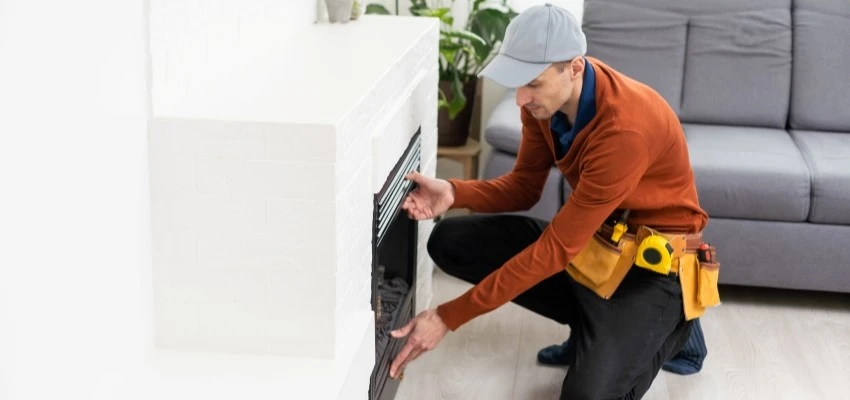
Ready for the season with Fireplace Experts in West Vancouver
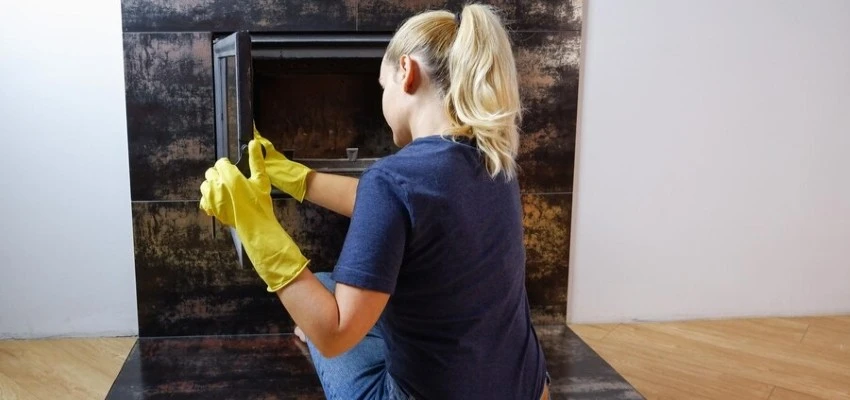
Control area vacuumed during Gas Fireplace Cleaning
Catch a weak thermocouple early with Gas Fireplace Maintenance