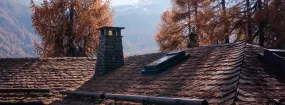
Looking after a chimney comes down to a few ideas that are easy to grasp once someone lays them out. Every answer below leads with the point and then gives the reasoning, so you can read one or all of them. It is written for anyone in West Vancouver who arrived after searching “chimney animal removal” and wants to understand chimney wildlife removal well enough to ask good questions and spot a vague answer.
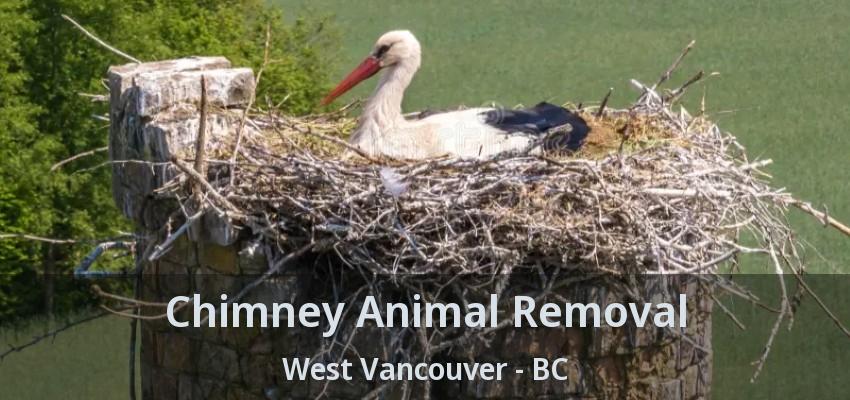
Birds, squirrels and raccoons account for most chimney visitors, with bats and the occasional opossum showing up now and then. Birds treat an open flue like a hollow tree and build nests on ledges or the smoke shelf. Squirrels often fall in while exploring the roof and cannot climb back up a smooth liner. Raccoons are strong climbers and pick chimneys as dry, quiet dens for raising their young. Each animal needs a different approach, which is why companies that handle “chimney animal removal” usually ask what you hear, when you hear it and where the sound seems to come from.
Soot is dry carbon and creosote is a tar-based wood smoke residue, and telling them apart helps us work out what is going on with the appliance. Soot wipes off on a fingertip and falls easily under a brush. When we find heavy soot in a flue serving a gas furnace, boiler or fireplace, we take it as a sign the burner may need attention from a qualified gas technician. Creosote, by contrast, tells us how the wood fires have been run: flaky deposits suggest reasonably hot burning, while sticky or glassy layers point to cool, smoky fires or firewood that was not dry enough.
Wildlife can wreck dampers, caps and liners as well as block the flue, and the damage we find after a long-term visitor is often worse than owners expect. Raccoons are strong enough to bend damper blades, rip out the insulation around a factory-built flue and pull mortar from a deteriorating smoke chamber while building a den. Birds pack sticks so tightly that a flue closes almost completely. Squirrels chew at whatever they can reach while trying to escape. Then there is what animals leave behind: droppings, wet nesting material and sometimes the animal itself, all of which soak into porous masonry. A camera check after removal shows us whether any of that needs repair.
Signs of a chimney fire include a loud roaring or popping sound, dense smoke, a strong hot smell and sparks or flames from the top of the chimney, but many chimney fires burn quietly and are only discovered later. Afterward you might notice puffy, honeycomb-like flakes of creosote on the roof or ground, a warped damper or cap, cracked flue tiles or discolored metal. If you think a fire is happening, get everyone outside and call the fire department. If you suspect one happened in the past, stop using the fireplace or stove until the chimney has been inspected.
Animals are removed humanely by giving them a safe way out rather than forcing them, and by keeping mothers and their young together. Depending on the animal, that may mean waiting until young birds have left the nest, fitting a one-way exit at the top so a squirrel or raccoon can leave but not return, or carefully lifting out a trapped animal and releasing it outdoors. Never light a fire or burn anything to drive an animal out, since it can trap the animal, ignite the nest and fill the house with smoke. Once the chimney is empty, the nesting material is cleared and a cap goes on.
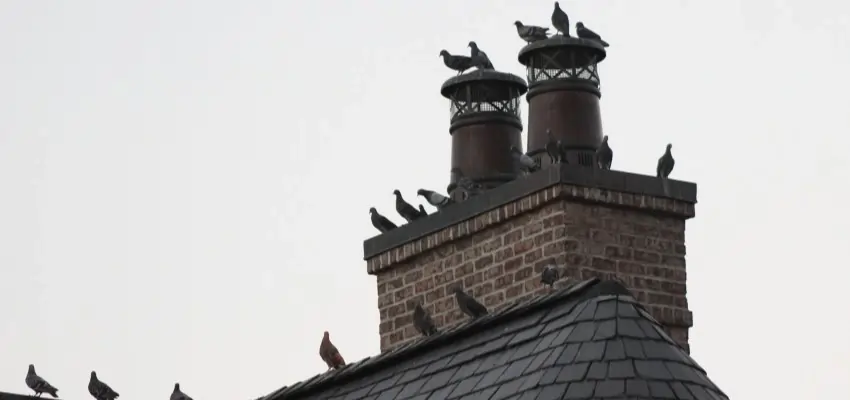
A sturdy chimney cap with mesh sides is the surest way to keep animals out, combined with a damper that stays closed whenever the fireplace or stove is not in use. The cap should fit the flue snugly and be firmly fastened, because raccoons can pry off loose covers. Have branches that overhang the roof trimmed back, since they give squirrels and raccoons an easy route to the chimney. Look at the cap from the ground after strong winds. If an animal has already been inside, have the nesting material and droppings cleaned out before the next fire, and ask whether any gaps around the crown need sealing.
Some owners do sweep their own chimneys, but we see enough DIY mishaps to suggest leaving the flue to a professional. Wire brushes can scratch stainless steel liners, and rods pushed from below without a vacuum spread soot through the room. Falls from roofs are a real risk. Sweeping logs can make loose creosote flakier so it drops more easily, which helps between visits, yet the debris still has to come out and the flue still needs a look. The parts we encourage owners to handle are good burning habits and visual checks; cleaning and inspecting are where trained eyes and proper tools pay off.
A chimney often smells after an animal leaves because droppings, urine and old nesting material soak into brick and mortar, and humid weather keeps releasing that odor. If an animal died in the flue or on the smoke shelf, the smell is stronger still until the remains are removed. Clearing every bit of debris, sweeping the flue and applying a deodorizing product made for chimneys usually brings it under control within days. Keep the damper and any glass doors closed meanwhile. If a strong smell persists after cleanup, ask for a camera check, since material can stay hidden on ledges higher up.
For most chimney animal problems, a chimney company is a sensible first call, because the work involves the flue, damper and cap as much as the animal. Many chimney technicians handle trapped birds and squirrels and clear nests themselves, and they can fit a proper cap afterward. Some situations, such as a raccoon family or bats, may be passed to a wildlife specialist or handled together with one. Ask during your “chimney animal removal” inquiry who will do which part, how the animal will be handled and whether the chimney will be swept and capped before the job is closed.
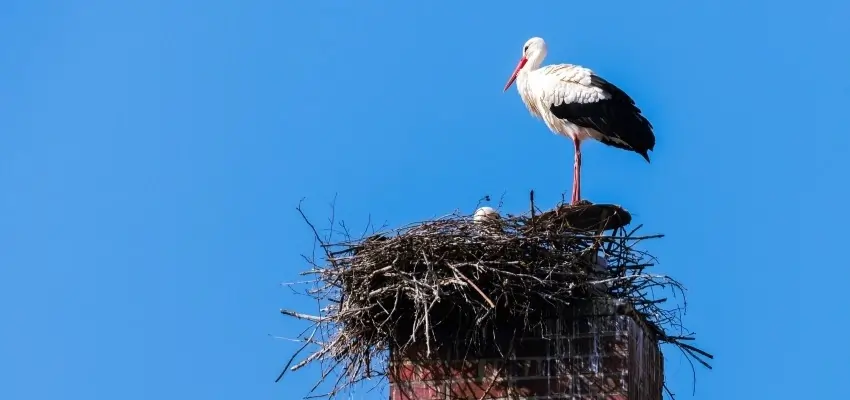
A good visit looks at the whole system around your chimney, not just the part you asked about. That is how Chimney Sweep West Vancouver approaches every home in West Vancouver. Book chimney wildlife removal and get a complete, honest overview of where things stand.
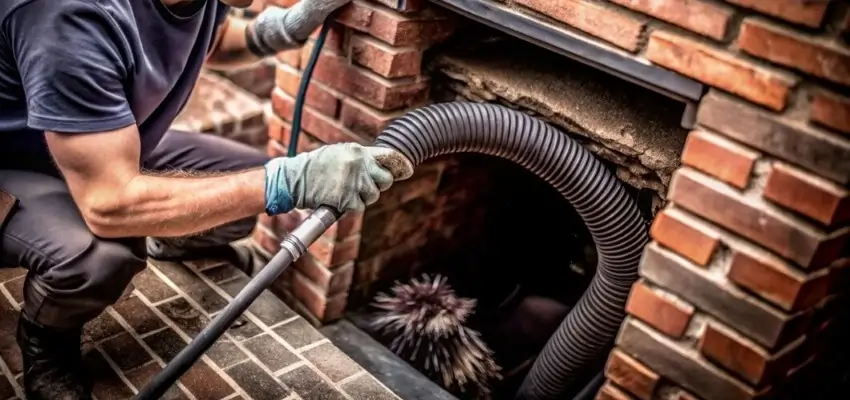
Chimney Cleaning that lifts soot and creosote in West Vancouver
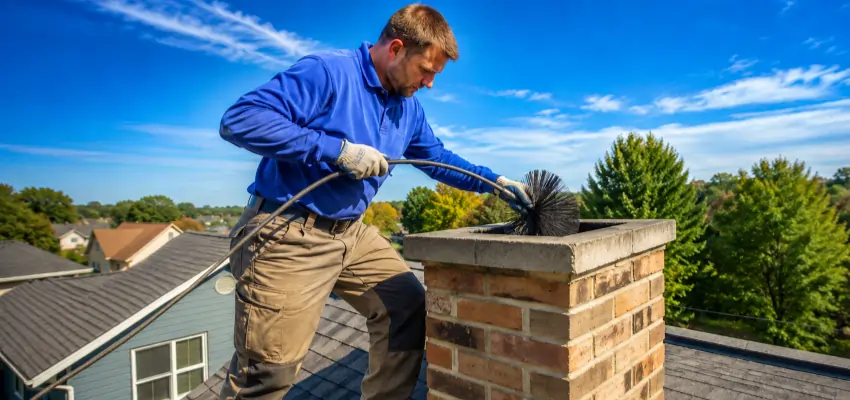
Why West Vancouver homeowners book Chimney Sweep visits yearly
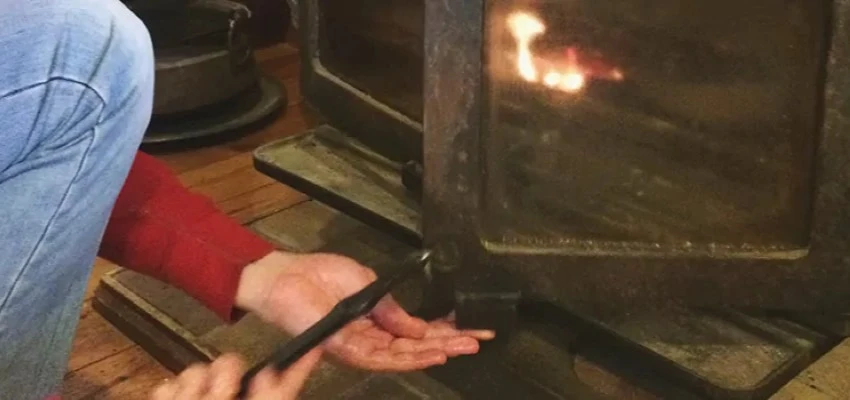
Swept and checked: Chimney Sweep Services in West Vancouver
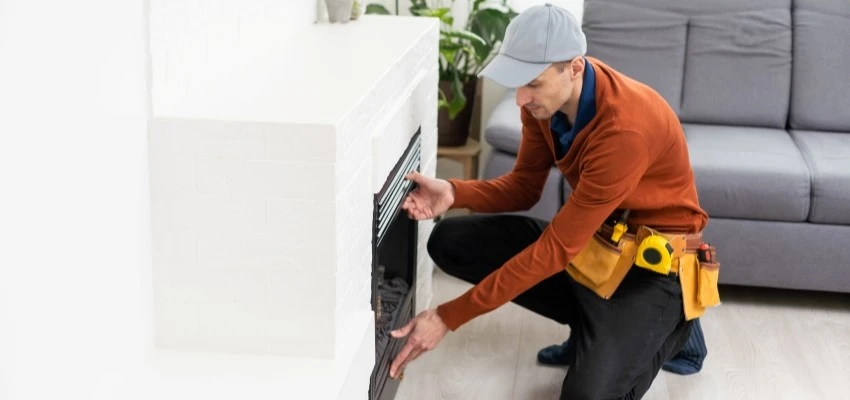
Ready for the season with Fireplace Experts in West Vancouver
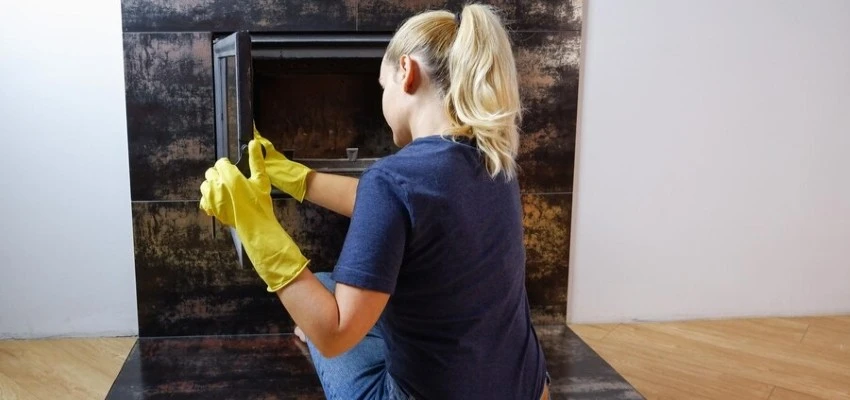
Control area vacuumed during Gas Fireplace Cleaning
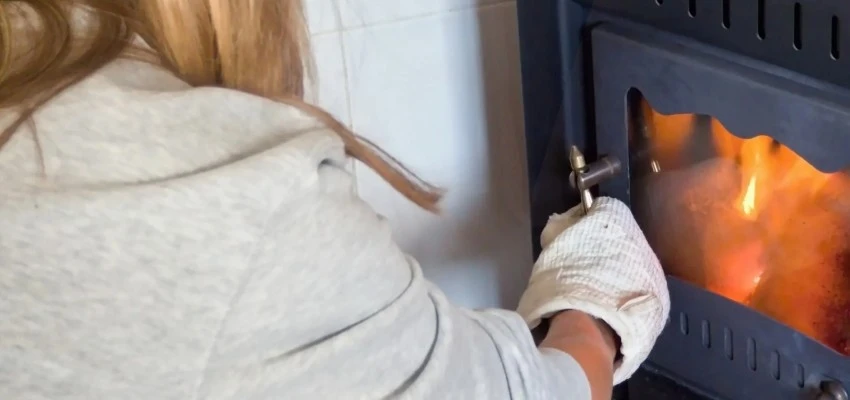
Catch a weak thermocouple early with Gas Fireplace Maintenance