Some of the most useful chimney conversations happen after the tools are packed, when the owner finally asks what they have always wondered. This page puts those questions up front. If you searched for “chimney blockage removal” in West Vancouver, you will find how chimney blockage clearing is usually approached, what differs from one flue to the next and where your own observations can help the technician do a more thorough job.
An unswept flue slowly narrows and fills with fuel for a chimney fire, and stopping that is the short version of why we sweep. On the job, the deposits we pull out range from light, dusty soot to crusty flakes and shiny, hardened tar. Each layer makes the next one easier to form, because a rough, narrowed flue cools smoke faster. A neglected chimney also hides its own damage, since nobody can see a cracked tile or a gap in the mortar through a thick coat of buildup. Clearing it is what lets us tell an owner in West Vancouver whether the fireplace or stove is ready to use.
Most chimney blockages come from nests, wind-blown leaves and twigs, creosote that has flaked off and piled up, or pieces of brick and flue tile that have broken loose, and they show up as smoke spilling into the room and fires that will not draw. You may also see debris dropping onto the grate, smell soot when nothing is burning or hear a CO alarm if a gas appliance shares the flue. A missing or damaged cap makes all of this more likely. Stop using every appliance connected to that chimney until it has been checked, since a blocked flue sends smoke and carbon monoxide back indoors.
We clear a blockage by identifying the material and its position first, then removing it in a way that protects the liner. A camera usually answers both questions. Soft nests and leaves can be pulled down with grabbing tools or brushed through, while a plug of creosote flakes might need a rotary head to break it into pieces our vacuum can handle. Broken tile and brick are trickier: forcing them down can scrape or crack the liner, so we often lift them out from above. After the flue is open, we run the camera again to check for damage and to see whether the blockage was a symptom of something bigger.
Often it is, but not always. Leaves, loose debris and an empty nest can usually be removed in a single trip, with a sweep and camera check at the end. A blockage made of collapsed flue tiles or bricks is a sign of damage, so the debris comes out on the first visit and the repair is quoted separately. Thick, glazed creosote may need more than one session to break up safely. A company handling your “chimney blockage removal” request should tell you after the first look which of these situations you are dealing with and what the next steps are.
The cost of chimney work depends mostly on how many flues are involved, how easy they are to reach and how much each one needs. A single fireplace flue on a low roof costs less than a tall chimney on a steep roof or a building with several flues. Stoves and inserts that must be disconnected take longer. Heavy or glazed creosote, a blockage or an animal problem adds time and sometimes a return visit. Camera inspections, written reports, caps and repairs are often priced separately. Ask for a written quote that lists what is included so you can compare companies fairly.

Leave the fireplace or stove unused until the chimney is cleared, because even a partly blocked flue cannot carry away all the smoke and carbon monoxide a fire produces. Some smoke may still rise, which makes a partial blockage easy to underestimate. Close the damper and any glass doors, and if a furnace or water heater shares the chimney, mention it right away when you call. Keep CO alarms working on every level. If anyone in the household needs extra heat in the meantime, use a safe alternative rather than the blocked appliance.
A cleared flue shows itself in a few simple ways. The technician should be able to show you an open flue on camera from bottom to top, or at least a clear view of daylight from below on a straight chimney. When the fireplace or stove is next used, the fire should catch quickly and smoke should rise without drifting into the room. Any appliance sharing the chimney should run normally with CO alarms staying quiet. If smoke, odor or weak draft returns after chimney blockage clearing, ask for a second look, since part of the obstruction may have settled higher up.
Any home with a fireplace, wood stove or gas appliance should have working carbon monoxide alarms on every level and near sleeping areas, along with smoke alarms. Carbon monoxide has no color or smell, so an alarm is the only dependable warning if a blocked or damaged flue pushes exhaust back indoors. Test alarms monthly, change batteries as the maker suggests and replace the units when they reach the end of their stated life. If a CO alarm sounds, get everyone outside and call the fire department from outdoors. Do not go back in until you are told it is safe.
Look for a company whose technicians explain what they are doing as they do it; in our experience, that habit says more than any advertisement. Good chimney work is mostly visible only to the person on the roof, so the way a company shares photos, measurements and findings is your window into its standards. Ask how it protects floors and furniture, whether a camera check is included and who will actually come. Notice whether it separates urgent issues from ones that can wait. How a company handles your first phone call tends to match how it will handle your chimney.
A storm, a heat wave or a long cold snap is a good moment to make sure everything at home still works the way it should. If anything about your chimney has changed since the weather turned, a quick check is a sensible next step. Arrange a visit in West Vancouver with Chimney Sweep West Vancouver.
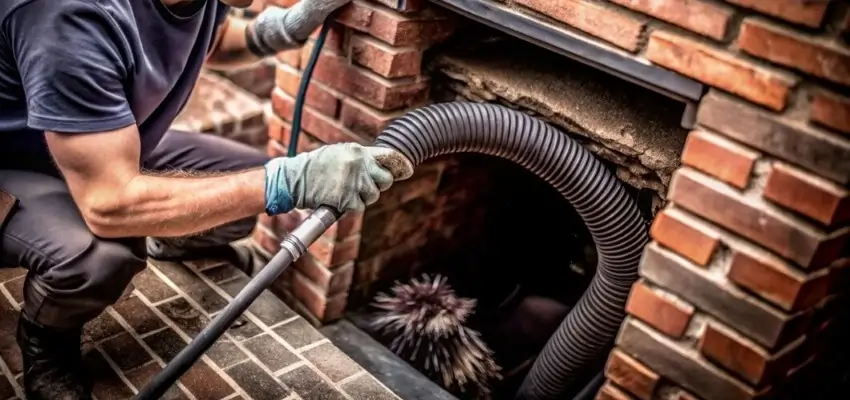
Chimney Cleaning that lifts soot and creosote in West Vancouver
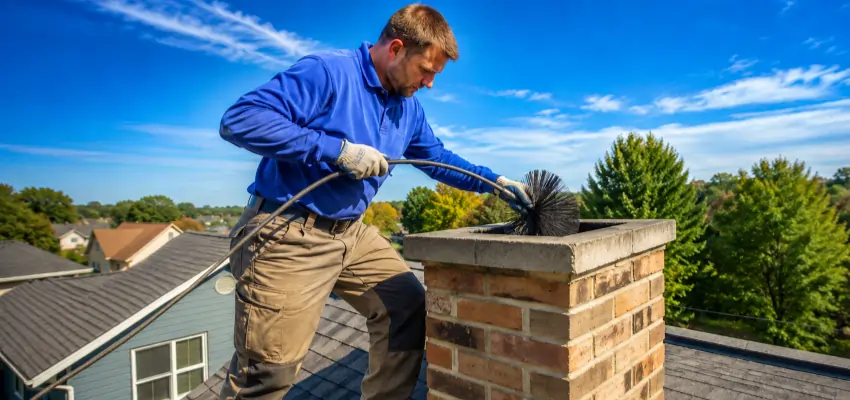
Why West Vancouver homeowners book Chimney Sweep visits yearly
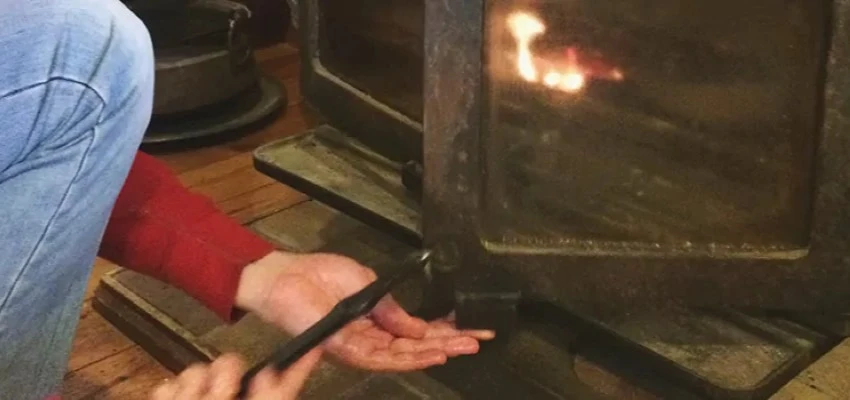
Swept and checked: Chimney Sweep Services in West Vancouver
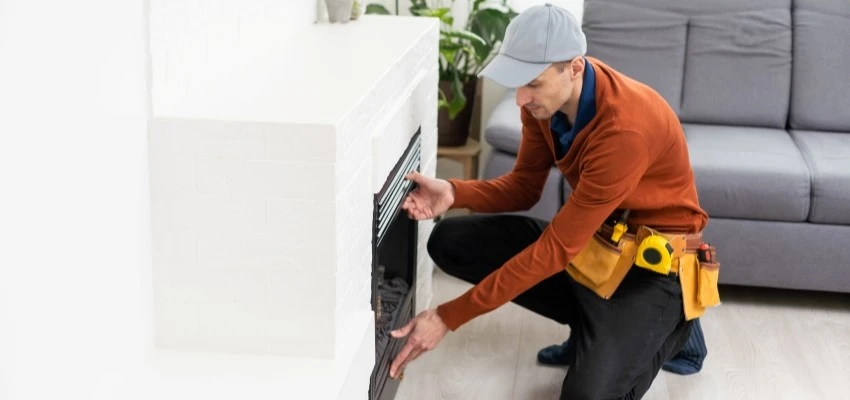
Ready for the season with Fireplace Experts in West Vancouver
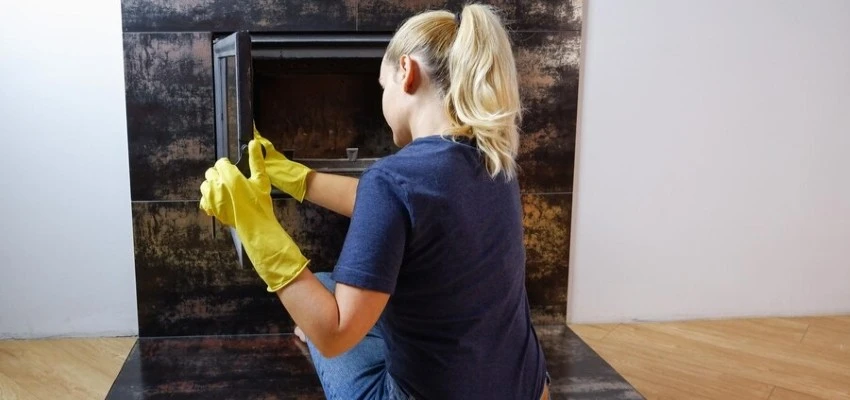
Control area vacuumed during Gas Fireplace Cleaning
Catch a weak thermocouple early with Gas Fireplace Maintenance