
Think of this page as a reference you can come back to. It collects common questions about chimney chase repair from homeowners around West Vancouver and answers each one directly, with the reasoning behind it. Whether you landed here after typing “chimney chase services” or someone who recently had their chimney fixed sent you the link, you should leave with a clearer idea of what needs doing, what can wait and what to ask before any work begins.

A chimney chase is the framed box, usually finished with siding, stucco or stone veneer, that encloses the metal flue of a factory-built fireplace or stove. Unlike a brick chimney, the chase does not carry the smoke; the insulated metal pipe inside does that. The chase hides and protects the pipe and makes it look like part of the house. At the top, a metal chase cover with an opening for the flue keeps rain out. Because it is built like an exterior wall, a chase needs the same care as siding and roofing, plus regular attention to that top cover.
Rot inside a chimney chase almost always starts with water from above. A flat or rusted chase cover lets rain collect and drip down the inside walls, a cracked storm collar lets it run along the flue and gaps in siding or trim near the top let wind-driven rain in from the sides. Once the framing stays damp, wood softens and siding begins to bulge or stain. Leaks around the roof line can add to it. Anyone looking up “chimney chase services” after spotting swollen trim or dark streaks should have the top of the chase opened and probed, since rot is often worse inside than it appears.
The most common signs show up as water, debris or poor performance. Watch for:
Outside, look for white staining on the bricks, gaps in mortar joints and a cap or flashing that looks loose. Any one of these is worth a closer look by someone who can reach the chimney safely.
A chimney repair visit normally starts with an inspection to confirm the problem and check for anything related. The technician protects the area around the fireplace and, for exterior work, sets up ladders or roof anchors. Then the damaged part is removed or prepared, whether that means grinding out mortar, cutting away old sealant, unbolting a cap or opening a damper assembly. New materials go in, and the work is checked for fit and weathertightness. At the end you should see the finished work or photos of it and hear about anything else that turned up along the way.
Often, yes. If the framing is still solid, damaged siding panels, trim boards and corner pieces can be replaced on their own, matched as closely as possible to the rest of the house. The key is fixing whatever let water in, usually the cover or collar at the top, and then checking the sheathing behind the damaged area. Where framing members have rotted through, those sections are rebuilt before new siding goes on. Heat shields and clearances around the factory-built flue must stay as the manufacturer intended. A good chimney chase repair plan describes each layer being replaced, not just the visible finish.

We suggest once a year for most chimneys, with extra visits after anything unusual. A yearly look from the roof and up the flue shows us how earlier repairs are holding and whether anything new has appeared. Events that justify an extra check include a strong windstorm, hail, a lightning strike nearby, a roofer working around the chimney and any time an appliance is added or swapped. A chimney you never use is not exempt; some of the worst weather damage we find is on chimneys nobody has looked at in years, simply because no one noticed the warning signs inside.
The cost of chimney repair depends mostly on the part being fixed, how much damage there is and how hard the chimney is to reach. A tall chimney on a steep roof needs more equipment and time than a short one on a gentle slope. Materials vary too: stainless steel, copper and custom-sized parts cost more than standard ones, and masonry work depends on how many joints or bricks are involved. Hidden damage found once work begins, such as rotted framing under a chase cover, can add to the total. A written quote that spells out the scope makes comparisons easier.
Preparing for chimney repair mostly means clearing access inside and out. Stop using the fireplace or stove at least a day before so the firebox and flue are cool, and move decorations, screens, tools and furniture away from the hearth. Outside, move vehicles, patio furniture, planters and grills away from the side of the house where ladders will go, and unlock any gates. Let the company know about pets, an alarm system or anything fragile near the chimney. If the job involves the attic or basement, such as tracing a leak or emptying an ash pit, clear a path there too.
A few direct questions reveal a lot about a chimney repair contractor:
Clear, specific answers are a good sign. If the replies stay vague or the price changes without explanation, it is reasonable to get another opinion before agreeing to the work.

Parts of a home that have been in place for decades, from chimneys to ductwork, often hide earlier fixes and pieces that are no longer made. We check what is really there first, then talk through realistic options with you. Ask about chimney chase repair for your setup in West Vancouver.
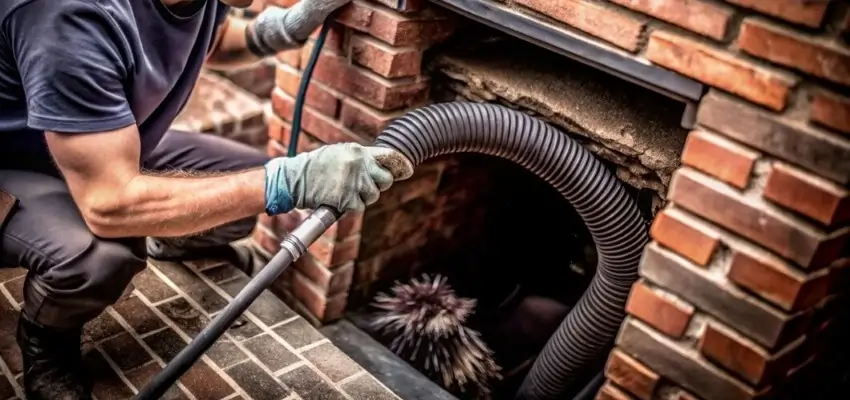
Chimney Cleaning that lifts soot and creosote in West Vancouver
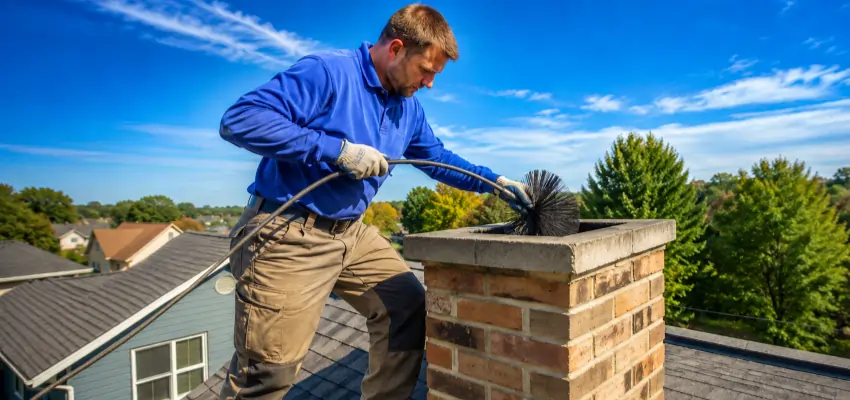
Why West Vancouver homeowners book Chimney Sweep visits yearly
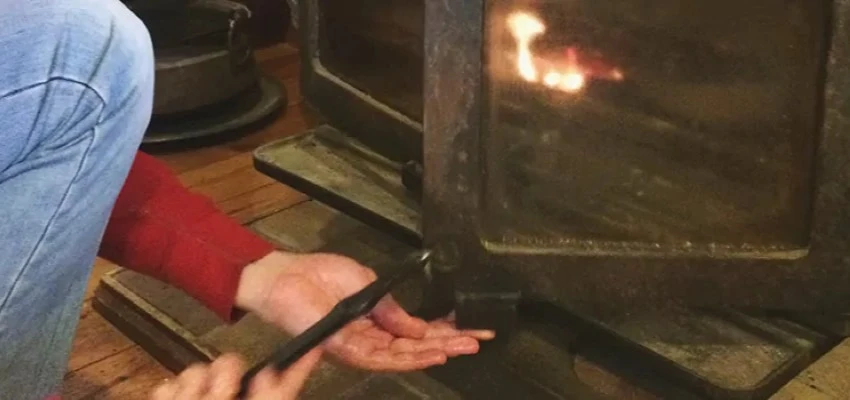
Swept and checked: Chimney Sweep Services in West Vancouver
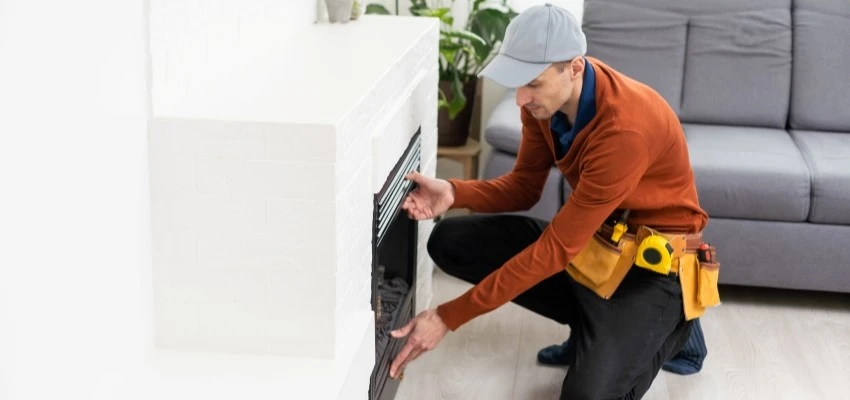
Ready for the season with Fireplace Experts in West Vancouver
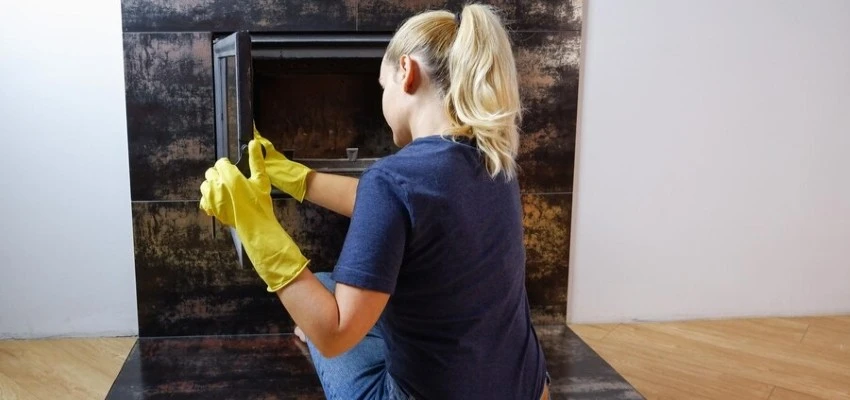
Control area vacuumed during Gas Fireplace Cleaning
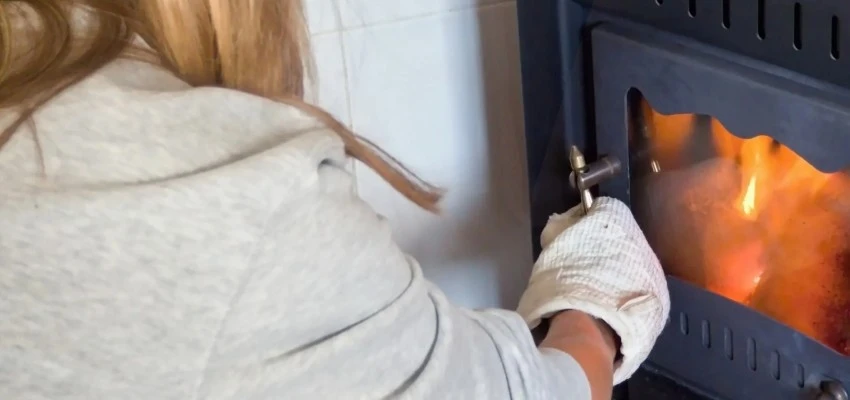
Catch a weak thermocouple early with Gas Fireplace Maintenance

