
Most chimney damage starts small. A hairline crack, a gap in a seal or a sticky part rarely looks urgent, and for a while it may not be. Water and heat are patient, though, and small faults tend to grow. This page is for anyone in West Vancouver who has been searching for “chimney cover replacement” and wants to understand chimney cover installation before a minor issue turns into a major one, with clear answers on signs, process, timing and choosing who does the work.

The crown protects the brick and the cap protects the flue, which is the simplest way to keep them straight. On the roof, the crown is the sloped top surface of the masonry, ideally with an overhang so water drips clear of the chimney walls. The cap is a metal hood with mesh sides, clamped or fastened over the opening. We check them separately, since one can fail while the other looks fine: we often find a shiny new cap sitting on a crown full of cracks. Both deserve attention, and fixing one never covers a problem with the other.
People use the term for a few different parts, so it helps to be specific. On a masonry chimney, a cover usually means the cap over one flue or a full-width cover that shelters the whole top, crown included. On a factory-built chimney, it often means the chase cover, the metal top of the framed box around the flue. All three keep rain and debris out, but they are sized and installed differently. When you ask about “chimney cover replacement”, a photo of the top of the chimney from the yard lets the company confirm which part you mean before anything is ordered.
It depends on the damage, so the safe default is to hold off until someone has looked at it. Cosmetic problems on the outside, such as a stained brick face, rarely affect how a fireplace works. Damage inside the flue, a cracked liner, a damper stuck shut or a blocked vent is different, because smoke and hot gases may not leave the house the way they should. If you notice smoke spilling into the room, a strong smell or soot where there was none before, stop using the fireplace. Keep working carbon monoxide alarms on every level of the home either way.
The most common signs show up as water, debris or poor performance. Watch for:
Outside, look for white staining on the bricks, gaps in mortar joints and a cap or flashing that looks loose. Any one of these is worth a closer look by someone who can reach the chimney safely.
The main choices are stainless steel, copper and galvanized steel, in single-flue or full-width designs, and we pick based on the chimney rather than the catalog. First we measure the flue tile or crown, count the flues and check whether the tile stands tall enough to clamp to. We also note what the chimney serves, since some stoves and gas appliances call for specific cap designs. Stainless is our everyday answer, copper suits homes where looks matter, and low-cost galvanized caps rarely last as long. Fitting means fastening the cap firmly, checking the mesh is clear and making sure it sits square.

Labor, access and materials drive the price, roughly in that order. Labor depends on the size of the repair and whether it can be finished in one visit or needs curing time between stages. Access covers roof height, pitch and anything that makes ladder setup awkward, such as a deck or steep slope below the chimney. Materials range from a tube of sealant to a custom stainless chase cover or a full liner kit. We also leave room in the conversation for surprises, because opening a chimney sometimes reveals more. Our quotes list each part of the work separately, so you can see where the money goes.
For the first few storms, check the places where water used to show up: the ceiling near the chimney, the firebox floor, the damper and the siding below a chase. They should stay dry. From the yard, the cover should look level and tight, without gaps along the edges. Listen for any rattle on windy days, which suggests a loose fastener. If you burn wood, have the mesh looked at during the yearly sweep so it does not clog. Homeowners who just finished a “chimney cover replacement” project should keep the receipt with the material and size noted for future reference.
Most chimney repairs are not do-it-yourself jobs, mainly because they involve working at height on a roof or inside the flue, where mistakes affect safety. What homeowners can do safely is watch and report: look at the chimney from the ground with binoculars, check the attic and walls near the chimney for stains after rain, keep the hearth area clear and open and close the damper now and then to make sure it moves freely. Leave masonry, flashing, caps, liners, fans and anything connected to a gas appliance to a professional. Patching with roofing tar usually hides a problem rather than fixing it.
Local crews know the chimneys in the area, and that knowledge saves time and guesswork. Working the same streets season after season, we learn which subdivisions have tall chimneys on steep roofs, which builders used flat chase covers that rust and which older districts still have original clay liners. That history makes the first diagnosis faster and quotes more accurate. Being close by also means we can come back to check a repair after heavy rain without it becoming a major trip. When you call Chimney Sweep West Vancouver, you reach people who work on chimneys around West Vancouver every week.

We work in the neighborhoods around West Vancouver every week, so we know the housing styles and the problems they tend to have. That local experience shapes every visit. Schedule chimney cover installation with Chimney Sweep West Vancouver at a time that suits you.
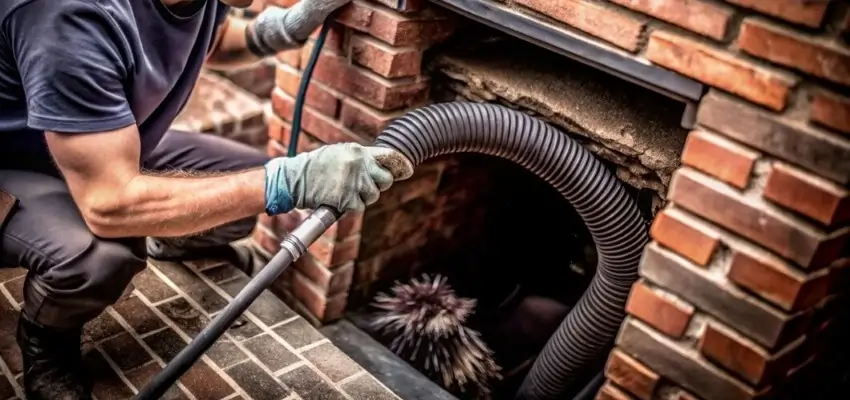
Chimney Cleaning that lifts soot and creosote in West Vancouver
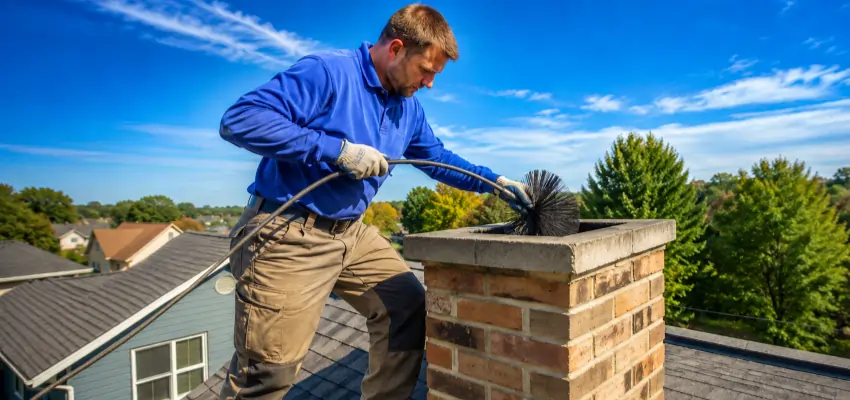
Why West Vancouver homeowners book Chimney Sweep visits yearly
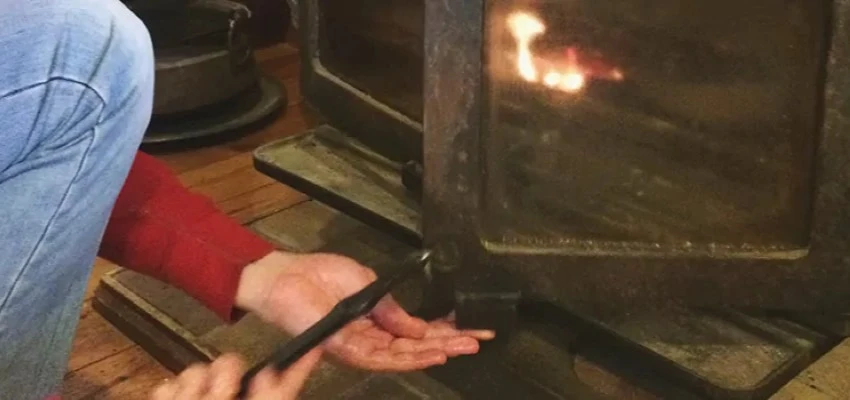
Swept and checked: Chimney Sweep Services in West Vancouver
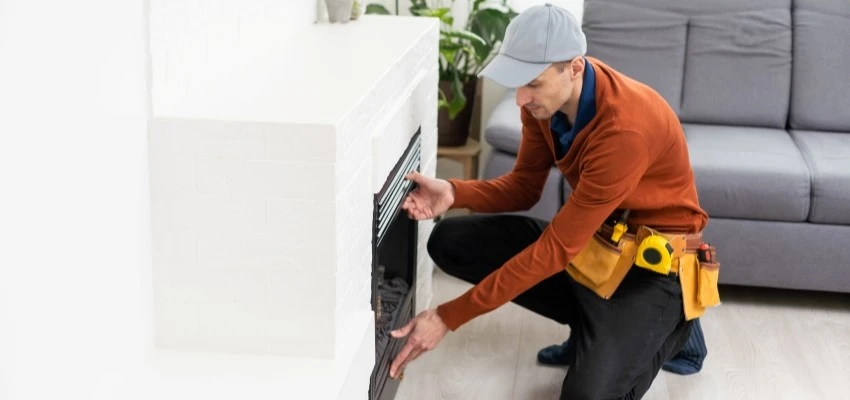
Ready for the season with Fireplace Experts in West Vancouver
Control area vacuumed during Gas Fireplace Cleaning
Catch a weak thermocouple early with Gas Fireplace Maintenance

