
Chimney problems are hard to judge from the ground, and climbing up for a closer look is not something we recommend. A clear explanation is the safer first step. This page covers what people in West Vancouver usually want to know after a search for “chimney cover services”: what tends to go wrong, what a repair visit involves, what affects the price and how to tell a careful company from a hasty one. It is written to help you understand chimney cover service, not to push you into it.

Repairs matter because chimneys tend to fail slowly at first and then expensively. We regularly open up a chimney where a minor issue, such as a missing cap or one cracked mortar joint, was left alone for a few seasons. By then, water has soaked the bricks, rusted the damper or softened the wood framing beside the stack. Work at that stage takes longer and uses far more material. Catching the same fault early usually means a short visit and a modest bill. There is a safety side too, because a damaged flue or liner can let heat and smoke escape where nobody expects them.
Your chimney is most likely leaking at the crown, the flashing, the cap or through porous brick, though the stain rarely appears where the water gets in. Rain that slips past a cracked crown may travel down inside the masonry and show up at the firebox. Flashing leaks tend to stain the ceiling or the attic framing next to the chimney. An uncapped flue lets rain fall straight onto the damper, where it causes rust and a damp smell. Porous brick can wick moisture through the whole stack during long storms. We often test one area at a time with a hose, starting low and working up, so the repair targets the real entry point rather than a guess.
A chimney cap should be replaced when it is rusted through, bent, loose or missing pieces, or when its mesh is torn. Signs from inside the house include rain or debris falling into the firebox, birds or animals in the flue and a rusty damper. From the ground you may see a cap that sits crooked, rust streaks running down the crown or no cap at all after a windstorm. Galvanized caps tend to rust sooner than stainless steel or copper ones. A cap whose mesh is only clogged with soot may just need cleaning, but damaged metal should be replaced.
A full-width cover, sometimes called a multi-flue cap, is a single metal hood that sits over the entire top of a chimney rather than one flue. It is fastened to the crown or the outer bricks and has mesh sides all around. It makes sense when a chimney has several flues close together, when individual tiles are too short or damaged to clamp a cap to, or when the crown needs shelter from direct rain. It does not replace crown repair, though. If you are considering one through “chimney cover services”, ask how it will be anchored and whether the flues keep enough clearance below the hood.
A chimney repair visit normally starts with an inspection to confirm the problem and check for anything related. The technician protects the area around the fireplace and, for exterior work, sets up ladders or roof anchors. Then the damaged part is removed or prepared, whether that means grinding out mortar, cutting away old sealant, unbolting a cap or opening a damper assembly. New materials go in, and the work is checked for fit and weathertightness. At the end you should see the finished work or photos of it and hear about anything else that turned up along the way.

Small chimney repairs, such as replacing a cap, sealing a crown or freeing a damper, often take a few hours. Mid-sized jobs like new flashing, a new chase cover or a fan installation usually fit into a day. Larger masonry work, including repointing an entire stack or rebuilding the section above the roof, can take several days, because mortar and concrete need time to set between stages. Weather adds to the schedule for anything done outside, since rain and cold delay masonry. Ask for an estimate of both working time and total calendar time before the job is booked.
Usually, yes. A cover fastened to a crumbling or badly cracked crown may not stay secure, and sealing the crown is easier before the cover is in the way. Minor hairline cracks can often be sealed the same visit, just before installation. A crown that is broken through may need rebuilding first, with the cover fitted once the new surface has cured. Ask the company to check the crown during the quote visit so both jobs can be planned together. People researching “chimney cover services” are often surprised that the crown matters as much as the cover, but the two work as one unit.
When booking chimney repair, describe what you have noticed and where, because those details shape the visit. Mention whether the chimney is brick, stone or a factory-built system in a framed chase, what it serves, such as a wood fireplace, gas fireplace, stove or furnace, and roughly how tall the house is. Say when the problem started, whether it gets worse with rain or wind and whether anything has been repaired before. Pictures of the chimney from the ground and of any stains or damage inside help the company bring the right parts and give a realistic time estimate.
The repairs we make hold up longest when the rest of the chimney system is looked after too. That means a cap that stays in place with clear mesh, a crown kept free of leaves and moss, flashing left alone by anyone doing roof work and regular sweeping if you burn wood, because creosote and moisture attack the inside of the flue. We tell homeowners exactly how long to wait before the first fire after masonry work. After that, a glance at the chimney from the yard after big storms and a professional look once a year usually keeps surprises to a minimum.

When you call, you speak with people who know the work and can answer practical questions about your chimney. Reach Chimney Sweep West Vancouver at (778) 719-4326 and we will help you decide on the next step for your home in West Vancouver.
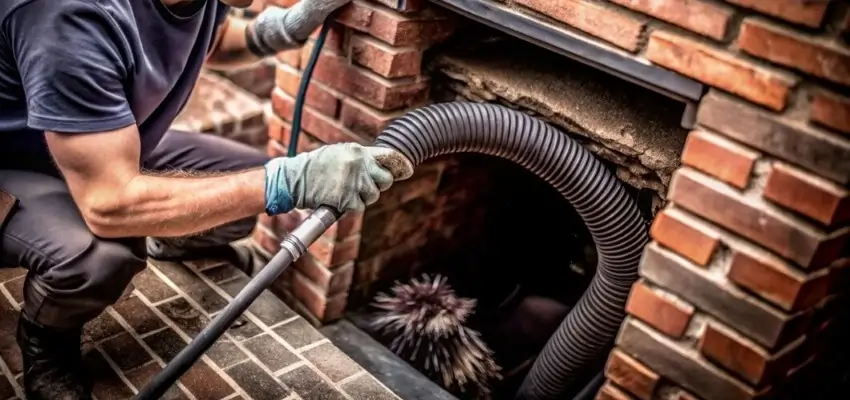
Chimney Cleaning that lifts soot and creosote in West Vancouver
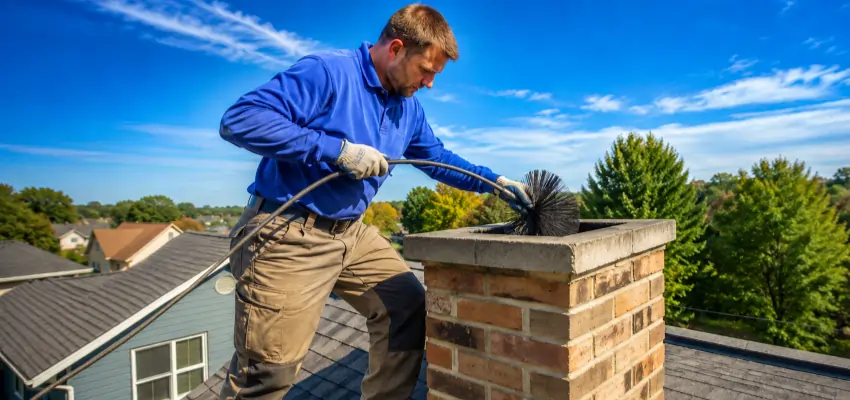
Why West Vancouver homeowners book Chimney Sweep visits yearly
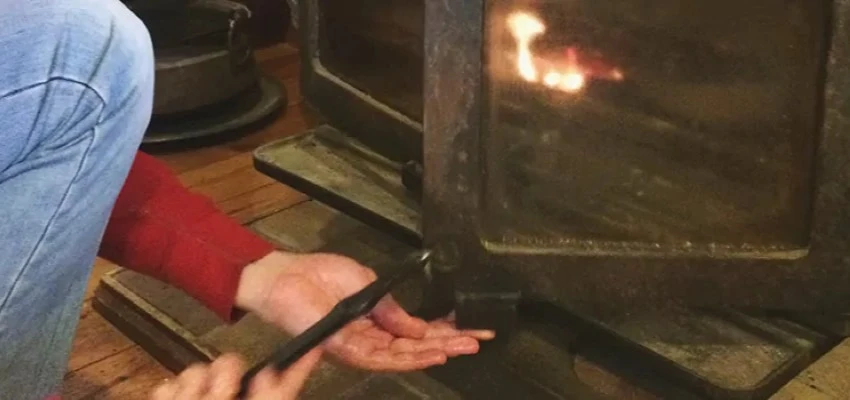
Swept and checked: Chimney Sweep Services in West Vancouver
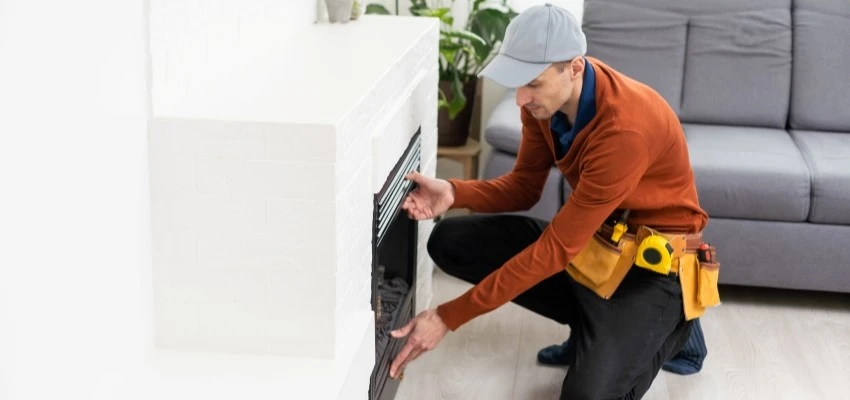
Ready for the season with Fireplace Experts in West Vancouver
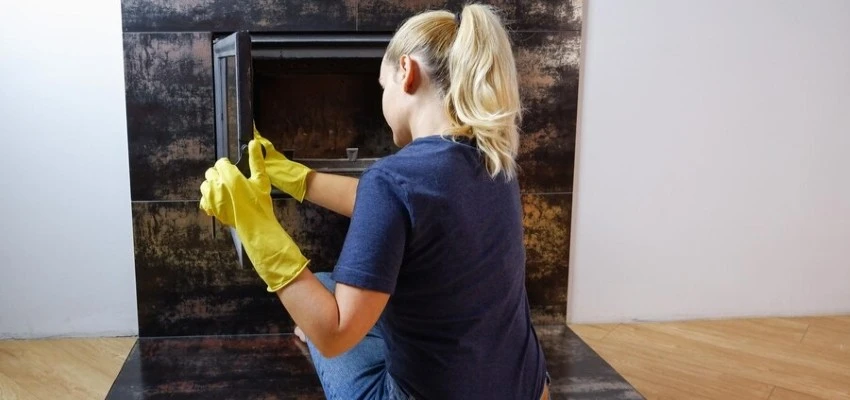
Control area vacuumed during Gas Fireplace Cleaning
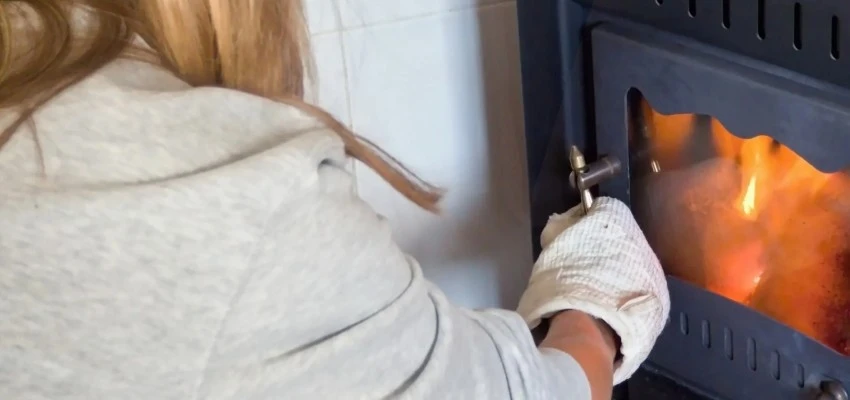
Catch a weak thermocouple early with Gas Fireplace Maintenance

