
Buying a home, getting ready to sell or simply planning the year’s upkeep can all bring the chimney into focus. An inspection report might mention it, or a neighbor might point out something odd on the roof. People in West Vancouver who search for “chimney crown services” at moments like these want straight facts, and that is what this page offers: a calm, practical look at chimney crown repair, what it involves and how to plan for it sensibly.

A sound crown is a solid slab of concrete or a purpose-made crown mix, not a thin layer of brick mortar, and it slopes away from the flue so water runs off quickly. Its edges extend slightly beyond the brick on every side, with a drip groove underneath so water falls clear instead of running down the face of the chimney. Around the flue tile there is usually a small gap filled with flexible sealant. The surface should be free of cracks and crumbling spots. If you are comparing options for “chimney crown services”, ask whether a new crown will be built with an overhang and a drip edge.
Repairs matter because chimneys tend to fail slowly at first and then expensively. We regularly open up a chimney where a minor issue, such as a missing cap or one cracked mortar joint, was left alone for a few seasons. By then, water has soaked the bricks, rusted the damper or softened the wood framing beside the stack. Work at that stage takes longer and uses far more material. Catching the same fault early usually means a short visit and a modest bill. There is a safety side too, because a damaged flue or liner can let heat and smoke escape where nobody expects them.
Stains, debris and stiff moving parts inside the house are usually the first signs, long before anything looks wrong from the yard. A water mark on the ceiling beside the chimney, a musty smell when it rains, flakes of tile or mortar in the firebox and a damper that has gone stiff all point to something above. Outside, white chalky deposits on brick tell us water is moving through the masonry, and dark streaks below the cap or chase cover suggest rust. Smoke that hangs at the fireplace opening points to a draft problem. We trace each clue back to its source before suggesting any repair.
Use binoculars or a phone camera zoomed in from a safe spot in the yard or at a window. Look for cracks across the top surface, chunks missing from the edges, dark staining or white deposits on the top courses of brick and moss or plants growing on the crown. Pieces of concrete in the gutter or on the roof below the chimney are another clue. Inside, rust on the damper or water in the firebox can point to the crown as well. Homeowners who start searching for “chimney crown services” after spotting any of these should stay off the roof and let a technician confirm the damage.
It depends on the part being repaired. Caps, crowns, flashing, upper masonry, chase covers, chimney fans and top-sealing dampers are reached from the roof or from ladders set against the chimney. Throat dampers, fireboxes, ash dumps, cleanout doors and many vent connections are handled from inside the house or at ground level. Roof work is planned around the weather, the pitch of the roof and safe ladder placement. Homeowners should not climb up to inspect or repair a chimney themselves; binoculars from the yard or the technician’s photos will tell you what you need to know.

A common guideline is to have a chimney inspected once a year, and many homeowners schedule it before the colder months when the fireplace sees more use. Yearly checks catch small problems such as a loosening cap, a new crack in the crown or a worn mortar joint before they let water in. It also makes sense to have the chimney looked at after a major storm, a chimney fire, a roof replacement or any change of insert, stove or appliance. Chimneys that are rarely used still need checking, because weather damages them whether or not you light fires.
Mention what the chimney is made of, what it serves and what you have noticed, because a few details on the phone save a lot of time on the roof. We ask which appliances use the flue, how many stories the house has and how steep the roof is. We ask what you have seen: a stain, debris in the firebox, a stuck handle, a rattling cap, smoke in the room. We ask when it started and whether a roofer or another contractor worked nearby recently. Two quick phone snapshots, one of the chimney top from the yard and one of the problem area inside, often tell us which parts and ladders to bring on the first trip.
Mostly no: the useful homeowner jobs happen on the ground, not on the roof. Spotting problems early is genuinely valuable, whether that means snapping photos of the chimney top after storms, shining a flashlight at the damper or keeping an eye on the ceiling near the fireplace. Where DIY goes wrong is up top. We regularly undo store-bought sealants smeared over cracks, caps held on with a single screw and mortar patches that trap water. Liner work, flue repairs and gas appliance venting have safety consequences inside the home, so those belong with trained technicians from start to finish.
Pick the company that gives you specifics. One that knows chimneys asks what yours is made of and what burns in it before giving a figure, and it talks about the cause of a problem rather than just the symptom. On site, it should take photos from the roof and inside the flue, lay out the options and let you decide without pressure. Tidy work matters, since soot and mortar dust travel. Ask how follow-up questions are handled once the job is done, and whether the same crew will come back if something needs a second look.

That is a smart move. Ask each company what is included, how long the visit takes and what you will be shown afterward. We are happy to answer those questions in writing. Request a detailed quote from Chimney Sweep West Vancouver for your home in West Vancouver.
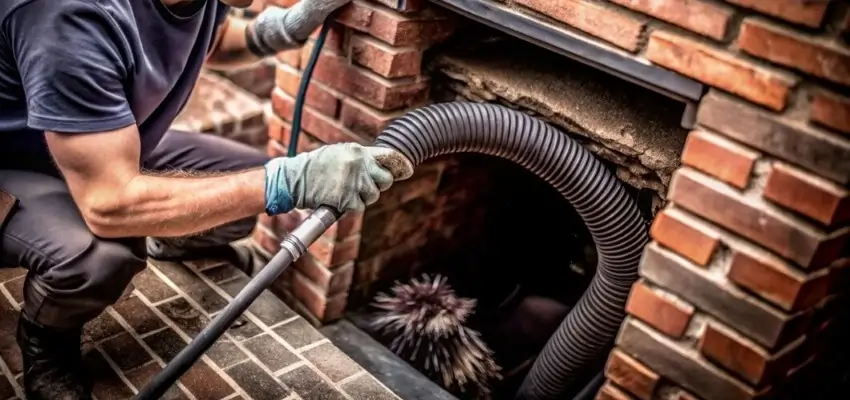
Chimney Cleaning that lifts soot and creosote in West Vancouver
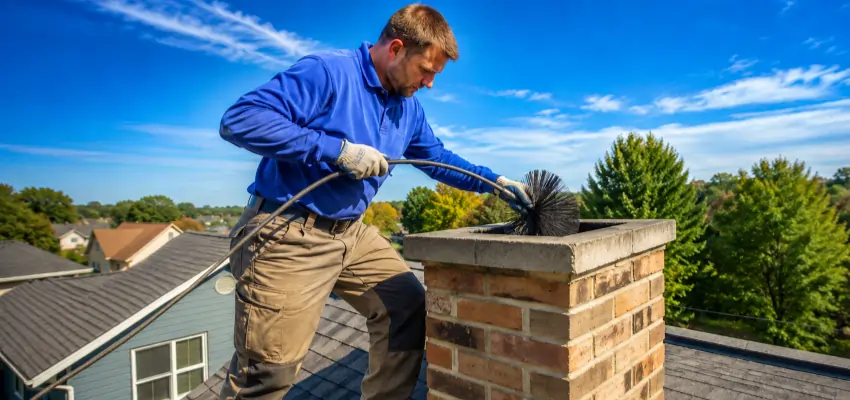
Why West Vancouver homeowners book Chimney Sweep visits yearly
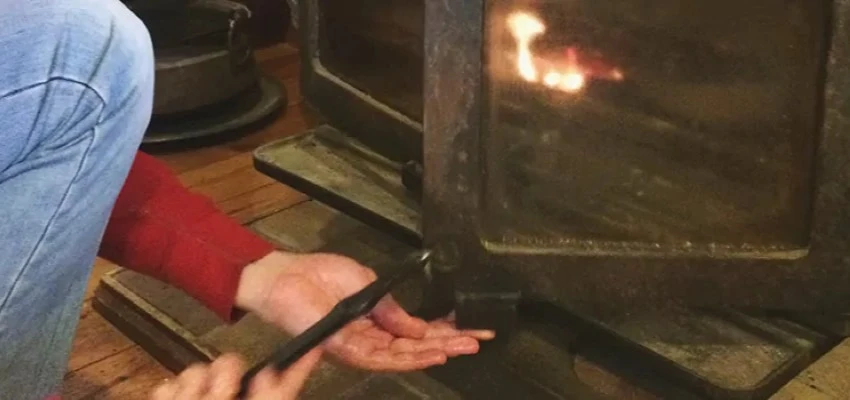
Swept and checked: Chimney Sweep Services in West Vancouver
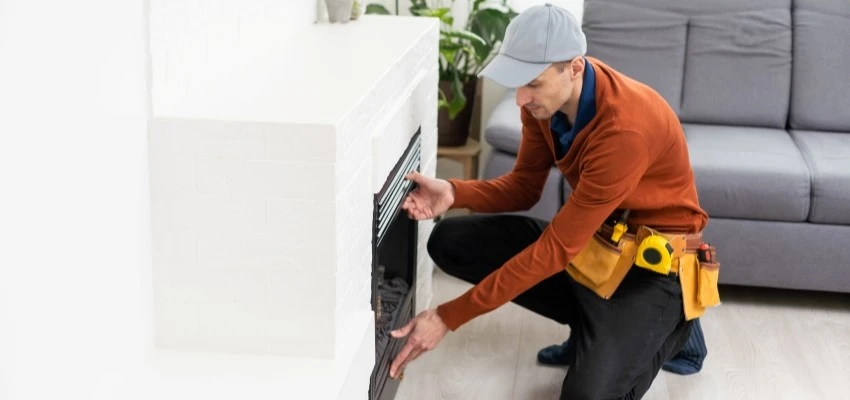
Ready for the season with Fireplace Experts in West Vancouver
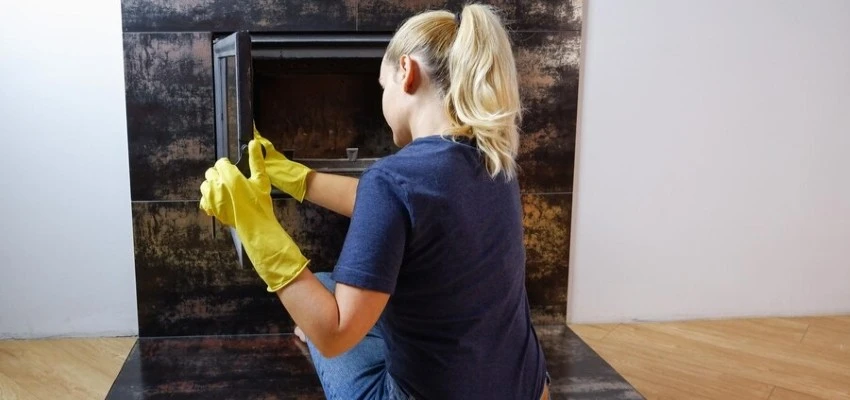
Control area vacuumed during Gas Fireplace Cleaning
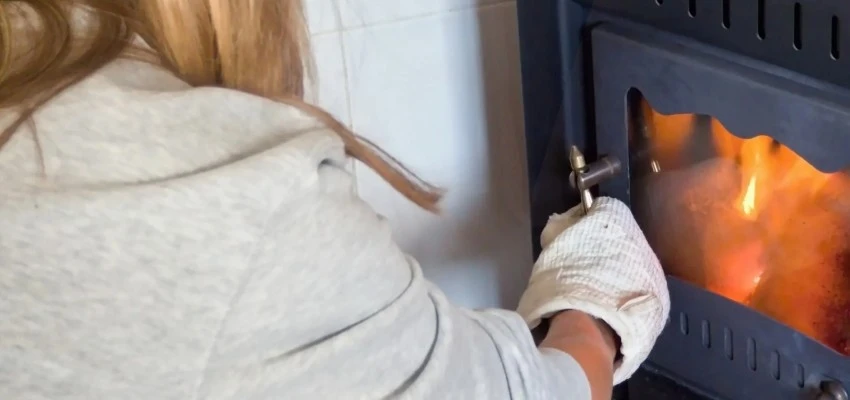
Catch a weak thermocouple early with Gas Fireplace Maintenance

