
Plenty of people only think about their chimney when the first cool evening arrives and they want a fire. Others notice a problem in spring after a wet stretch of weather. Either way, a search for “chimney flashing” usually starts with a simple question: does this need fixing now? Here you will find practical answers about flashing repair for homes in West Vancouver, including what the work involves, how long it takes and how to keep the chimney sound afterward.

They are two layers of the same seal. Step flashing is made of short, L-shaped pieces of metal tucked under each course of shingles along the sides of the chimney, so every piece overlaps the one below like the shingles themselves. Counter flashing is fastened into the mortar joints of the chimney and folds down over the step flashing, covering its top edge. Together they let the roof and the chimney move independently without opening a gap. If one layer is missing, water finds its way in. Asking about both is a good test of any company you contact about “chimney flashing”.
It depends on the damage, so the safe default is to hold off until someone has looked at it. Cosmetic problems on the outside, such as a stained brick face, rarely affect how a fireplace works. Damage inside the flue, a cracked liner, a damper stuck shut or a blocked vent is different, because smoke and hot gases may not leave the house the way they should. If you notice smoke spilling into the room, a strong smell or soot where there was none before, stop using the fireplace. Keep working carbon monoxide alarms on every level of the home either way.
Bad chimney flashing usually shows up as water stains on the ceiling or walls next to the chimney, damp attic framing or wet insulation around the chimney’s base. Flashing is the metal that seals the joint between the roof and the chimney, and it fails when sealant dries out, fasteners back out, metal rusts or roofing work disturbs it. From the ground, look for metal that has pulled away from the brick, gaps smeared with a thick bead of tar or caulk and missing or lifted shingles around the chimney. Leaks often appear first during heavy, wind-driven rain.
Not every repair needs the roof, and when one does, we plan safe access before we arrive. Work at the top of the stack means ladders, roof brackets or harnesses tied to a secure anchor, plus soft-soled footwear and pads to protect shingles. Steep or high roofs may call for extra equipment or a second technician. Wet, icy or very windy weather puts roof work on hold, because no repair is worth a fall. Jobs at the bottom of the chimney, such as an ash dump, a throat damper or a stove connection, keep us indoors, where the main concern is protecting floors and furniture from soot and dust.
The most common materials are aluminum, galvanized steel, stainless steel and copper, with lead sometimes used for parts shaped around brick. Aluminum is light and easy to bend but should not sit against fresh mortar or concrete without a protective coating, since the alkaline mix can corrode it. Galvanized steel is strong but eventually rusts. Copper and stainless last a long time and suit higher-end roofs. Whatever the choice, the metal should be compatible with the roofing and with any other metal it touches. Ask which material your flashing repair quote includes and why it was chosen.

Anything from a morning to several days, depending on the part, the access and the material. A damper repair or cap swap rarely keeps us past lunch. Flashing and chase covers depend on the roof, so a steep pitch or fragile shingles add hours. Masonry is the slow one, not because the work itself drags but because mortar and crown concrete need dry, mild weather and time to firm up between steps. A full rebuild above the roofline can stretch over several visits. When we quote, we give you a working estimate and tell you plainly what could push it longer, such as hidden damage.
We suggest once a year for most chimneys, with extra visits after anything unusual. A yearly look from the roof and up the flue shows us how earlier repairs are holding and whether anything new has appeared. Events that justify an extra check include a strong windstorm, hail, a lightning strike nearby, a roofer working around the chimney and any time an appliance is added or swapped. A chimney you never use is not exempt; some of the worst weather damage we find is on chimneys nobody has looked at in years, simply because no one noticed the warning signs inside.
Choose a chimney repair company that inspects before it quotes, explains the cause of the problem and shows you evidence such as photos. A good company will tell you what it plans to fix, what materials it will use and what the work will not cover. Ask whether its own crew does the work, how it protects your home and roof and how it handles hidden damage found mid-job. Read recent reviews for comments about communication and clean-up. Be cautious about anyone who wants a large rebuild without showing why, or who only offers to coat everything with sealant.
A local company is often the practical choice because it knows the housing styles, roof types and weather your chimney deals with. Builders in the same area often used similar chimney designs, so a nearby crew may already know where yours is likely to fail. Local service also makes it easier to schedule follow-up visits, check a repair after the first big storm or answer a question months later. Before booking, confirm the company works in your area with its own crew, and ask how it handles return visits if something needs adjusting.

The systems that keep a home comfortable tend to work quietly in the background until something goes wrong. A planned visit is a calm way to keep your chimney in good shape. Request a quote from the Chimney Sweep West Vancouver team in West Vancouver.
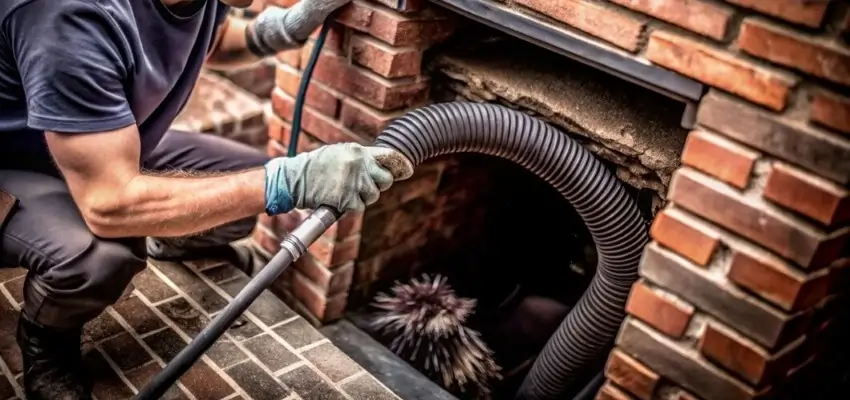
Chimney Cleaning that lifts soot and creosote in West Vancouver
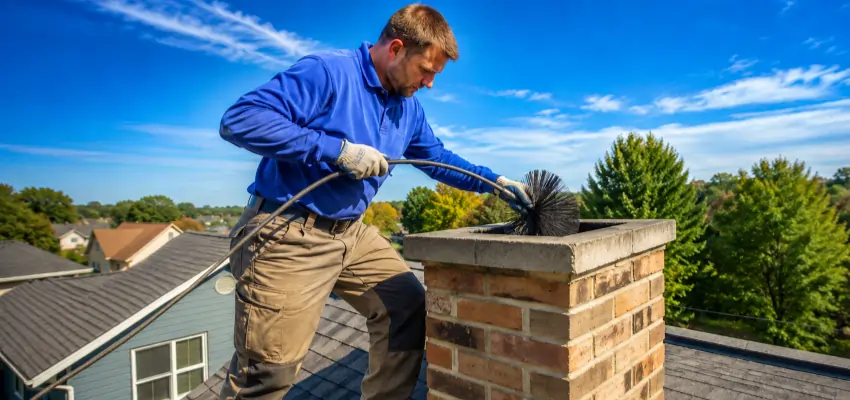
Why West Vancouver homeowners book Chimney Sweep visits yearly
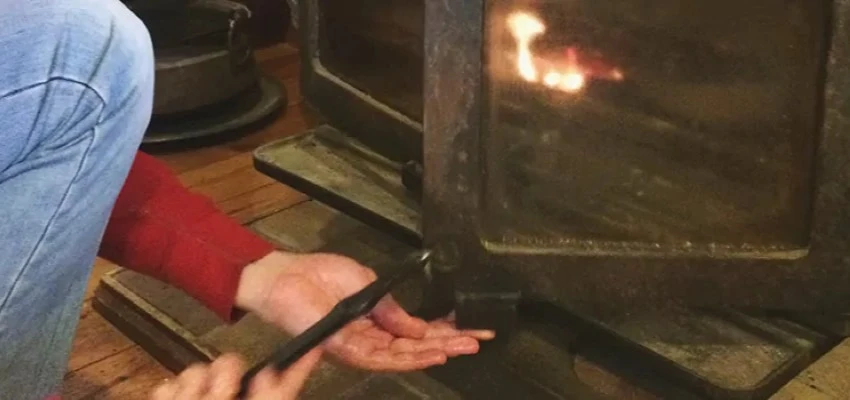
Swept and checked: Chimney Sweep Services in West Vancouver
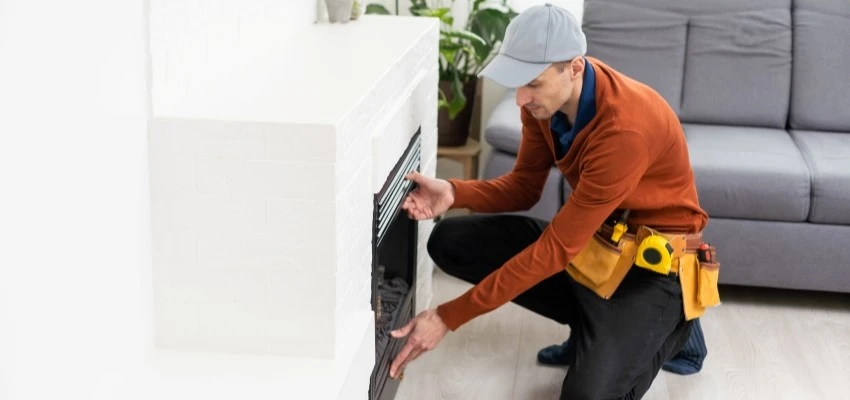
Ready for the season with Fireplace Experts in West Vancouver
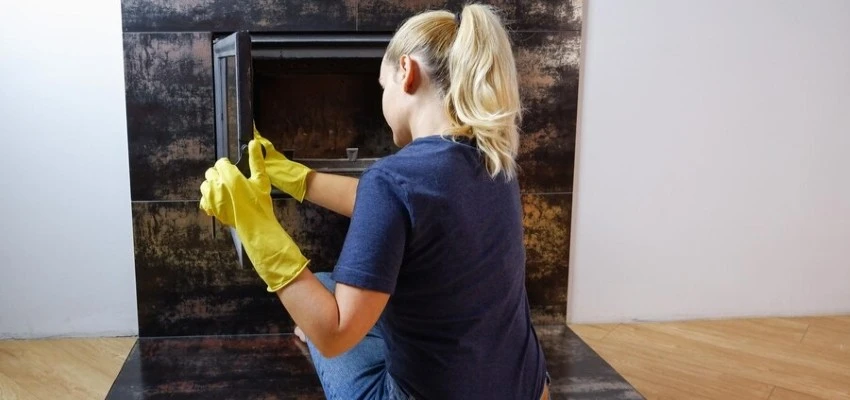
Control area vacuumed during Gas Fireplace Cleaning
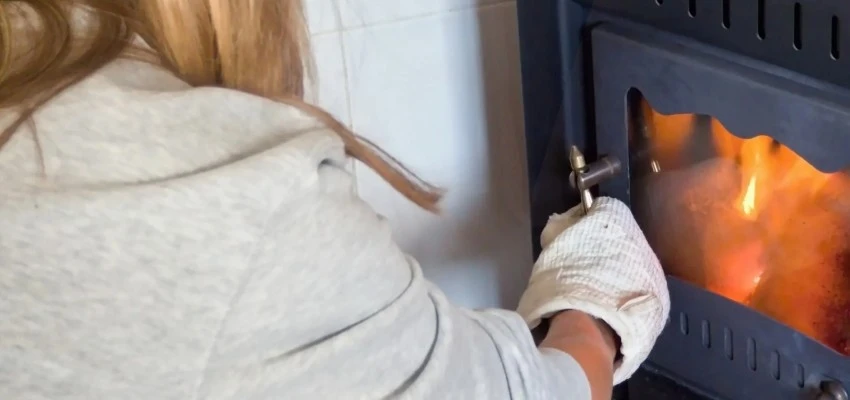
Catch a weak thermocouple early with Gas Fireplace Maintenance

