
From the street, most chimneys look fine. The trouble, when there is any, usually sits inside the flue or at the very top where nobody looks: dark crusts of buildup, a cracked tile, a nest, a cap loosened by the wind. If you found this page by looking up “chimney inspection services”, here is what owners in West Vancouver should know about chimney inspection, explained clearly and without exaggeration so you can decide what your chimney needs.
Soot and creosote are different deposits: soot is a dry, powdery carbon dust, while creosote is a tarry residue from wood smoke that can be flaky, sticky or glassy. Soot comes from incomplete burning and can be left by wood, oil or a gas appliance that is not running cleanly. It is lighter and brushes away easily, but it still narrows the flue and can hold moisture and odors. Creosote is the bigger fire concern because of its oily base. Seen from the firebox, soot looks like fine black powder, while creosote looks crusty, shiny or tar-like. A technician adjusts the cleaning to match.
Gas leaves far less buildup than wood, so a chimney serving only gas needs much less cleaning, but it still needs a regular check. Creosote is rarely the issue. The risks are different: nests, leaves and fallen debris can block the opening, and the water vapor in gas exhaust can wear down masonry and old liners over time. A blocked or damaged flue can push carbon monoxide back indoors, so keep working CO alarms on every level. Leave burners, valves and pilots to a qualified gas technician, and if you ever smell gas, leave the building and call your gas utility from outside.
A dedicated chimney check is worth arranging before you buy, because a general home inspection usually covers only what can be seen from the hearth and the roofline. The inside of the flue, where cracks and gaps hide, often goes unexamined. Ask the seller when the chimney was last swept and whether there were any repairs or past fires. A chimney technician can run a camera through the flue and give you a written summary before your inspection period ends. Finding a damaged liner or crown early gives you room to negotiate or plan a repair instead of discovering it after the first fire.
During a chimney inspection, a technician examines the whole system for damage, buildup and safe operation, then explains what was found. Expect questions first: what you burn, how often and whether you have noticed smoke, smells or leaks. Most of the visit happens at the hearth and on the roof, with a camera sent up the flue to show the parts nobody can see from below. If a deeper inspection was booked, the technician may also ask to look in the attic, crawlspace or basement next to the chimney. You should finish with a clear verdict on whether the fireplace or stove is ready to use, plus photos of any problems.
The depth of the inspection is the biggest factor. A visual check of a single, easy-to-reach flue is relatively quick, while a camera scan of several flues, plus a look at attic and crawlspace areas, takes longer and usually costs more. Roof height and pitch, the number of appliances, whether an insert must be pulled for access and whether you need a formal written report all play a part. Before booking “chimney inspection services”, explain why you want the inspection, such as a home purchase, a new stove or a smell, so the company can match the visit to the purpose.

A standard chimney sweep usually takes about an hour to an hour and a half for a single flue. Expect more time if there are several flues, if a stove or insert has to be disconnected, if the roof is steep or high, or if the buildup is heavy or glazed. A camera inspection or a written report adds a little more. Plan to be available for the whole visit and for a short conversation at the end, when the technician explains what was found. If your day is tight, describe your setup when booking so the company can give you a realistic window.
We tell most owners to plan on a yearly visit and let the findings set the sweeping schedule. If we pull out a heavy load after one season, the chimney should be checked sooner next time; if the flue is lightly coated, stretching the interval is reasonable. Fuel and habits matter more than the calendar. Dry hardwood burned hot leaves far less behind than damp wood or a stove turned down overnight, and inserts and stoves often need attention more often than open fireplaces. Keeping a note of each visit and what came out makes the right rhythm for your chimney easy to see.
A cold firebox and a bare hearth help us more than anything else. Clear a few feet of floor for the vacuum and drop cloths, and lift screens and ornaments off the hearth itself. Warm ash is the most common reason a job starts late, since we cannot clean safely until it has cooled. Outside, we need a stable spot near the chimney for the ladder, so mention soft ground, flower beds or a deck that might be in the way. Tell us about alarm systems, a dog that dislikes visitors or a roof that is easier to reach from the back. Those small details save time on the day.
Preparation is similar to a sweep, with a few extras. Let the fireplace or stove cool completely, clear space in front of the hearth and make sure the roof can be reached. For a deeper inspection, the technician may also need to see the attic, crawlspace or basement areas next to the chimney, so clear a path to those hatches and doors and move stored boxes away. Have any paperwork about past repairs, liner installation or a previous chimney fire on hand. Telling the company these details when you book chimney inspection helps them plan the time needed.

The quote form takes a minute or two. Add your address in West Vancouver, a line about what you need and how you would like us to reach you. Fill in the form and we will get back to you with a price and the next available times for chimney inspection.
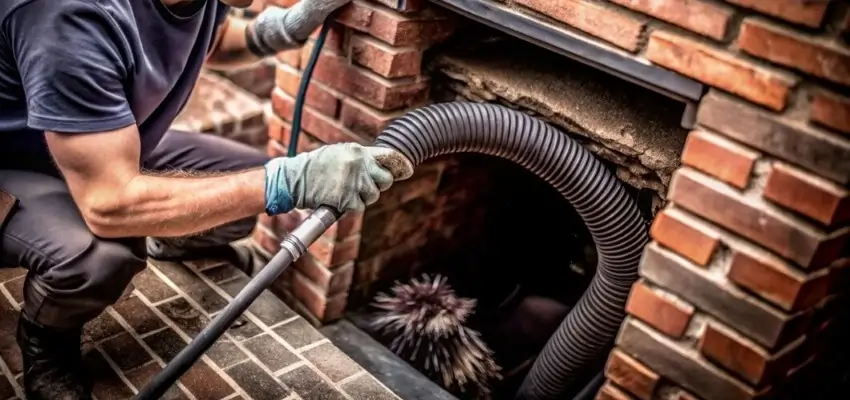
Chimney Cleaning that lifts soot and creosote in West Vancouver
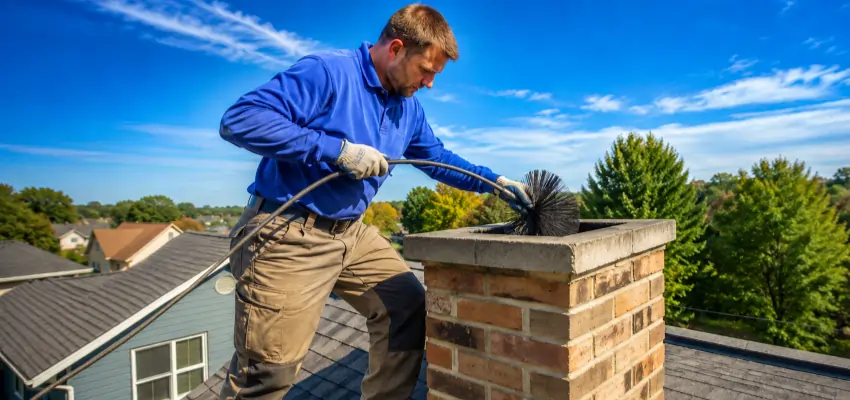
Why West Vancouver homeowners book Chimney Sweep visits yearly
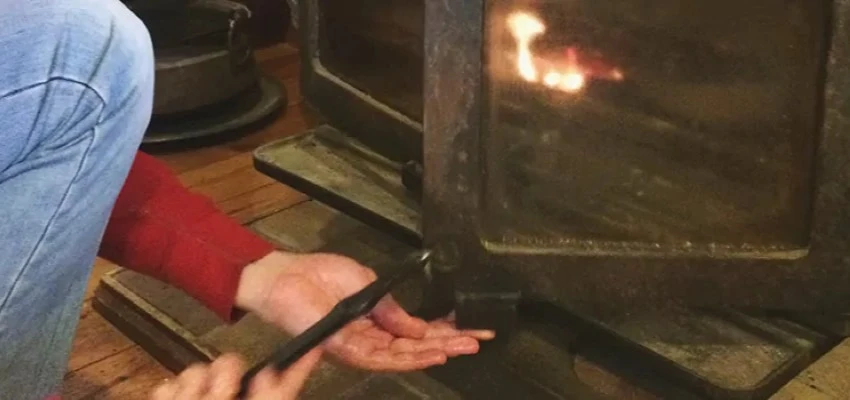
Swept and checked: Chimney Sweep Services in West Vancouver
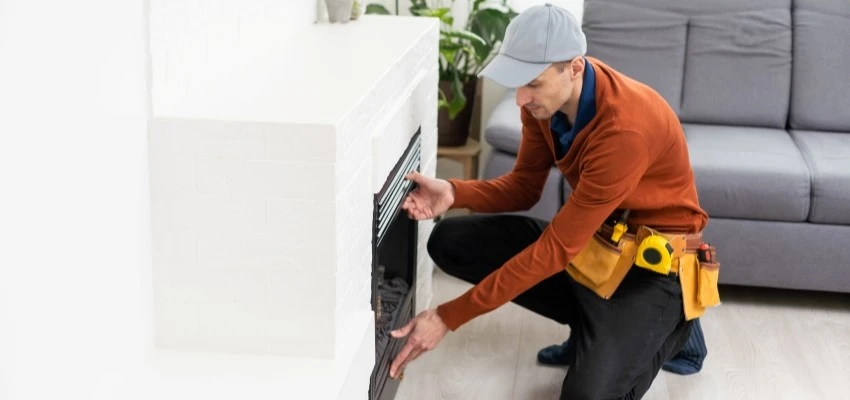
Ready for the season with Fireplace Experts in West Vancouver
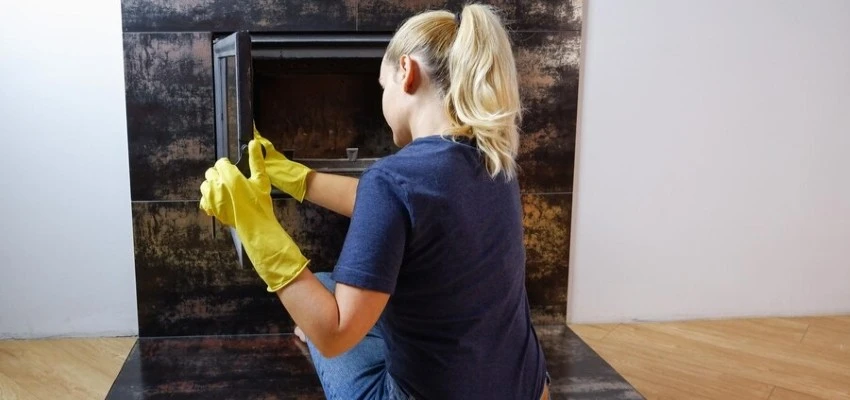
Control area vacuumed during Gas Fireplace Cleaning
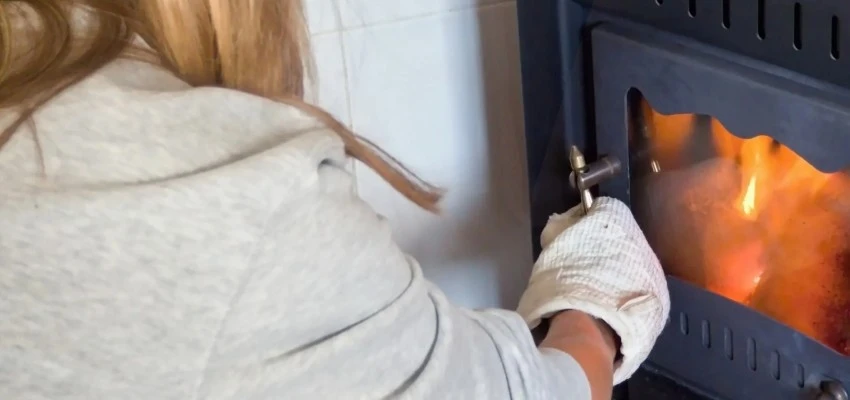
Catch a weak thermocouple early with Gas Fireplace Maintenance

