
Maybe you spotted a stain on the ceiling beside the fireplace, a few brick chips on the roof or a damper that will not budge. Small discoveries like these send many homeowners in West Vancouver looking up “chimney liner services” to find out how serious the problem really is. The answers below explain how chimney liner service works, what tends to cause the damage in the first place and which details matter when you talk to a company about fixing it.

Most signs of a damaged chimney liner are subtle, which is why a camera inspection is the usual way to confirm it. Clues you might notice include pieces of clay tile or flakes of mortar in the firebox, smoke or a smoky smell in rooms beside the chimney, weak draft that was not there before and moisture or staining on walls near the flue. A chimney fire, even a brief one, can crack clay tiles without leaving any visible sign outside. If you notice any of these, stop using the appliance on that flue and have the liner checked before the next fire.
Clay tile, stainless steel and cast-in-place are the three options, and most relining jobs we do use stainless steel, because a sized, insulated metal liner can be dropped into an existing flue without tearing the chimney apart. We start by inspecting and cleaning the flue, then measure it to confirm what will fit and what the appliance needs. The liner is fed down from the roof, connected to the fireplace, stove or appliance at the bottom and sealed with a top plate and cap. Cast-in-place systems are an option when the old flue needs strengthening, and replacing individual clay tiles can work for limited damage. We explain which suits your flue and why.
We run repairs in a set order: confirm, protect, fix, test, explain. Confirming means checking the chimney ourselves rather than relying only on the phone description, because the cause of a leak or a stuck part is not always where it seems. Protecting covers drop cloths inside and care around shrubs and shingles outside. The repair itself depends on the part involved. Testing might mean running water over new flashing, cycling a damper several times or checking draft with a little smoke. We finish by walking you through what we did and showing photos of areas you cannot see from the ground.
A good stainless steel liner can last for many years when it is the right grade for the fuel, properly installed and kept clean. Lifespan shortens when a liner is undersized, when it serves an appliance it was not made for or when acidic condensation and creosote are left to sit inside it. Insulating the liner helps it stay warmer, which reduces condensation and buildup. Clay tile liners can also last a long time until a chimney fire or settling cracks them. Ask about the liner’s grade and the appliance it is meant for during chimney liner service, and keep the paperwork on file.
Anything from a morning to several days, depending on the part, the access and the material. A damper repair or cap swap rarely keeps us past lunch. Flashing and chase covers depend on the roof, so a steep pitch or fragile shingles add hours. Masonry is the slow one, not because the work itself drags but because mortar and crown concrete need dry, mild weather and time to firm up between steps. A full rebuild above the roofline can stretch over several visits. When we quote, we give you a working estimate and tell you plainly what could push it longer, such as hidden damage.

Labor, access and materials drive the price, roughly in that order. Labor depends on the size of the repair and whether it can be finished in one visit or needs curing time between stages. Access covers roof height, pitch and anything that makes ladder setup awkward, such as a deck or steep slope below the chimney. Materials range from a tube of sealant to a custom stainless chase cover or a full liner kit. We also leave room in the conversation for surprises, because opening a chimney sometimes reveals more. Our quotes list each part of the work separately, so you can see where the money goes.
The fireplace or appliance on that flue is out of use for the visit and sometimes for a short time after. The crew usually cleans the flue first, then works from the roof to lower the liner and from inside to connect it, so expect drop cloths at the hearth and someone on the roof for much of the day. Many single-flue relines are finished in one visit, while chimneys needing tile removal or cast-in-place work take longer. Plan around the heating season if possible. Before booking “chimney liner services”, ask when the appliance can safely be used again and what the crew will need from you.
The repairs we make hold up longest when the rest of the chimney system is looked after too. That means a cap that stays in place with clear mesh, a crown kept free of leaves and moss, flashing left alone by anyone doing roof work and regular sweeping if you burn wood, because creosote and moisture attack the inside of the flue. We tell homeowners exactly how long to wait before the first fire after masonry work. After that, a glance at the chimney from the yard after big storms and a professional look once a year usually keeps surprises to a minimum.
A few direct questions reveal a lot about a chimney repair contractor:
Clear, specific answers are a good sign. If the replies stay vague or the price changes without explanation, it is reasonable to get another opinion before agreeing to the work.

We work with people who live in their homes and with people who look after rental units around West Vancouver. Either way, you get a clear explanation of the work and what we found. Request a quote for one home or several and we will plan the visits with you.
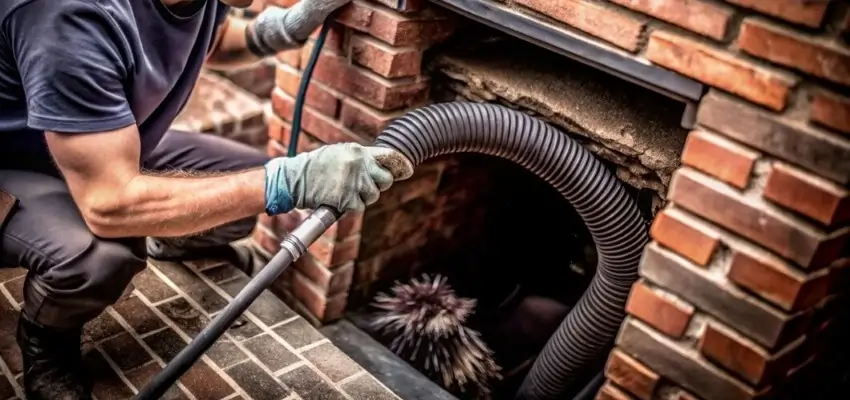
Chimney Cleaning that lifts soot and creosote in West Vancouver
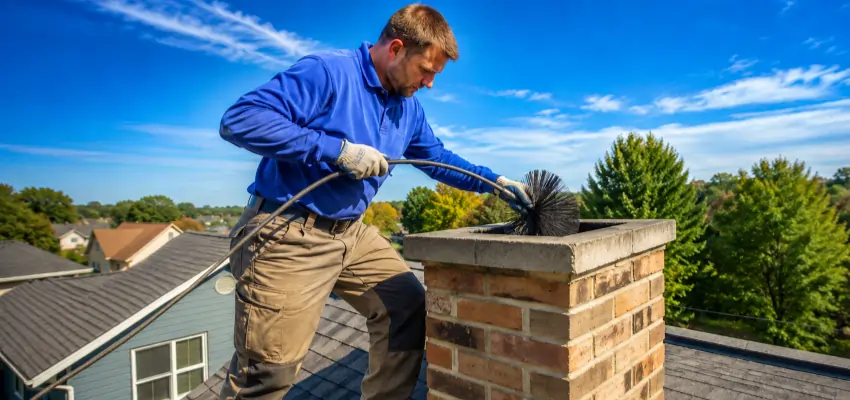
Why West Vancouver homeowners book Chimney Sweep visits yearly
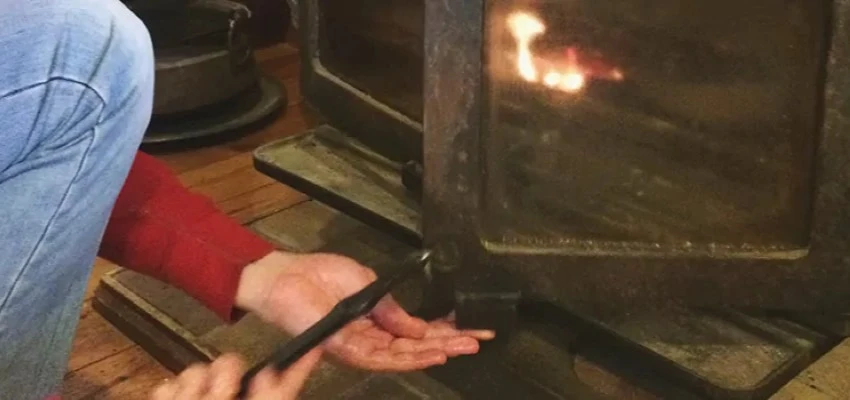
Swept and checked: Chimney Sweep Services in West Vancouver
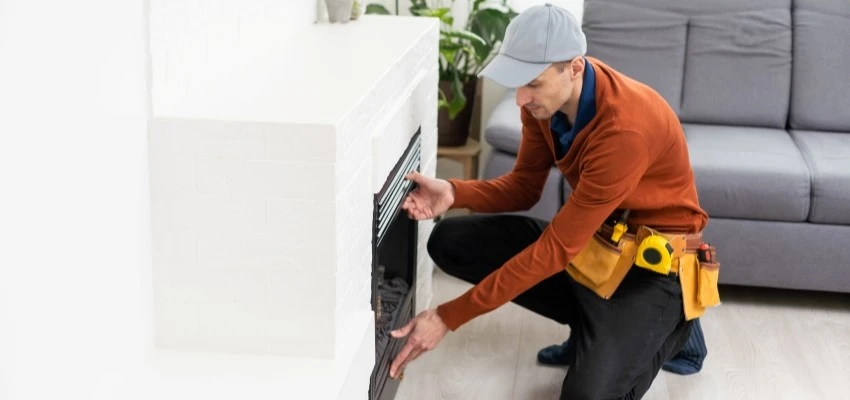
Ready for the season with Fireplace Experts in West Vancouver
Control area vacuumed during Gas Fireplace Cleaning
Catch a weak thermocouple early with Gas Fireplace Maintenance

