
Plenty of people only think about their chimney when the first cool evening arrives and they want a fire. Others notice a problem in spring after a wet stretch of weather. Either way, a search for “chimney masonry services” usually starts with a simple question: does this need fixing now? Here you will find practical answers about chimney masonry repair for homes in West Vancouver, including what the work involves, how long it takes and how to keep the chimney sound afterward.
Repairs matter because chimneys tend to fail slowly at first and then expensively. We regularly open up a chimney where a minor issue, such as a missing cap or one cracked mortar joint, was left alone for a few seasons. By then, water has soaked the bricks, rusted the damper or softened the wood framing beside the stack. Work at that stage takes longer and uses far more material. Catching the same fault early usually means a short visit and a modest bill. There is a safety side too, because a damaged flue or liner can let heat and smoke escape where nobody expects them.
Most chimneys can be repaired, and a rebuild only makes sense when the structure itself is no longer sound. Repairs cover jobs like replacing damaged bricks, repointing worn mortar, building a new crown or resealing flashing. A partial or full rebuild comes into play when the chimney leans, when many bricks are crumbling at once, when mortar has failed deep inside the stack or when the top courses move by hand. The usual approach is to save whatever is solid and rebuild only the section that cannot be saved, which is often the part above the roofline.
The most common signs show up as water, debris or poor performance. Watch for:
Outside, look for white staining on the bricks, gaps in mortar joints and a cap or flashing that looks loose. Any one of these is worth a closer look by someone who can reach the chimney safely.
Joints that have shrunk back from the brick face, cracked along the edges or turned soft and powdery are the signs we look for, and they are usually visible from a short distance. Healthy mortar, by contrast, fills the joint, sits tight to the brick on both sides and is shaped to shed water. On the roof, a light scrape with a tool tells us whether it still holds together. We also note where the damage sits: the top few courses and the weather-facing side usually go first. Repointing those areas promptly keeps water from reaching the core of the chimney.
Spalling is almost always a water story, and the pattern of the damage tells us where the water comes from. Flaking concentrated near the top of the stack points to a cracked crown or a missing cap. Damage along one side often matches the direction of driving rain. Bricks that crumble right next to newer, gray, very hard mortar suggest a past repair used the wrong mix. A non-breathable sealer painted on years ago can also trap moisture behind the face. Replacing bricks without fixing the cause just starts the clock again, so we deal with both at once.

A leaking chimney almost always has one of a few causes: a missing or damaged cap, a cracked crown, failed flashing where the chimney meets the roof, or porous bricks and mortar soaking up rain. On factory-built chimneys, a rusted or flat chase cover is a frequent culprit. Water may show up far from where it enters, running along the flue or the framing before it appears as a stain. Note when the leak happens, whether in every rain or only when wind blows from one direction, and where you see it. Those details help narrow down the source quickly.
Yes, in a few important ways. Stone chimneys have irregular joints of varying width, so repointing takes more hand work, and the mortar must suit the stone, which may be much harder or softer than brick. Matching the look is also trickier: replacement stones may need to come from a similar quarry or from salvage, and the joint style has to match the original. Stone veneer on a framed chase is a different system again, attached to a wall rather than built as solid masonry. Mention the stone type and whether it is veneer when you ask about chimney masonry repair.
It can be a sensible finishing step once the new mortar has cured. A breathable, vapor-permeable repellent made for masonry slows rain absorption while still letting moisture inside the brick escape. Avoid paint, film-forming sealers and products not meant for chimneys, because trapped moisture can make bricks spall. Repellents do not replace a sound crown, cap or flashing, and they wear off over time, so they are reapplied every few years. If you are considering one after “chimney masonry services” work, ask how long to wait before application and which type of product the company uses.
After a repair, the main job is to watch for changes and keep water and debris away from the chimney. Follow any instructions about when the fireplace can be used again, since new mortar or crown material may need time to cure. In the first few rains, check the ceiling and walls near the chimney for stains and look in the firebox for water or debris. Keep tree branches trimmed back from the chimney top and the gutters near it clear. Book a yearly inspection so small wear is caught early, and file the paperwork from the repair for future reference.

Asking for a quote does not commit you to anything. We explain what chimney masonry repair would include for your home, what affects the price and how long it should take, then leave the decision with you. Ask Chimney Sweep West Vancouver for a quote when you are ready.
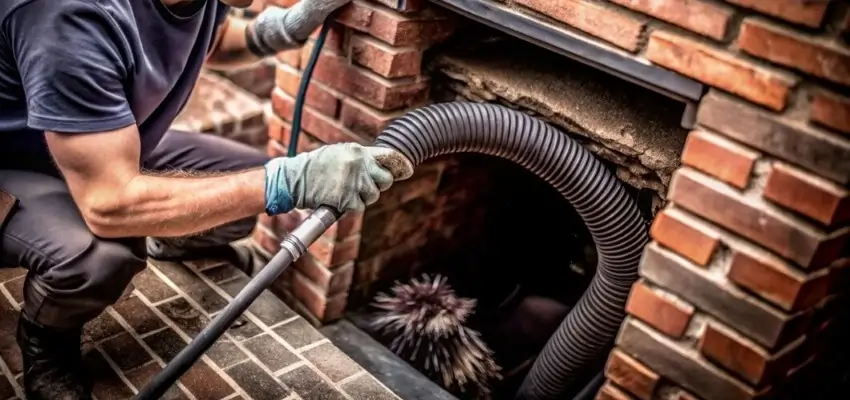
Chimney Cleaning that lifts soot and creosote in West Vancouver
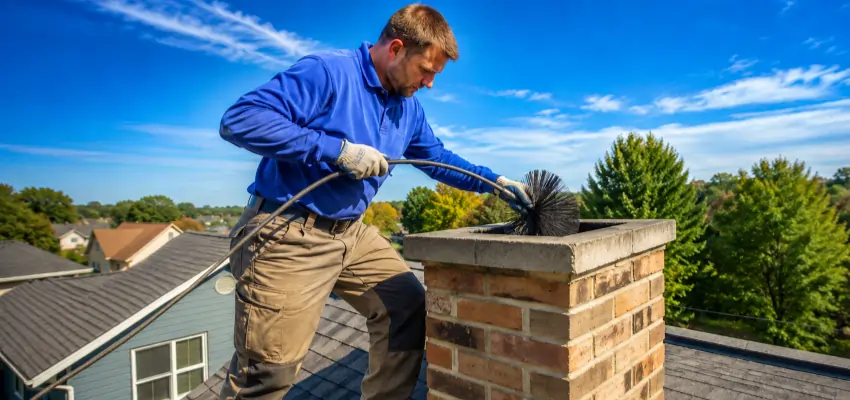
Why West Vancouver homeowners book Chimney Sweep visits yearly
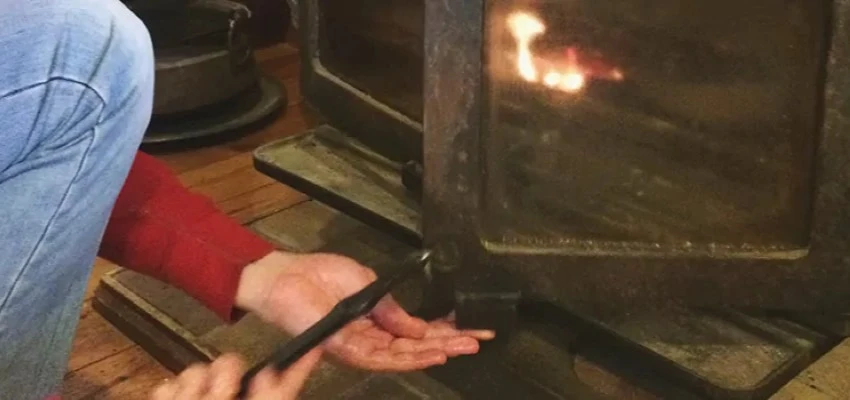
Swept and checked: Chimney Sweep Services in West Vancouver
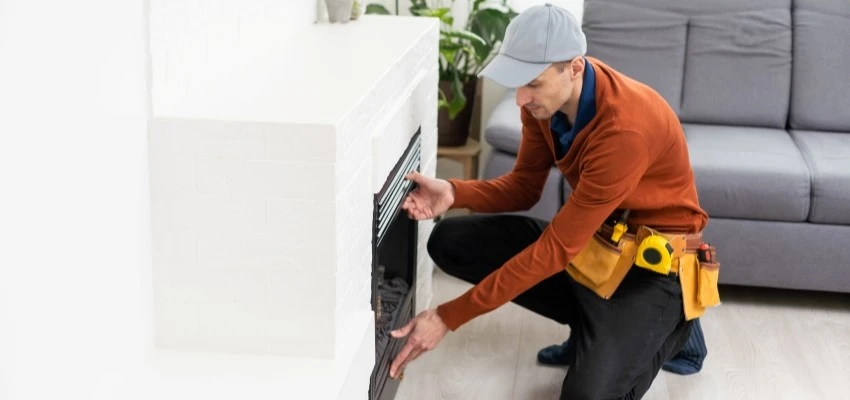
Ready for the season with Fireplace Experts in West Vancouver
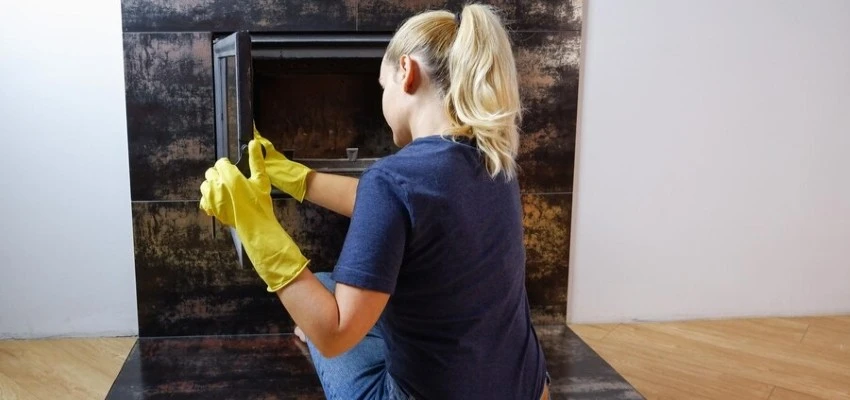
Control area vacuumed during Gas Fireplace Cleaning
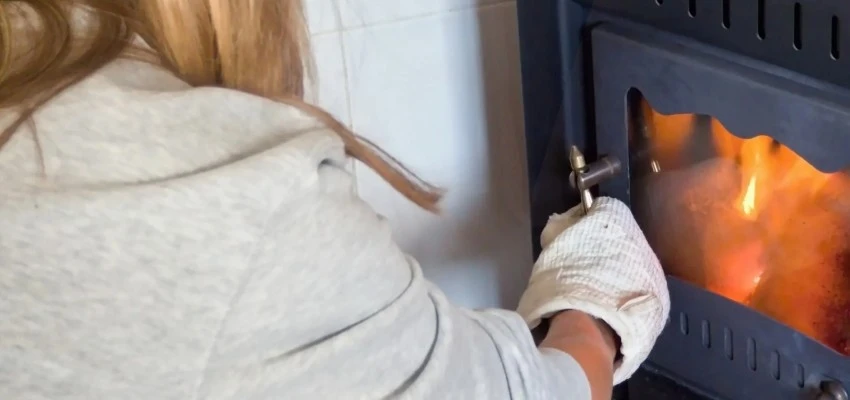
Catch a weak thermocouple early with Gas Fireplace Maintenance

