
Chimney work is one of those services where it pays to understand the basics before anyone quotes you a price. A little background makes every conversation with a technician easier and every recommendation easier to weigh. This page offers that background for readers in West Vancouver who searched for “chimney nest removal”, with plain explanations of chimney nest clearing and the reasoning behind the advice you are likely to hear.
Gas leaves far less buildup than wood, so a chimney serving only gas needs much less cleaning, but it still needs a regular check. Creosote is rarely the issue. The risks are different: nests, leaves and fallen debris can block the opening, and the water vapor in gas exhaust can wear down masonry and old liners over time. A blocked or damaged flue can push carbon monoxide back indoors, so keep working CO alarms on every level. Leave burners, valves and pilots to a qualified gas technician, and if you ever smell gas, leave the building and call your gas utility from outside.
An animal in the chimney can cause both physical damage and real safety hazards, even if it seems harmless at first. Nests and debris can block the flue, so smoke and carbon monoxide from a fireplace or a connected furnace back up into the house. Dry nesting material is also flammable. Raccoons can tear loose caps, damper plates and the mesh that keeps others out, while droppings and trapped animals leave stains and strong odors in masonry. An animal that gets past the damper can end up loose indoors. Take any sign of wildlife as a reason to stop using the fireplace and have the chimney checked.
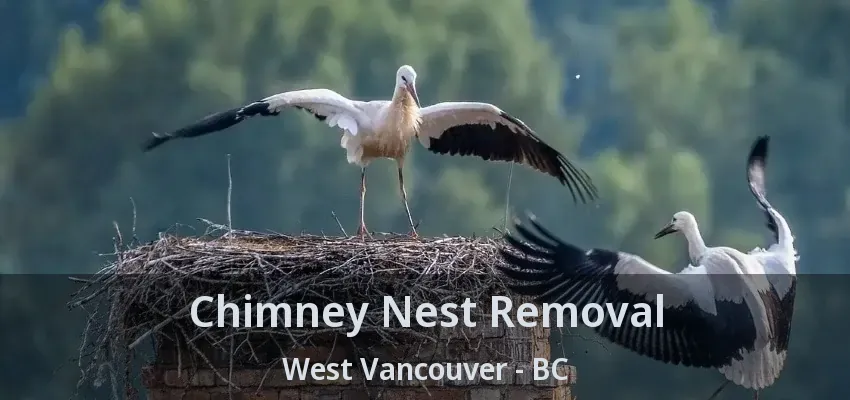
To a bird, an uncapped chimney looks a lot like a hollow tree: tall, sheltered from wind and rain and hard for predators to reach. Some species naturally nest on vertical surfaces and have adapted to chimneys as old trees have become scarce, and some of them are protected, so active nests are left until the young have flown. The smoke shelf and the ledges where flue tiles meet give them places to build. Warmth rising from a furnace flue can make a chimney more attractive in cooler weather. A properly fitted cap removes the opening, which is why most chimney nest clearing visits finish with a cap check or installation.
Soot is dry carbon and creosote is a tar-based wood smoke residue, and telling them apart helps us work out what is going on with the appliance. Soot wipes off on a fingertip and falls easily under a brush. When we find heavy soot in a flue serving a gas furnace, boiler or fireplace, we take it as a sign the burner may need attention from a qualified gas technician. Creosote, by contrast, tells us how the wood fires have been run: flaky deposits suggest reasonably hot burning, while sticky or glassy layers point to cool, smoky fires or firewood that was not dry enough.
The clearest sign a chimney needs sweeping is black, flaky buildup you can see on the damper or falling into the firebox. Other clues often show up alongside it:
Any one of these is worth a check. Two or three together usually mean the flue is overdue.

The most common sign is sound from the chimney: scratching, scurrying, chirping or a soft fluttering, often at the same times each day. Birds tend to be loudest when their young are hungry, raccoons move around mostly at night and squirrels are busiest during daylight. You may also find twigs, leaves or droppings in the firebox, notice an unpleasant smell or spot an animal on the roof near the opening. Keep the damper and any fireplace doors closed so nothing can get into the room, avoid lighting a fire and call a company that handles chimney animal problems humanely.
Old nests are often harder to remove than fresh ones because they have been packed down, dried out and sometimes coated with soot. The technician usually breaks the material apart from below with hand tools or a rotary head, while a vacuum collects the debris before it reaches the room. Nests built higher in the flue may be pulled down from the roof. Once the bulk is out, the flue is swept and checked with a camera for leftover material wedged at ledges or joints. A careful “chimney nest removal” job also confirms the damper plate moves freely afterward.
A common guideline is to have a chimney inspected once a year and swept whenever that inspection finds meaningful buildup, which for a fireplace or stove used regularly usually means about once a year. Heavy users, such as households heating mainly with wood, may need sweeping more than once per season. A fireplace lit only a few times each winter may go longer between sweeps, yet it still benefits from the yearly look, because nests, water damage and cracks have nothing to do with how often you burn. Many sweeps regard about an eighth of an inch of buildup as the point where cleaning is due.
We recommend CO alarms on every floor of every home we work in, including one near the bedrooms, because a chimney is a safety system and alarms are its backup. Even a well-swept flue can be blocked overnight by a nest or a fallen tile, and a fireplace can spill fumes when exhaust fans pull against it. We also suggest a smoke alarm in or near the room with the fireplace or stove, placed as its maker directs rather than right above the hearth, and a fire extinguisher within reach. If your alarms are older than anyone can remember, replacing them is a small job with a large payoff.

No jargon, no surprise add-ons and no long sales pitch. We explain what the work on your chimney involves, what it costs and how long it takes, then you decide. Call (778) 719-4326 to talk it over with Chimney Sweep West Vancouver.
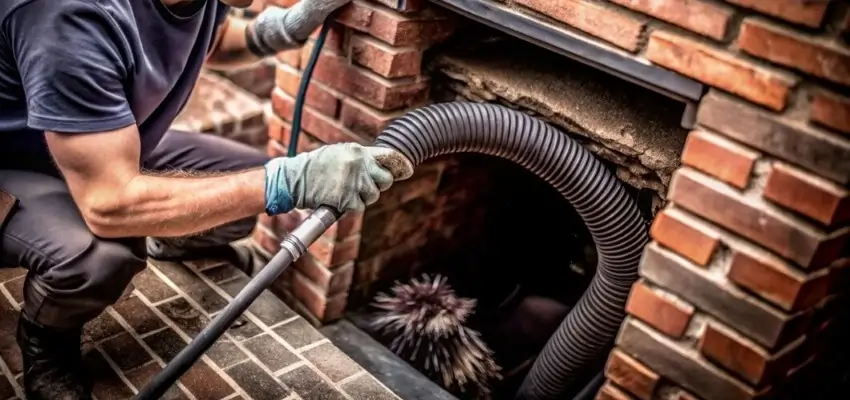
Chimney Cleaning that lifts soot and creosote in West Vancouver
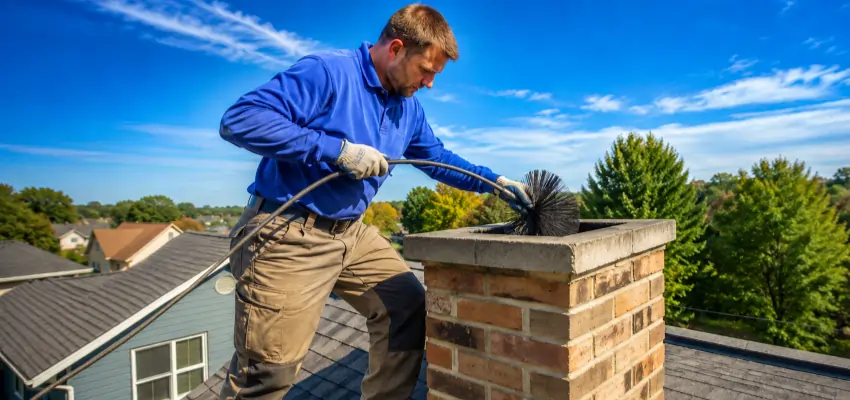
Why West Vancouver homeowners book Chimney Sweep visits yearly
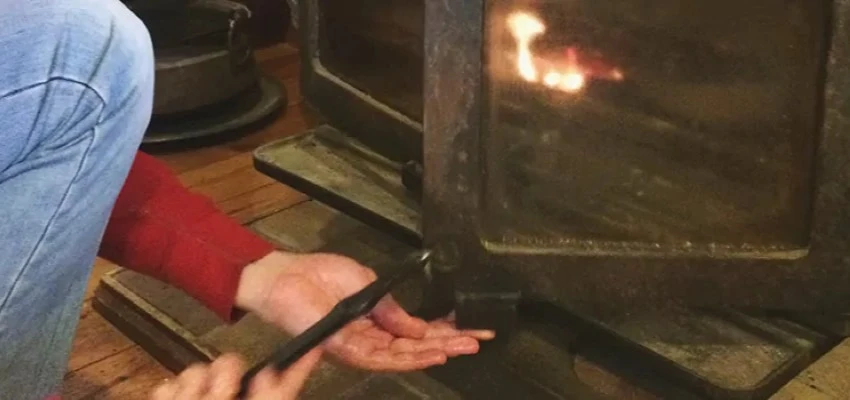
Swept and checked: Chimney Sweep Services in West Vancouver
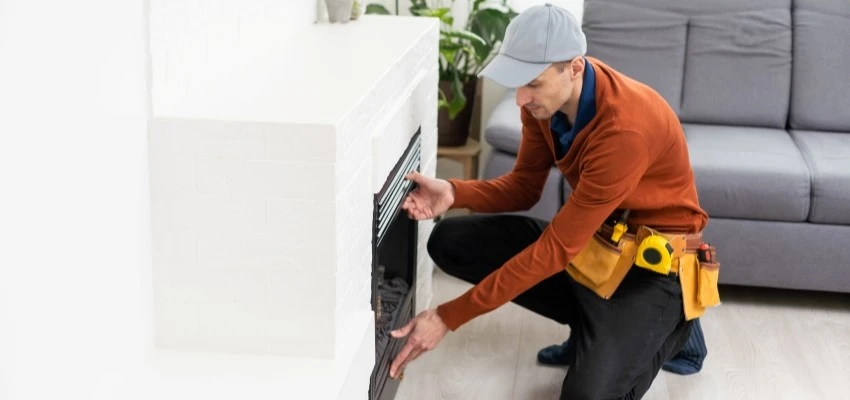
Ready for the season with Fireplace Experts in West Vancouver
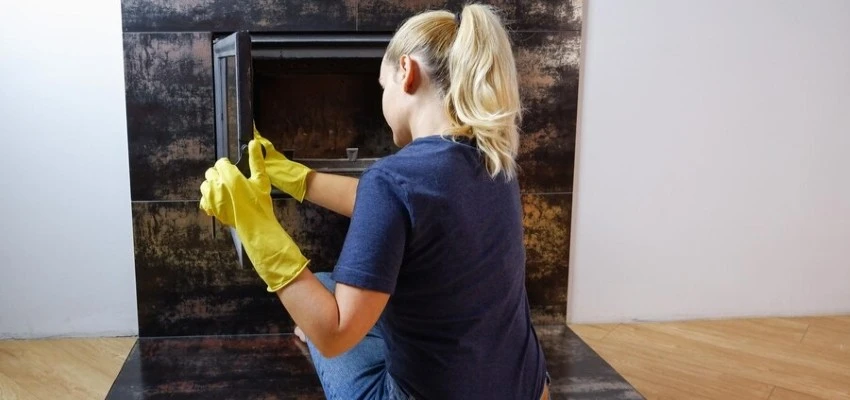
Control area vacuumed during Gas Fireplace Cleaning
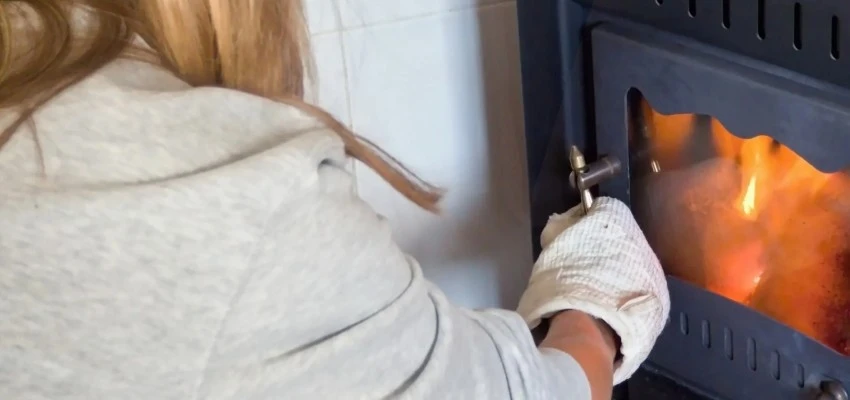
Catch a weak thermocouple early with Gas Fireplace Maintenance

