
A chimney does its work out of sight, carrying smoke and combustion gases up and away while most of its inner surfaces stay hidden behind brick, metal or drywall. That is why so many questions come up once someone starts looking into “chimney odor removal”. Below, you will find direct answers about chimney odor control for properties in West Vancouver, written by people who spend their days on roofs and at hearths. There is no jargon here and no pressure, just the practical side of the job.
The type of smell is a useful clue to its source. A sharp, smoky or asphalt-like odor usually comes from creosote, especially in humid weather. A damp, musty smell points to water getting into the chimney through the cap, crown or flashing. A rotten smell often means an animal or nest is in the flue. A smell of rotten eggs is different: it may be gas, so leave the building at once and call the gas utility from outside. Describing the smell when you ask about “chimney odor removal” helps the technician know where to start looking.
A chimney often smells worse in summer because humid air dampens the creosote left from the heating season, and air drawn down the flue carries that sharp, smoky odor into the room. The downdraft happens when the house is under slight negative pressure, for example while exhaust fans, a range hood or a clothes dryer are running. Rain entering an uncapped chimney adds a musty note. Closing the damper and any glass doors helps, and a sweep in spring removes most of the deposits behind the smell. If the odor is rotten rather than smoky, an animal or nest may be in the flue.
Signs of a chimney fire include a loud roaring or popping sound, dense smoke, a strong hot smell and sparks or flames from the top of the chimney, but many chimney fires burn quietly and are only discovered later. Afterward you might notice puffy, honeycomb-like flakes of creosote on the roof or ground, a warped damper or cap, cracked flue tiles or discolored metal. If you think a fire is happening, get everyone outside and call the fire department. If you suspect one happened in the past, stop using the fireplace or stove until the chimney has been inspected.
A standard chimney sweep usually takes about an hour to an hour and a half for a single flue. Expect more time if there are several flues, if a stove or insert has to be disconnected, if the roof is steep or high, or if the buildup is heavy or glazed. A camera inspection or a written report adds a little more. Plan to be available for the whole visit and for a short conversation at the end, when the technician explains what was found. If your day is tight, describe your setup when booking so the company can give you a realistic window.
A common guideline is to have a chimney inspected once a year and swept whenever that inspection finds meaningful buildup, which for a fireplace or stove used regularly usually means about once a year. Heavy users, such as households heating mainly with wood, may need sweeping more than once per season. A fireplace lit only a few times each winter may go longer between sweeps, yet it still benefits from the yearly look, because nests, water damage and cracks have nothing to do with how often you burn. Many sweeps regard about an eighth of an inch of buildup as the point where cleaning is due.

Someone usually needs to be home during a chimney visit, because most of the work starts at the fireplace or stove inside. An adult who can let the technician in, show where the appliances are and answer a few questions is enough. Try to be around at the end too, when the findings are explained and you can ask about anything that was noted. Roof-only tasks, such as checking a cap, can sometimes be done while you are out, but agree on that in advance. Landlords can arrange for a tenant or property manager to be present instead.
Preparing for a chimney visit mostly means letting the fireplace or stove cool and clearing space around it. Skip fires for at least a day beforehand so the ashes and flue are cold. Move furniture, rugs, screens and decorations a few feet back from the hearth, and take fragile items off the mantel. Outside, make sure the technician can reach the roof: unlock gates, move vehicles away from the walls where a ladder may go and keep pets indoors. Note anything unusual you have noticed, such as smells, sounds or smoke, and have the date of the last cleaning handy if you know it.
You can reduce creosote buildup mostly by burning dry wood in hot, lively fires. Use firewood that has been split and stacked under cover for several months, longer for dense hardwoods, and consider an inexpensive moisture meter to take the guesswork out. Give the fire enough air instead of letting it smolder, and avoid packing a stove full and shutting the air down overnight. Never burn trash, cardboard, painted or pressure-treated wood, or a holiday tree. Smaller, hotter loads leave less behind than big, smoky ones. These habits will not replace sweeping, but they slow the buildup noticeably.
It can, if the conditions that caused it return. Creosote deposits rebuild every burning season, so a smell that disappeared after a sweep may creep back the following summer. A leak that was not fully sealed can bring the musty odor back after heavy rain, and an uncapped flue can collect another nest. Negative pressure in the house is also persistent: new exhaust fans or a tighter home after renovations can restart the downdraft. If the odor returns after chimney odor control, note when it is strongest, since that pattern usually points straight to the cause.

We know most people are juggling work, family and errands. Let us know which days and times are easiest and we will try to match them. Choose a time for chimney odor control and the Chimney Sweep West Vancouver team will confirm it with you.
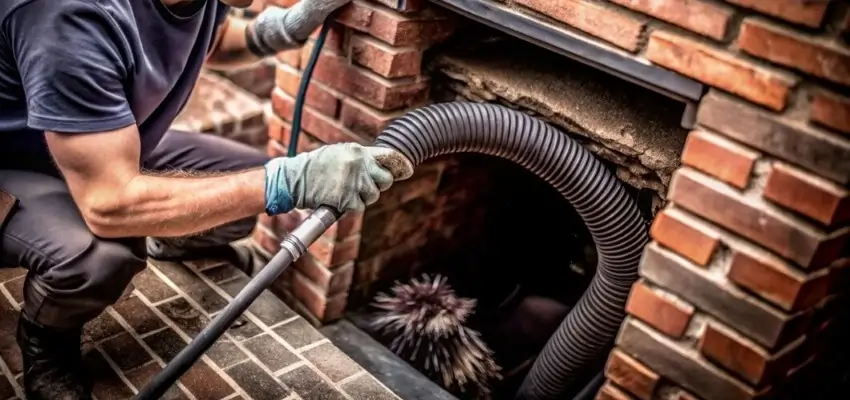
Chimney Cleaning that lifts soot and creosote in West Vancouver
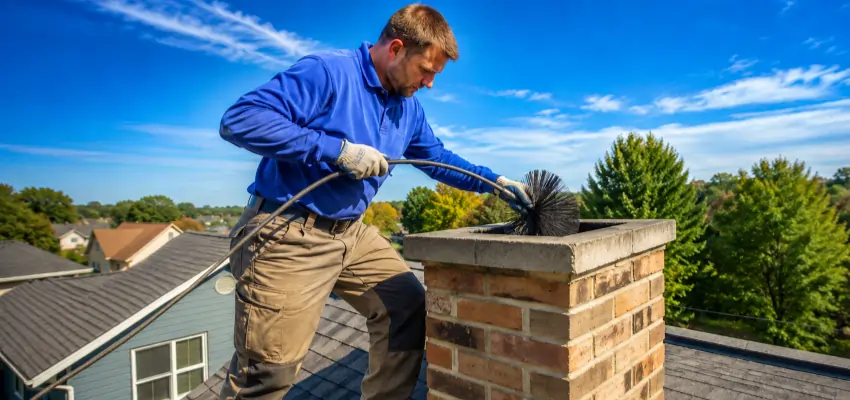
Why West Vancouver homeowners book Chimney Sweep visits yearly
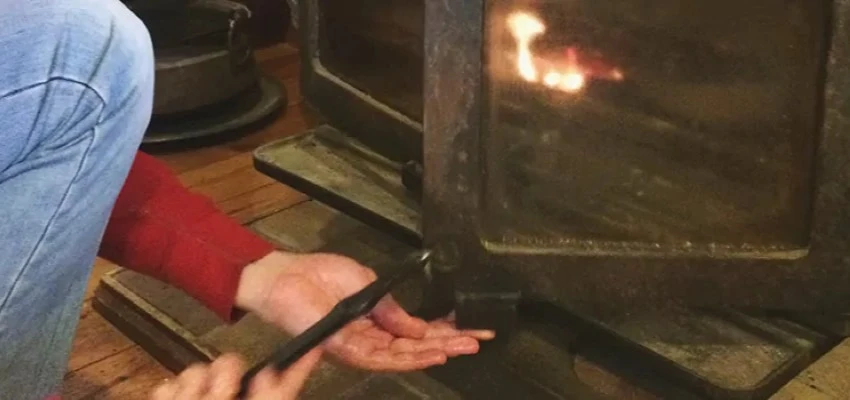
Swept and checked: Chimney Sweep Services in West Vancouver
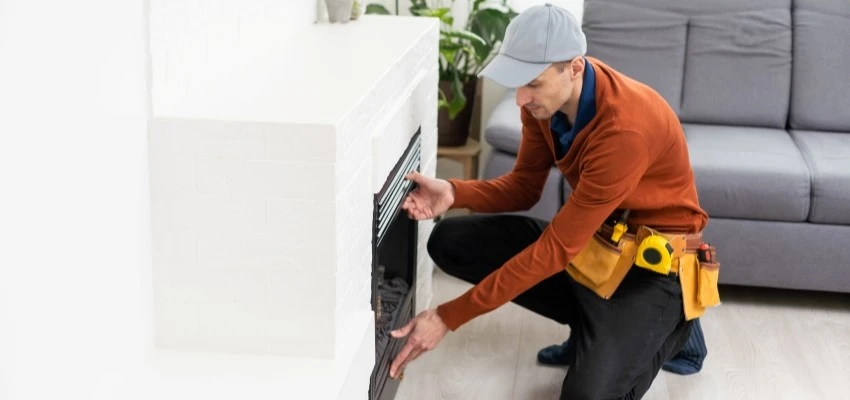
Ready for the season with Fireplace Experts in West Vancouver
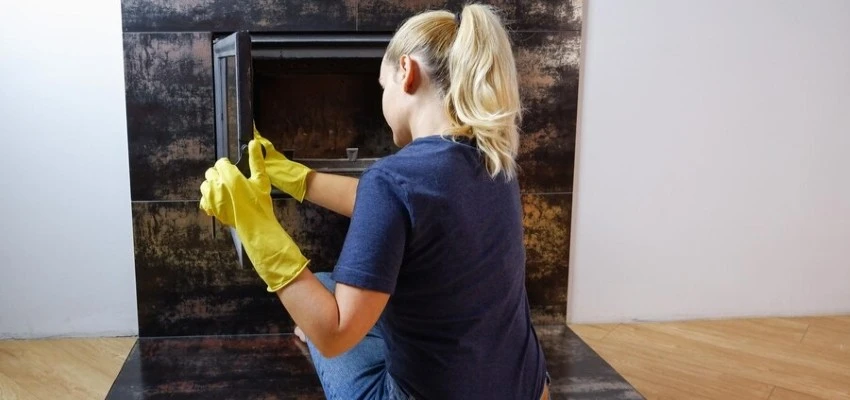
Control area vacuumed during Gas Fireplace Cleaning
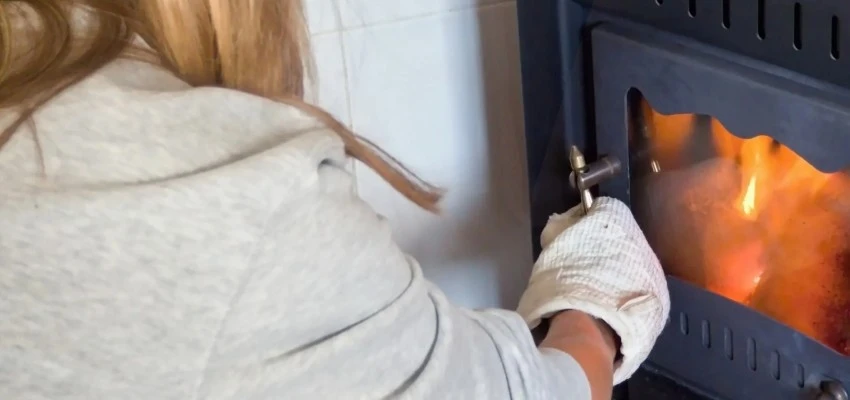
Catch a weak thermocouple early with Gas Fireplace Maintenance

