
Information about chimneys is scattered across product sheets, forum threads and sales pages. This page gathers the common questions about chimney pot service in one place for homeowners in West Vancouver, answered the way a technician would explain them on site. Whether you found it through “chimney pot services” or a friend’s recommendation, it should leave you better prepared for the conversation with any chimney company.

Work that affects the inside of a chimney, such as flues, liners, dampers or appliance venting, belongs with a chimney specialist, while a roofer is the right call for the shingles around it. Chimney technicians understand draft, heat and the clearances that keep nearby wood safe, and they have the tools to inspect a flue with a camera. Many jobs sit on the border, like flashing or the part of the chimney above the roofline, and either trade may handle them. When in doubt, ask how the company would check the flue and the chimney top, not only the outside.
With heavy cloths, sealed openings and proper vacuums inside, and tarps and padding outside; mess control is part of the job, not an afterthought. Before we touch the chimney, we lay cloths in front of the fireplace and, when the work involves the flue, tape plastic across the opening so soot stays on our side. Our vacuums are built for fine dust, not household lint. On the roof, materials sit on tarps or boards so shingles are not scuffed. The messiest jobs break out old tiles or brick; for those, we warn you in advance and plan the clean-up accordingly.
Many chimney jobs take a single day, while larger projects can run several days or more. Fitting a pot or cap, applying a water repellent or making a small flue repair is usually done in one visit. Relining a flue or installing a factory-built chimney often takes a full day, sometimes two. Remodeling, rebuilding or replacing large sections of masonry stretches longer, because mortar and concrete need curing time between steps. Weather can add days to any outdoor work. Ask for both the hours on site and the total span from start to finish.
Often they are, especially on older homes where the pots are part of the original look. A sound clay pot with minor chips can usually be cleaned, reset in fresh mortar and fitted with a proper guard. Pots with deep cracks, spalled surfaces or missing sections are harder to save and may be safer to replace with a matching reproduction. Salvaged pots are another option for a close match. People who search for “chimney pot services” for an older home should ask whether restoring, matching or replacing makes more sense for each pot, and why.
Usually, yes, as long as the chimney and flue are in good condition and the pot suits the appliance it will serve. The pot must match the flue size so it does not restrict draft, and its weight has to be carried by a sound crown or flue tile. Some homeowners add pots for the look, others to give a short chimney a little more height. A guard or cap made for the pot keeps animals and rain out. Before booking chimney pot service for a new pot, ask to see style options and how it will be secured against wind.

Share the chimney’s material and height, the appliances it serves and your goal, because the more we know before arriving, the more useful the first visit is. Photos taken from the ground, along with one of the fireplace or stove and any nameplate on it, often tell us which parts may be needed. If a home inspection report or an earlier quote mentions the chimney, send that too. We would rather spend five minutes on the phone than make a second trip for a part we could have brought the first time, and you get a firmer estimate sooner.
Burn dry wood, keep the top clear and book a yearly check; most of what keeps new chimney work in shape happens between our visits. Seasoned logs keep creosote down and protect liners and flue tiles. A cap or pot that stays clear lets the chimney draft properly. Water is the long-term enemy, so the crown, flashing and any repellent are worth a glance after big storms. We leave written notes on what we did and what to watch for. Homeowners who follow that routine rarely call us back for the same problem.
Homeowners can safely handle the watching and the basics, while anything on the roof or inside the flue belongs with a professional. Safe tasks include burning only dry, seasoned wood, keeping the hearth clear, opening and closing the damper to check it moves, looking at the chimney from the ground with binoculars and checking walls and ceilings near the chimney after storms. Do not climb onto the roof, apply sealers yourself, work on liners or touch gas appliance venting. A carbon monoxide alarm on each level of the home is a simple, important step.
We would hire the company that asks the most useful questions. A contractor who knows chimneys wants to know the material, the height, the appliances and the history before naming a figure. On site, it should go up, look inside the flue and come back with photos. It should tell you what it will not do as clearly as what it will. Ask how it handles surprises mid-job and who will be on the roof. Companies that work in your area every week can also tell you what tends to fail on homes like yours, which is useful insight in itself.

Simple routines at home go a long way, and a periodic visit catches what you cannot see. Together they keep your chimney in steady shape year after year. Call (778) 719-4326 to plan the next check with Chimney Sweep West Vancouver.
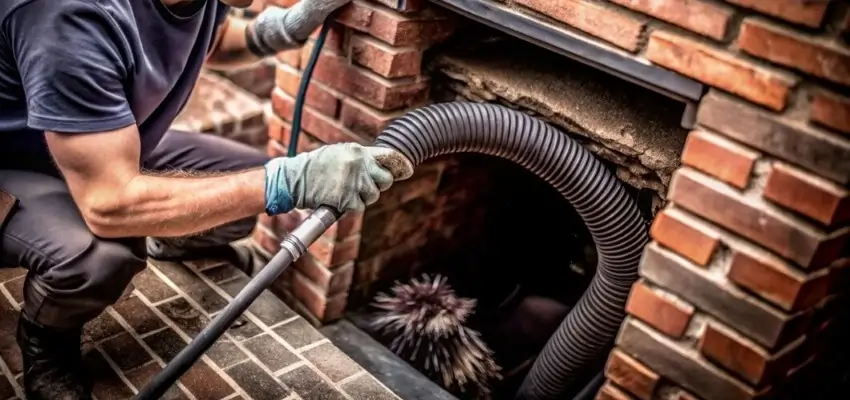
Chimney Cleaning that lifts soot and creosote in West Vancouver
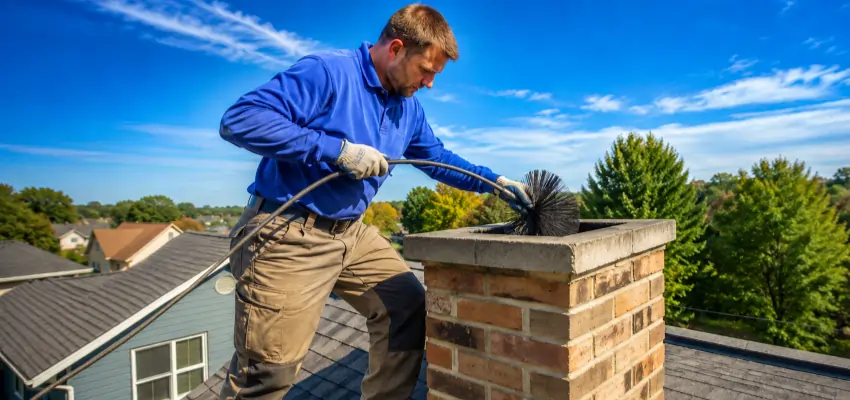
Why West Vancouver homeowners book Chimney Sweep visits yearly
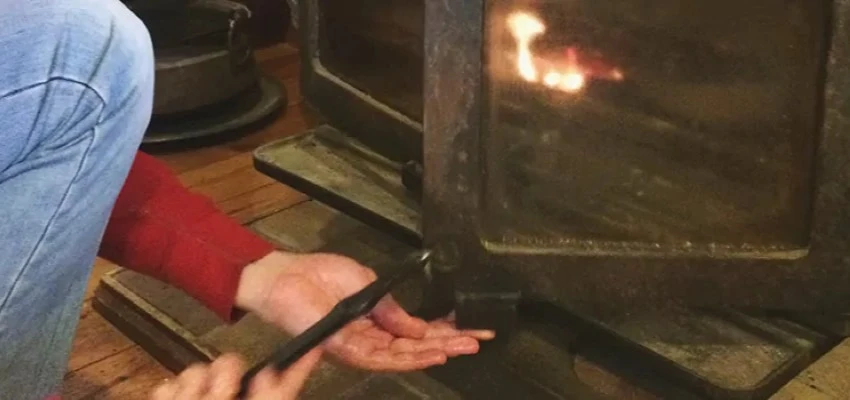
Swept and checked: Chimney Sweep Services in West Vancouver
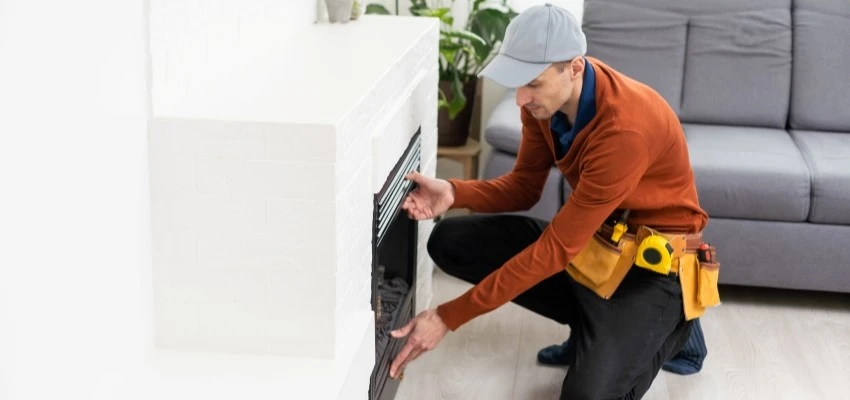
Ready for the season with Fireplace Experts in West Vancouver
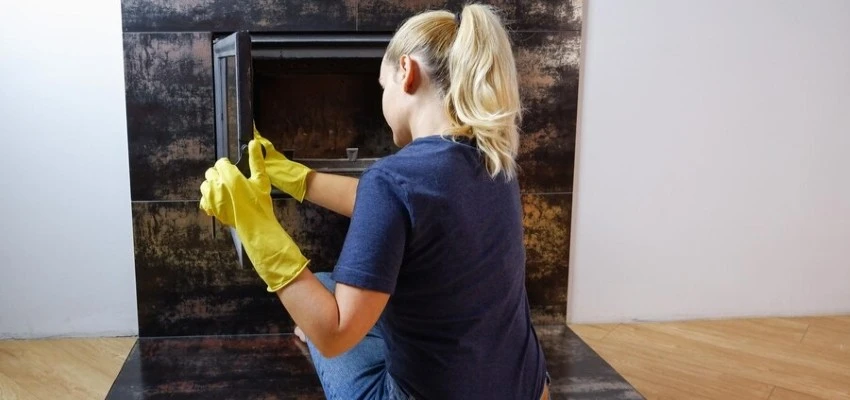
Control area vacuumed during Gas Fireplace Cleaning
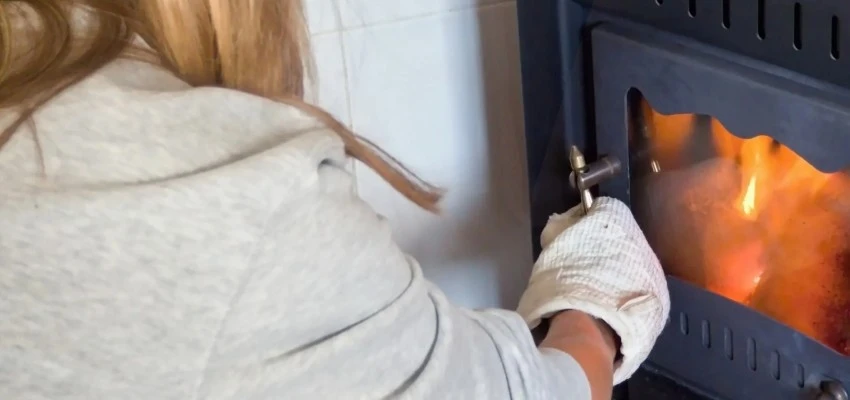
Catch a weak thermocouple early with Gas Fireplace Maintenance

