Think of this page as a reference you can come back to. It collects common questions about chimney rebuilding from homeowners around West Vancouver and answers each one directly, with the reasoning behind it. Whether you landed here after typing “chimney rebuild services” or someone who recently had their chimney fixed sent you the link, you should leave with a clearer idea of what needs doing, what can wait and what to ask before any work begins.
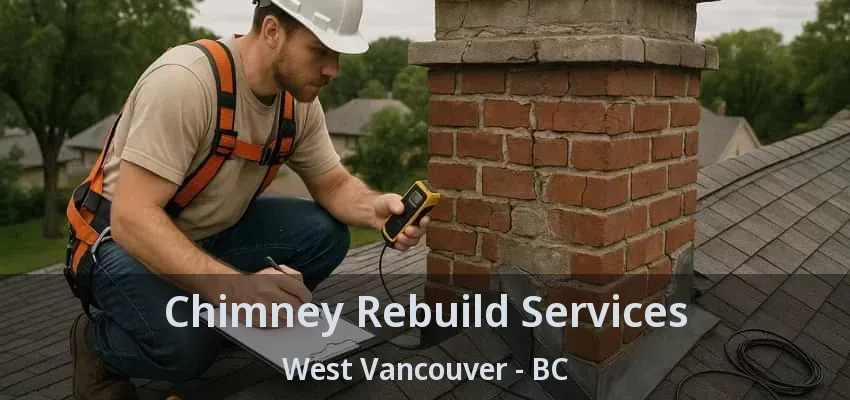
Chimney repair is important because a chimney has two jobs that both depend on it being sound: carrying smoke and combustion gases out of the house, and keeping rain and snow out of the structure. A cracked crown, a loose cap or a failing seal lets water into the masonry, the roof framing and the walls around the fireplace, and that kind of damage spreads quietly. A fault inside the flue can let heat or gases reach places they should not. A fireplace that still lights is no proof that everything is fine, so it pays to fix small problems while they are still small and inexpensive.
A masonry chimney has more parts than most people realize, and each one can need repair on its own. From the top down, you will usually find:
Inside the house sit the damper, the smoke chamber, the firebox and sometimes an ash dump. Factory-built chimneys swap the brick for a metal flue inside a framed chase with a metal cover on top.
Tuckpointing is the repair of worn mortar joints between the bricks of a chimney. The old, crumbling mortar is raked or ground out to an even depth, and fresh mortar is packed into the joints in layers, then shaped so water runs off the face. Strictly speaking, the word once described a decorative technique using two mortar colors, but today most people use tuckpointing and repointing to mean the same job. The aim is to seal the joints again so rain cannot soak into the chimney, which keeps the bricks tight and protects the structure for many more years.
Chimney bricks usually crumble because water gets into them and then freezes, evaporates or carries salts to the surface. In cold weather, trapped moisture expands as it freezes and pops off the face of the brick, which is called spalling. In milder climates, repeated wetting and drying and salt deposits slowly break down the surface instead. Mortar that is harder than the brick, often from an earlier repair, makes things worse because it forces the brick to take the stress. Crumbling bricks are a signal to find and stop the water source, not just to swap out the damaged units.
A leaning chimney usually points to a problem at the bottom, not the top. The chimney’s footing may have settled because of poor original construction, soil movement or water collecting around the base. Mortar that has washed out over many years can also let the upper stack shift. A gap opening between the chimney and the siding, cracks running diagonally through the brick and a stack that looks off-plumb from the street are the warning signs. Keep people away from the area beneath it and have it assessed promptly. Anyone researching “chimney rebuild services” for a leaning chimney should ask whether the footing will be evaluated too.
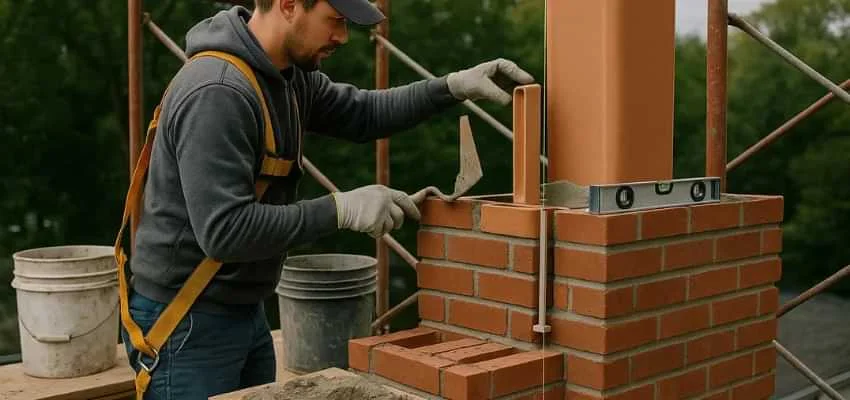
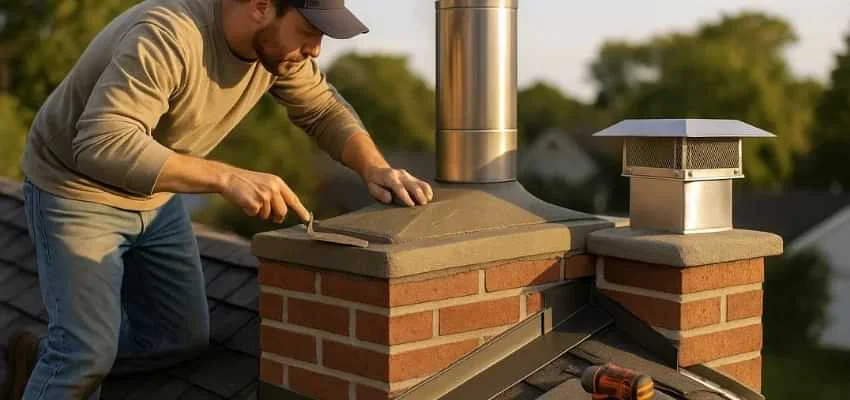
The crew sets up safe roof access, protects the shingles and takes the chimney down brick by brick to a solid course, usually somewhere near the roof. Usable bricks may be cleaned and set aside. The flue tiles or liner are then extended or replaced as the chimney goes back up in fresh mortar, course by course, to the right height. A new crown is formed on top, the flashing is renewed where the chimney meets the roof and a cap is fitted. Debris is lowered and hauled away rather than thrown. Most chimney rebuilding jobs at this scale take several days, depending on weather.
A chimney repair visit normally starts with an inspection to confirm the problem and check for anything related. The technician protects the area around the fireplace and, for exterior work, sets up ladders or roof anchors. Then the damaged part is removed or prepared, whether that means grinding out mortar, cutting away old sealant, unbolting a cap or opening a damper assembly. New materials go in, and the work is checked for fit and weathertightness. At the end you should see the finished work or photos of it and hear about anything else that turned up along the way.
Repointing is not a recurring yearly job; a properly matched and packed joint can last a generation. When we see fresh tuckpointing fail within a few years, it is usually for one of three reasons: the new mortar was too hard or too soft for the brick, it was smeared over old mortar instead of packed into cleaned-out joints, or water from a cracked crown kept soaking the stack. We address all three on our jobs. After that, the chimney top and the weather-facing side are the spots to watch, and touching up a handful of joints there keeps the rest sound.
A common guideline is to have a chimney inspected once a year, and many homeowners schedule it before the colder months when the fireplace sees more use. Yearly checks catch small problems such as a loosening cap, a new crack in the crown or a worn mortar joint before they let water in. It also makes sense to have the chimney looked at after a major storm, a chimney fire, a roof replacement or any change of insert, stove or appliance. Chimneys that are rarely used still need checking, because weather damages them whether or not you light fires.
We are glad to explain the process, the likely timing and what affects the price before you decide anything. Most people find that a few minutes of conversation answers the questions this page could not. Send us a message and we will reply with clear next steps.
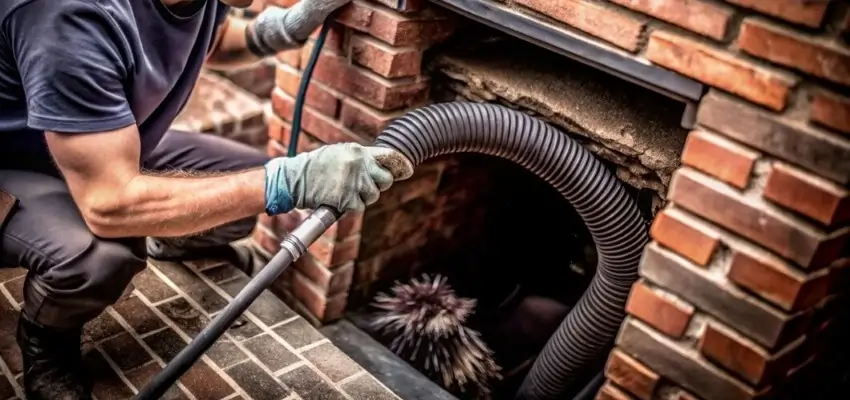
Chimney Cleaning that lifts soot and creosote in West Vancouver
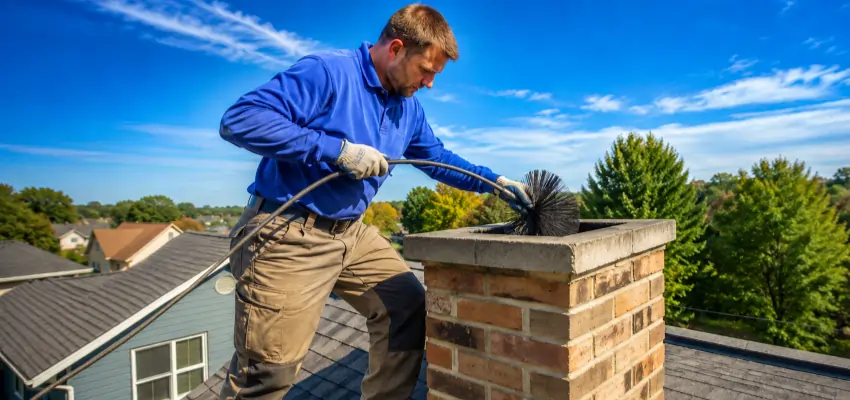
Why West Vancouver homeowners book Chimney Sweep visits yearly
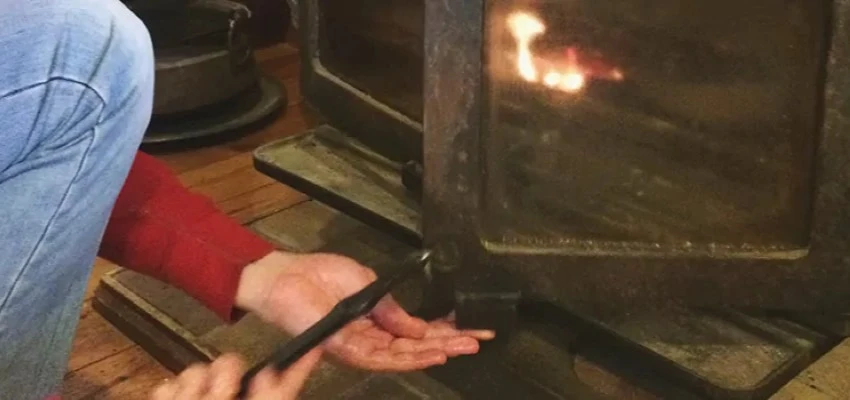
Swept and checked: Chimney Sweep Services in West Vancouver
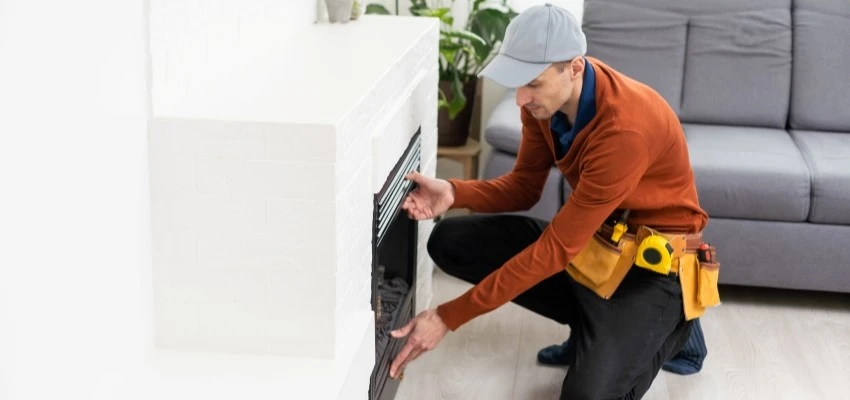
Ready for the season with Fireplace Experts in West Vancouver
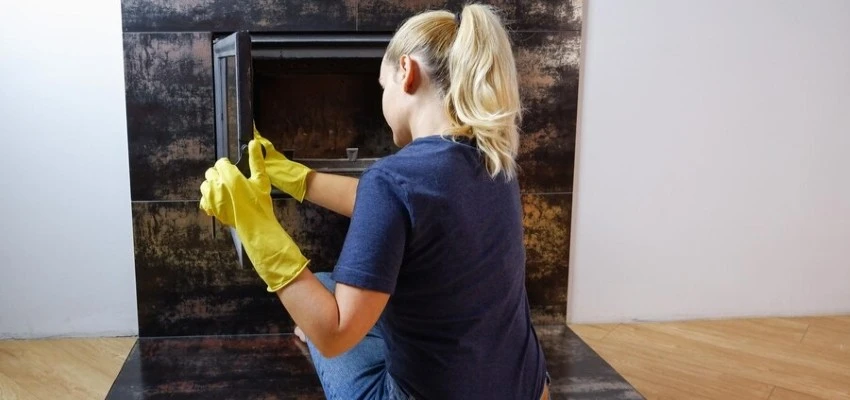
Control area vacuumed during Gas Fireplace Cleaning
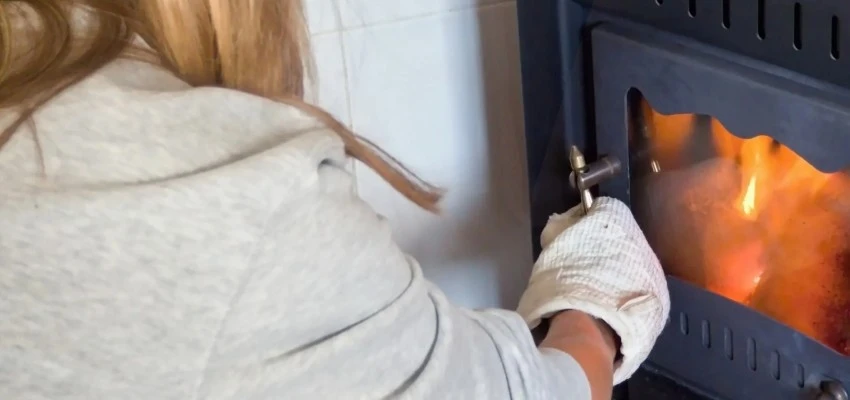
Catch a weak thermocouple early with Gas Fireplace Maintenance