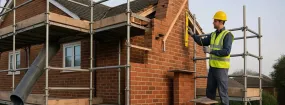
It is easy to think of a chimney as a fireplace accessory, but it is also part of the roof, the walls and the frame of the house. When one piece fails, water and heat can reach places they were never meant to go. For homeowners in West Vancouver who typed “chimney repair near me” into a search bar, the answers on this page explain chimney repair in everyday language, from the first warning signs to what happens once the work is done.
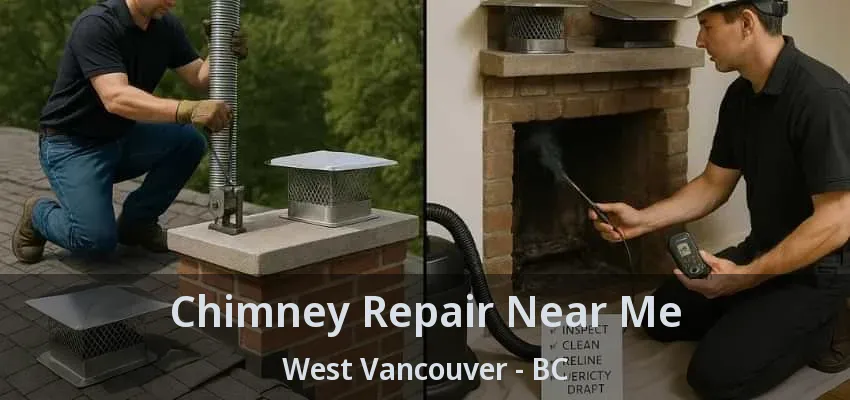
Most chimneys can be repaired, and a rebuild only makes sense when the structure itself is no longer sound. Repairs cover jobs like replacing damaged bricks, repointing worn mortar, building a new crown or resealing flashing. A partial or full rebuild comes into play when the chimney leans, when many bricks are crumbling at once, when mortar has failed deep inside the stack or when the top courses move by hand. The usual approach is to save whatever is solid and rebuild only the section that cannot be saved, which is often the part above the roofline.
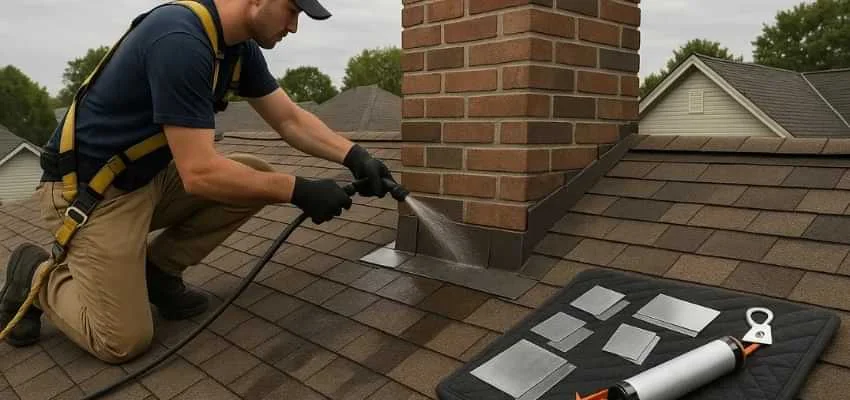
Your chimney is most likely leaking at the crown, the flashing, the cap or through porous brick, though the stain rarely appears where the water gets in. Rain that slips past a cracked crown may travel down inside the masonry and show up at the firebox. Flashing leaks tend to stain the ceiling or the attic framing next to the chimney. An uncapped flue lets rain fall straight onto the damper, where it causes rust and a damp smell. Porous brick can wick moisture through the whole stack during long storms. We often test one area at a time with a hose, starting low and working up, so the repair targets the real entry point rather than a guess.
We run repairs in a set order: confirm, protect, fix, test, explain. Confirming means checking the chimney ourselves rather than relying only on the phone description, because the cause of a leak or a stuck part is not always where it seems. Protecting covers drop cloths inside and care around shrubs and shingles outside. The repair itself depends on the part involved. Testing might mean running water over new flashing, cycling a damper several times or checking draft with a little smoke. We finish by walking you through what we did and showing photos of areas you cannot see from the ground.
Preparing for chimney repair mostly means clearing access inside and out. Stop using the fireplace or stove at least a day before so the firebox and flue are cool, and move decorations, screens, tools and furniture away from the hearth. Outside, move vehicles, patio furniture, planters and grills away from the side of the house where ladders will go, and unlock any gates. Let the company know about pets, an alarm system or anything fragile near the chimney. If the job involves the attic or basement, such as tracing a leak or emptying an ash pit, clear a path there too.
The first visit is usually an inspection and estimate. The technician asks what you have noticed, looks at the fireplace and any stains inside, then checks the chimney from the roof or a ladder, often taking photos. If the problem is small, such as a loose cap, it may be fixed on the spot with your approval. Larger work is quoted in writing, with the materials, timing and any weather constraints explained. Expect the visit to take under an hour for a typical home, longer if the attic or a camera inspection of the flue is involved. Have your questions about chimney repair timing ready.
A search for “chimney repair near me” is a sensible start, but narrow the results with a few checks. Look for companies that list your town or neighborhood and describe chimney repairs specifically, not only sweeping. Call two or three and ask what they need to know before giving a figure; good ones ask about the chimney type, the roof and what you have noticed. Read recent reviews for comments on punctuality and clean-up. Ask whether they can look at the chimney soon, even if the repair itself has to wait for suitable weather. Clear answers on the phone are a good sign.
The questions that matter most are about cause, scope and surprises, and any capable chimney company can answer them in plain words. Cause: why is this happening, and how do you know? Scope: which parts are included, which materials, and is the chimney top part of the job? Surprises: what happens if rotten framing or a cracked flue tile turns up halfway through? It is also fair to ask who will be on your roof, how long new mortar needs before a fire and how the site will be left. We welcome these questions, because they lead to fewer misunderstandings later.
Pick the company that gives you specifics. One that knows chimneys asks what yours is made of and what burns in it before giving a figure, and it talks about the cause of a problem rather than just the symptom. On site, it should take photos from the roof and inside the flue, lay out the options and let you decide without pressure. Tidy work matters, since soot and mortar dust travel. Ask how follow-up questions are handled once the job is done, and whether the same crew will come back if something needs a second look.
Local crews know the chimneys in the area, and that knowledge saves time and guesswork. Working the same streets season after season, we learn which subdivisions have tall chimneys on steep roofs, which builders used flat chase covers that rust and which older districts still have original clay liners. That history makes the first diagnosis faster and quotes more accurate. Being close by also means we can come back to check a repair after heavy rain without it becoming a major trip. When you call Chimney Sweep West Vancouver, you reach people who work on chimneys around West Vancouver every week.
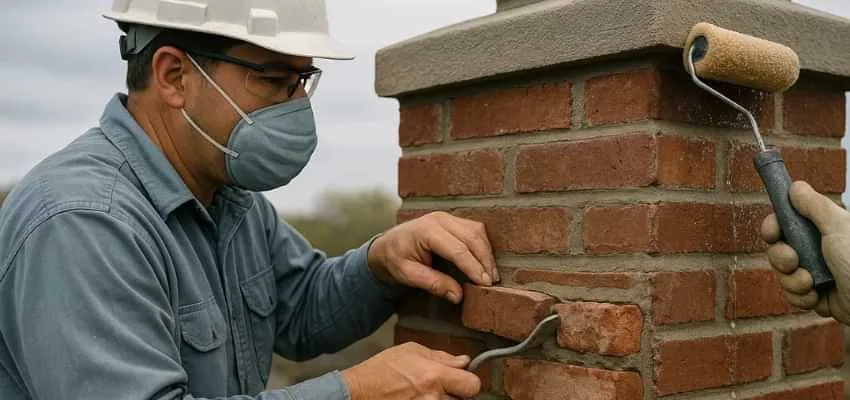
After the visit you get a short summary of what we found, what we did and anything worth planning for later. It makes future decisions about your chimney much easier. Book with Chimney Sweep West Vancouver and keep it on file.
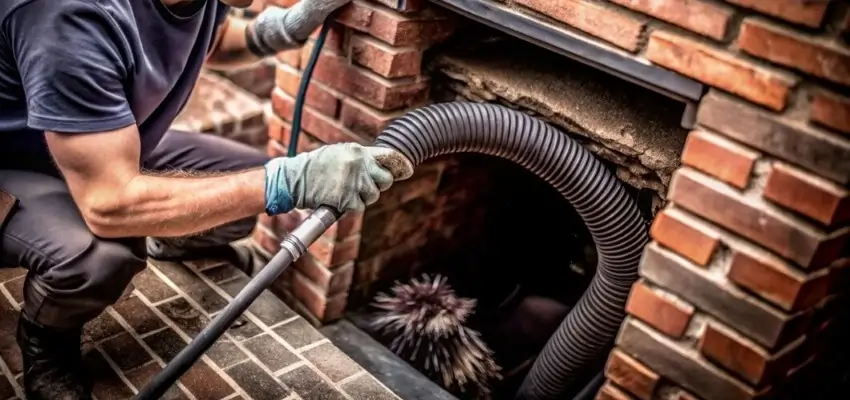
Chimney Cleaning that lifts soot and creosote in West Vancouver
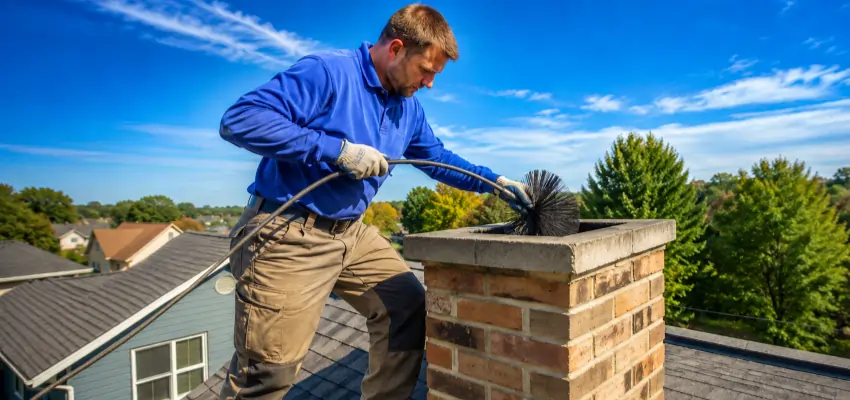
Why West Vancouver homeowners book Chimney Sweep visits yearly
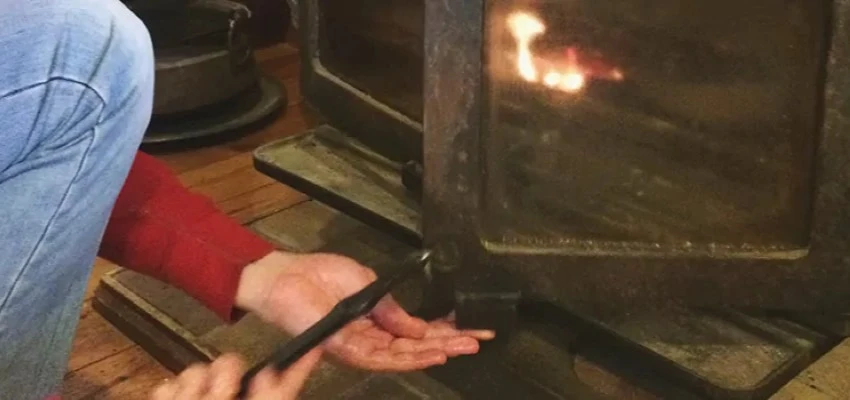
Swept and checked: Chimney Sweep Services in West Vancouver
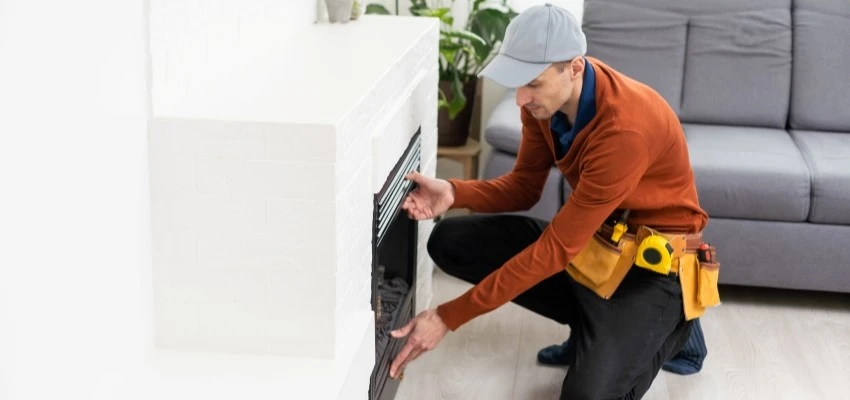
Ready for the season with Fireplace Experts in West Vancouver
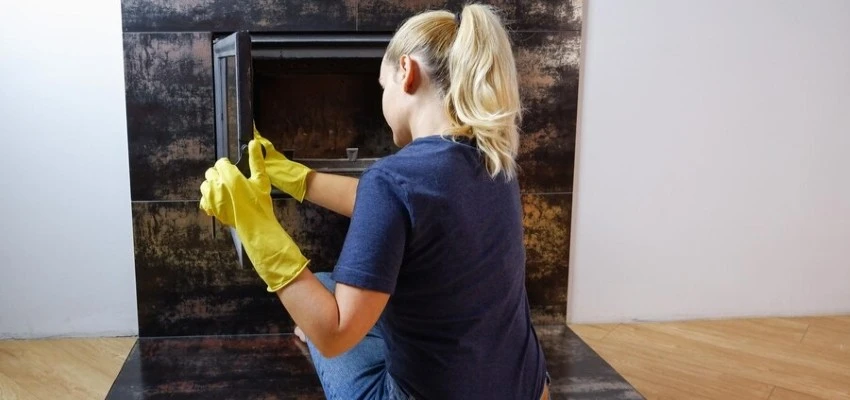
Control area vacuumed during Gas Fireplace Cleaning
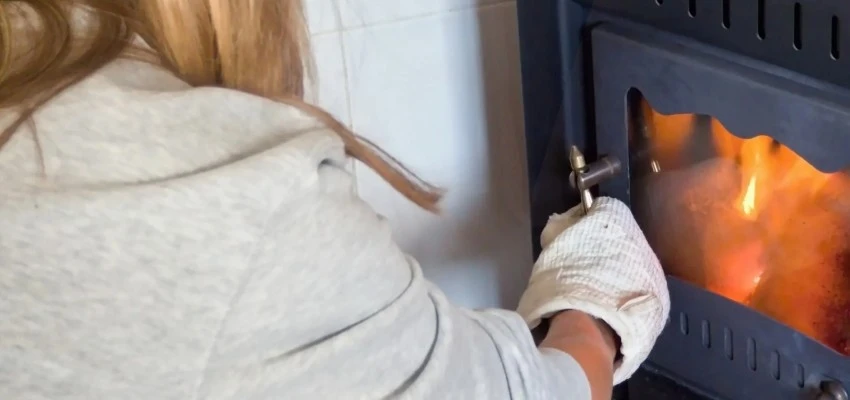
Catch a weak thermocouple early with Gas Fireplace Maintenance