
A chimney has to cope with two hard jobs at once: weather on the outside, and heat and exhaust on the inside. Most specialty chimney work comes down to helping it do one or both of those jobs better. For anyone in West Vancouver researching “chimney saver”, this page walks through chimney waterproofing step by step, from the first signs that something is needed to the care that keeps the result in good shape.

We think of a water repellent as a raincoat that breathes. Good products, often silane or siloxane based, penetrate the brick rather than sitting on top, so rain beads off while vapor from inside the chimney can still get out. That is the key difference from glossy sealers and paints, which we often have to strip off because they trapped moisture and caused spalling. A repellent is a finishing step: it protects sound masonry but cannot bridge cracks or open joints. That is why we repair the crown, flashing and mortar first, then apply it on a dry day.
The clearest signs are water, debris and smoke where they do not belong. Watch for damp stains near the chimney, flakes of tile or brick in the firebox, rust on the damper or cap, a fireplace that smokes into the room and loose or leaning pieces at the top of the chimney. Outside, white staining on brick, gaps in mortar and plants or moss growing on top are worth noting. Any smell of smoke in rooms next to the chimney, or a carbon monoxide alarm, means stop using the appliance and have it checked before it is lit again.
Watch how the brick behaves when it rains. If sections stay dark long after a storm, if white powdery deposits keep appearing on the face or if bricks near the top are flaking, the masonry is absorbing more water than it should. Damp patches or a musty smell inside near the chimney point the same way. A quick test is to spray a little water on dry brick: if it soaks in almost immediately, the surface has little protection left. These signs also call for checking the crown, cap and flashing, so chimney waterproofing is usually part of a wider plan.
Some chimney work can be done in almost any weather, but masonry, crown work and water repellents need mild, dry conditions. Mortar and concrete should not freeze while they cure, and coatings need dry brick to soak in properly, so those jobs are usually planned for spring through fall. Liner installation, pot fitting and some interior work are less sensitive, though roof access still depends on ice, wind and rain. Booking ahead of the cooler months gives the widest choice of dates. If the forecast turns, a careful company will reschedule rather than rush.
Anywhere from a short visit to several days, and we plan it around the size of the job, the access and the materials. A repellent on a dry, accessible chimney or a single pot swap is quick. A new liner or a prefab chimney through a finished ceiling and roof usually fills a day. A remodel that changes the height or face of a masonry chimney is measured in days, partly because new work has to cure before the next layer goes on. We also watch the forecast, since rain and frost decide when masonry and coatings can be done well.

Repairs and dry weather come first. Cracked crowns, failed mortar joints, loose flashing and damaged bricks should be fixed, since a repellent cannot seal gaps. New mortar needs time to cure before it is coated, so ask your contractor how long to wait. The masonry is then cleaned of dirt, moss and loose deposits and allowed to dry thoroughly, often for a day or more after rain. Nearby windows, siding and plants are protected from overspray. If you are booking “chimney saver” work, plan it for a stretch of mild, dry days.
Mostly no, and the reason is risk rather than complexity. Roof work at height, heavy pots, flue liners and anything involving venting or gas can hurt people or the house if done wrong. What we encourage is observation: photos of the chimney top after storms, a note of when the fireplace started smoking, a look at the firebox for fallen debris. Those notes make our visits faster and more accurate. Store-bought sealers are a common DIY mistake, since the wrong product can trap moisture and damage brick. Leave products and climbing to us, and keep your carbon monoxide alarms tested.
Follow the crew’s instructions about when the fireplace or stove can be used again, since new mortar, coatings or liners may need time. In the weeks after, watch for any stains, drafts or smoke that seem new. Keep the area around the chimney top clear by trimming branches and cleaning nearby gutters. If you burn wood, use dry, seasoned firewood and have the flue swept regularly, which protects liners and tiles. Book a yearly inspection, and keep receipts and photos from the work so future technicians know what was done.
A complete quote names the materials, sizes and steps, and when homeowners show us other offers, the gaps are usually in scope rather than price. One lists a stainless liner with insulation; another says just “liner.” One includes a new crown under the pot; another assumes the old one is fine. Check that each quote says who handles permits if any are needed and explains the plan for surprises. Then ask every company the same three questions: what is included, what is excluded and what could change the price. The answers reveal which offer really fits your chimney.

A few details help us plan the right visit:
Send us your details and we will reply with next steps for chimney waterproofing in West Vancouver.
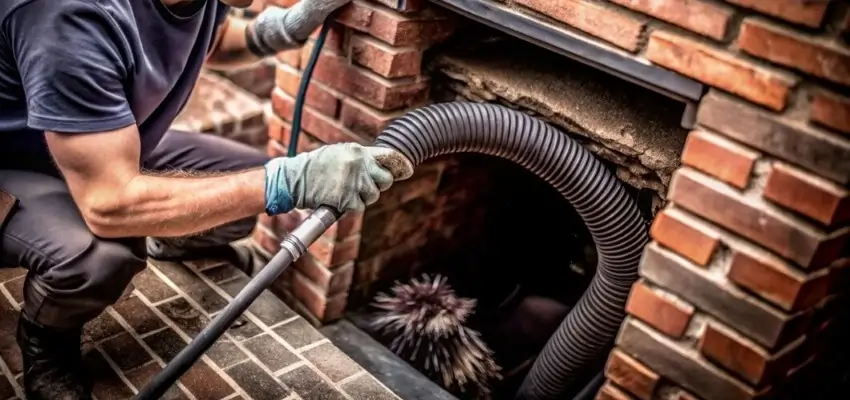
Chimney Cleaning that lifts soot and creosote in West Vancouver

Why West Vancouver homeowners book Chimney Sweep visits yearly
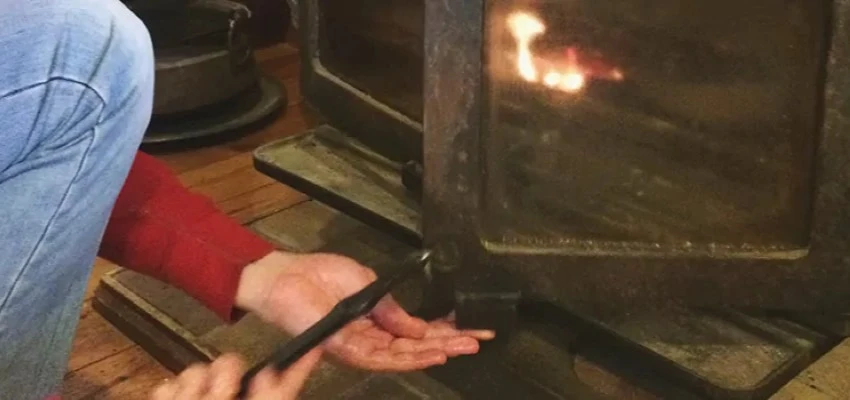
Swept and checked: Chimney Sweep Services in West Vancouver
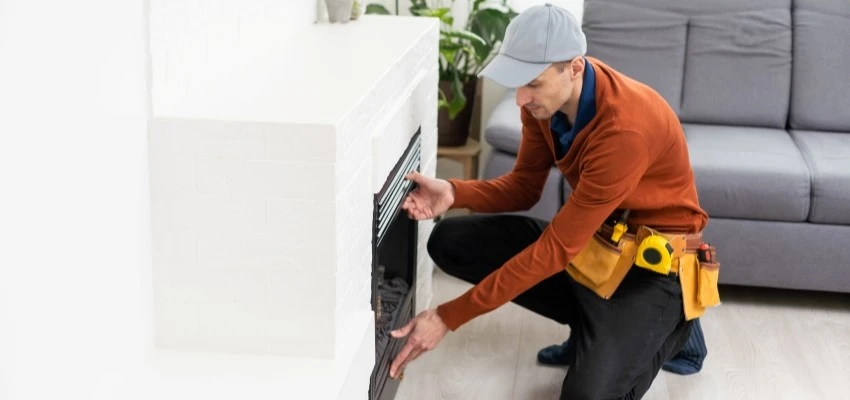
Ready for the season with Fireplace Experts in West Vancouver
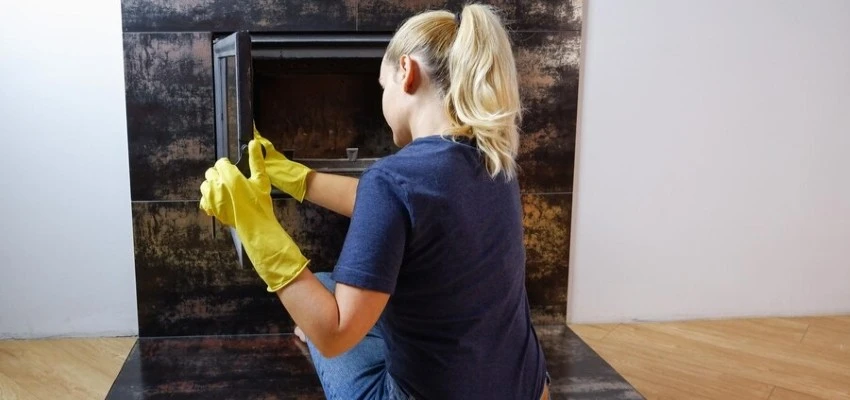
Control area vacuumed during Gas Fireplace Cleaning
Catch a weak thermocouple early with Gas Fireplace Maintenance

