
Maybe you just took over a property with a fireplace nobody explained to you. Maybe you have run the same stove for many winters and never thought much about the flue above it. Either way, looking up “chimney service” means you are already asking the right questions. This page gathers what people in West Vancouver usually want to know about chimney care, explained the way a technician would at your hearth.

A chimney needs sweeping because every fire leaves deposits inside the flue, and if they are never removed they turn into a fire hazard and an obstruction. The main culprit is creosote, a tarry residue from wood smoke that burns hot and fast once it ignites. Buildup also narrows the passage, so smoke drifts back into the room and fires get harder to start. A swept flue drafts better, smells less and gives whoever cleans it a clear view of the liner, damper and cap, which is often how cracks, rust and loose parts are caught while they are still small.
The phrase “chimney service” covers a range of work, and most companies offer it as a menu. The core is cleaning the flue, smoke chamber and firebox along with a visual or camera inspection. Common additions include fitting or replacing a cap, repairing or upgrading the damper, clearing nests or debris, dealing with odors and making small masonry or crown repairs. Larger jobs, such as relining or rebuilding, are usually quoted on their own. When you call, describe what you want to achieve and ask which items are standard and which are optional, so the visit matches your needs.
Smoke comes back into the room when the chimney cannot pull it upward fast enough, and the usual causes are a cold flue, a partly closed damper or a house that is short of air. Make sure the damper is fully open and start with a small, hot kindling fire so the flue warms gradually. Kitchen and bathroom fans can draw air down the chimney, so switch them off and open a nearby window slightly. Wet wood produces heavy smoke too. If smoke still spills in after those changes, a blockage or a problem with the chimney itself needs a professional look.
The obvious signs are noise, smoke and flames at the top, but the ones we look for are what a fire leaves behind. Creosote that has burned swells into a light, porous crust that looks a little like charcoal sponge. Clay tiles crack or shift, metal liners and caps can buckle or turn blue, and the mortar near the top may show heat damage. We sometimes find these marks in chimneys whose owners had no idea anything happened, because a slow fire can burn out on its own. That is why a camera inspection is the usual next step whenever there is any doubt about a past fire.
On our visits the flue, smoke chamber, damper and firebox all get cleaned, working along the path of the smoke from the hearth up to the cap. We protect the floor and nearby furniture, seal the opening around our vacuum hose so dust stays contained, then work the flue with rods and a brush matched to the liner: stiff wire for clay tile, softer poly for stainless steel. The smoke chamber above the damper gets hand tools, because creosote clings to its sloped walls. Before and after, we look at the flue condition, often with a camera. At Chimney Sweep West Vancouver, the visit ends with a short walkthrough of what came out, how heavy it was and anything we would keep an eye on.

The cost of chimney work depends mostly on how many flues are involved, how easy they are to reach and how much each one needs. A single fireplace flue on a low roof costs less than a tall chimney on a steep roof or a building with several flues. Stoves and inserts that must be disconnected take longer. Heavy or glazed creosote, a blockage or an animal problem adds time and sometimes a return visit. Camera inspections, written reports, caps and repairs are often priced separately. Ask for a written quote that lists what is included so you can compare companies fairly.
Often they can, and it usually saves time and a second trip to the roof. A sweep and inspection pair naturally with a cap installation, a damper repair or sealing a small crack in the crown, provided the parts are on hand. Booking these together also means the technician sees the whole system at once. Some tasks, such as major masonry or liner work, may still need a separate day because of materials or curing time. Let the company know everything on your list when arranging chimney care, and ask which pieces can be grouped.
You can handle simple upkeep yourself, but the sweeping is usually a job for a professional, and creosote sweeping logs only loosen some deposits rather than replacing a real cleaning. Safe tasks include removing cold ashes, keeping the hearth clear, looking up the flue with a flashlight when the fire is out and checking the cap from the ground with binoculars. Full sweeping means roof work, brushes matched to the liner and a way to contain soot indoors, and it skips the inspection a trained technician does at the same time. Leave anything involving the liner, masonry or gas parts to professionals.
The biggest advantage of a chimney company that works nearby is familiarity with the buildings, weather and chimney styles of your area. Neighborhoods built in the same era tend to share construction details, so a nearby technician has likely seen your type of chimney many times. Local crews can also schedule more flexibly and return easily if a cap needs adjusting or you have a question later. Before booking, confirm the company works in your area itself rather than passing the job along, and ask for a clear arrival window. Recent reviews from nearby addresses are a useful check.

When the work is done, you should understand what was found, what was handled and whether anything needs attention later. That is how Chimney Sweep West Vancouver closes every job. Book your visit and leave with a clear picture of your chimney.
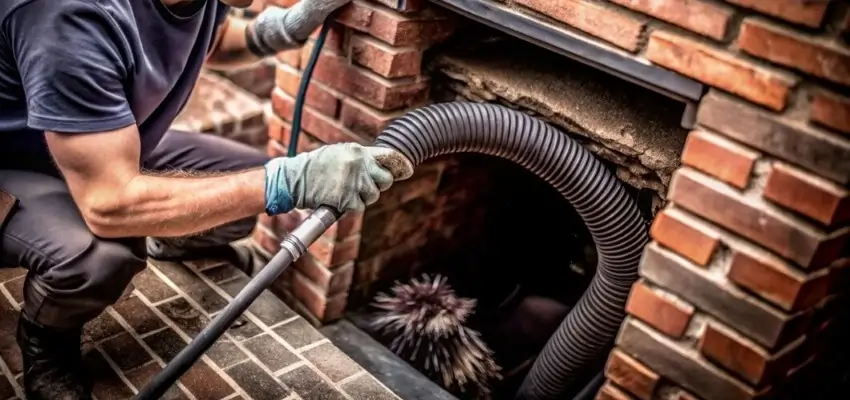
Chimney Cleaning that lifts soot and creosote in West Vancouver
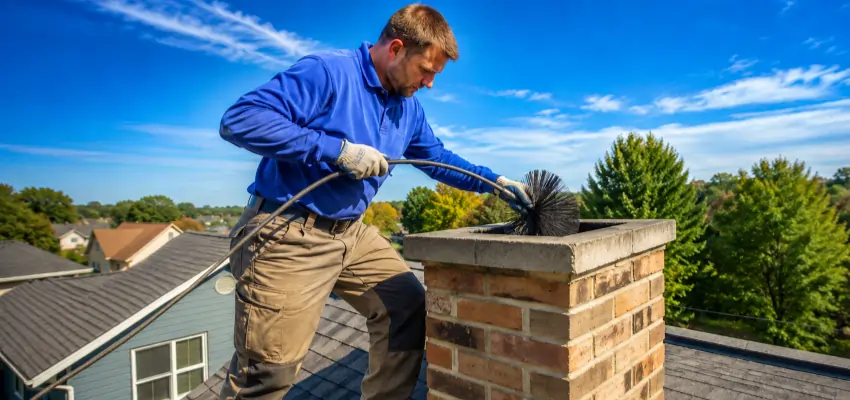
Why West Vancouver homeowners book Chimney Sweep visits yearly
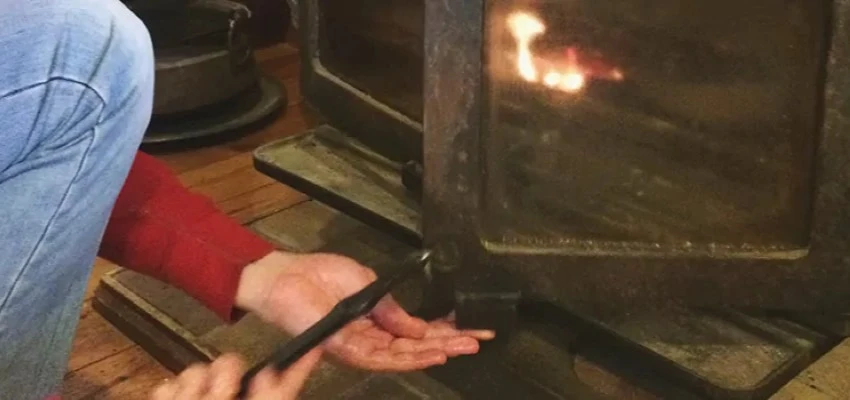
Swept and checked: Chimney Sweep Services in West Vancouver
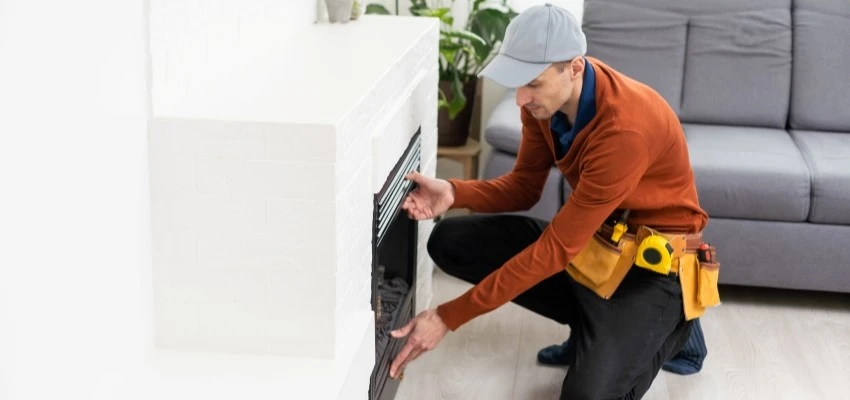
Ready for the season with Fireplace Experts in West Vancouver
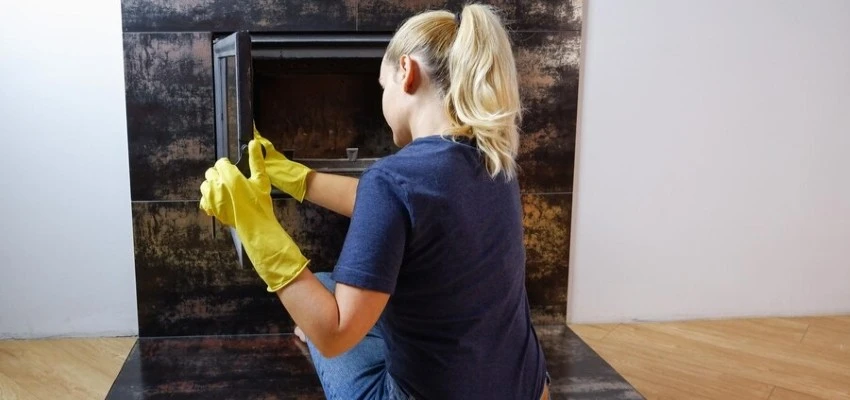
Control area vacuumed during Gas Fireplace Cleaning
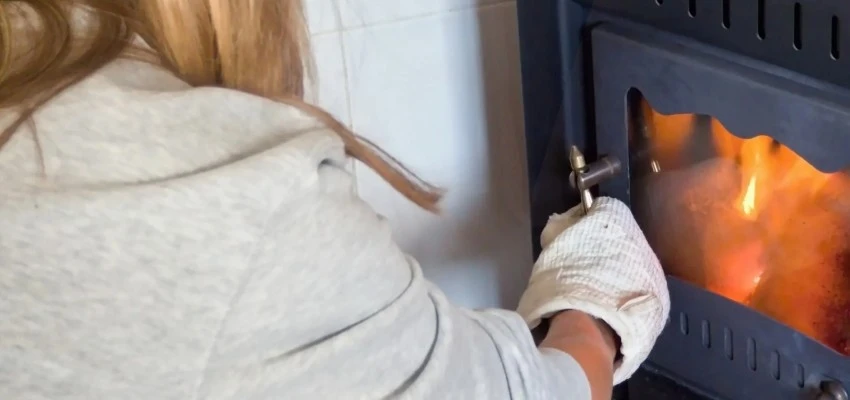
Catch a weak thermocouple early with Gas Fireplace Maintenance

