
Brick chimneys on older houses, insulated metal flues on newer ones, stovepipes, wood-fired ovens and boiler vents all move smoke the same basic way, yet each one ages differently. For property owners in West Vancouver researching “chimney soot cleaning”, the answers that follow explain soot cleaning in practical terms, with notes on the setups that come up most often and the details worth mentioning when you call a company.

An unswept flue slowly narrows and fills with fuel for a chimney fire, and stopping that is the short version of why we sweep. On the job, the deposits we pull out range from light, dusty soot to crusty flakes and shiny, hardened tar. Each layer makes the next one easier to form, because a rough, narrowed flue cools smoke faster. A neglected chimney also hides its own damage, since nobody can see a cracked tile or a gap in the mortar through a thick coat of buildup. Clearing it is what lets us tell an owner in West Vancouver whether the fireplace or stove is ready to use.
Soot and creosote are different deposits: soot is a dry, powdery carbon dust, while creosote is a tarry residue from wood smoke that can be flaky, sticky or glassy. Soot comes from incomplete burning and can be left by wood, oil or a gas appliance that is not running cleanly. It is lighter and brushes away easily, but it still narrows the flue and can hold moisture and odors. Creosote is the bigger fire concern because of its oily base. Seen from the firebox, soot looks like fine black powder, while creosote looks crusty, shiny or tar-like. A technician adjusts the cleaning to match.
Smoke spills in when the draft is weaker than the push of the fire, and we usually trace it to one of a few causes. In tight, well-sealed houses, exhaust fans and dryers create enough suction that the chimney becomes an air intake instead of an exhaust. Short chimneys, nearby trees or a taller roofline beside the stack can disturb the airflow at the top. Inside the flue, heavy creosote, a nest or fallen debris narrows the path. Sometimes the fireplace opening is simply too large for the flue. Finding which one applies takes a look from both ends, and the fix ranges from a habit change to a repair.
The smell comes from deposits reacting with moisture, and summer simply supplies more moisture. Creosote is porous, so on muggy days it soaks up water and releases the odor compounds trapped inside it. At the same time, a house with its windows shut and fans running often pulls outside air in through the easiest opening, which is frequently the chimney. We confirm that by feeling for a downdraft at the damper. Musty or rotten smells point elsewhere: water soaking into masonry, leaves decaying on the smoke shelf or an animal that died in the flue. Each cause has a different fix, so identifying it comes first.
Soot on the face of a fireplace, especially above the opening, usually means smoke is escaping into the room instead of rising up the flue. Common causes are a damper not fully open, a cold flue at start-up, a house short of fresh air, wet wood or buildup that has narrowed the chimney. Gas fireplaces can leave staining too when the burner is not running cleanly. The stain itself is a clue, so mention it when booking “chimney soot cleaning”. The technician can clear the flue and look for the draft problem that put the soot there in the first place.

During a chimney sweep, the technician scrubs the inside of the flue from top to bottom and removes the loosened buildup without spreading it through the room. A typical visit starts with drop cloths around the hearth and a powerful vacuum set up at the fireplace or stove opening. Brushes sized to the flue are run through on flexible rods, from below, from the roof or both. The smoke chamber, damper and firebox are cleaned as well. Most sweeps finish by checking the cap and the visible parts of the chimney and telling you what they saw, including anything that needs attention later.
A common guideline is to have a chimney inspected once a year and swept whenever that inspection finds meaningful buildup, which for a fireplace or stove used regularly usually means about once a year. Heavy users, such as households heating mainly with wood, may need sweeping more than once per season. A fireplace lit only a few times each winter may go longer between sweeps, yet it still benefits from the yearly look, because nests, water damage and cracks have nothing to do with how often you burn. Many sweeps regard about an eighth of an inch of buildup as the point where cleaning is due.
Start dry: vacuum loose soot with a brush attachment, then use a dry soot sponge, which lifts staining without smearing it deeper into porous brick. After that, a mild detergent solution and a soft brush handle most remaining marks; test a small, hidden spot first and rinse sparingly so the masonry does not stay soaked. Avoid harsh acids and wire brushes, which can damage mortar and stone. Wear gloves and protect the floor. These steps clean the visible surface, while soot cleaning deals with the flue where most of the soot originates.
A local company brings knowledge a visiting crew would have to guess at, and that is the main reason to hire one. Working the same area season after season, we learn which streets have older brick chimneys with clay liners, which developments used factory-built metal flues and where storms tend to loosen caps. We also know local burning habits and when the fall rush begins. That makes quotes more accurate and visits shorter. When you call around West Vancouver, ask where the crew is based and whether the same technician can come back for a follow-up.

Moving brings a long list of unknowns, and the condition of your chimney is one of them. A visit from Chimney Sweep West Vancouver replaces guesswork with a clear picture. Schedule soot cleaning as part of settling in.
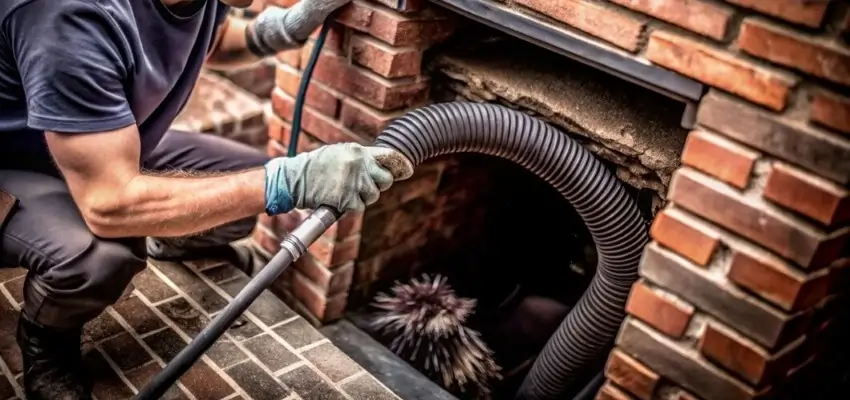
Chimney Cleaning that lifts soot and creosote in West Vancouver

Why West Vancouver homeowners book Chimney Sweep visits yearly
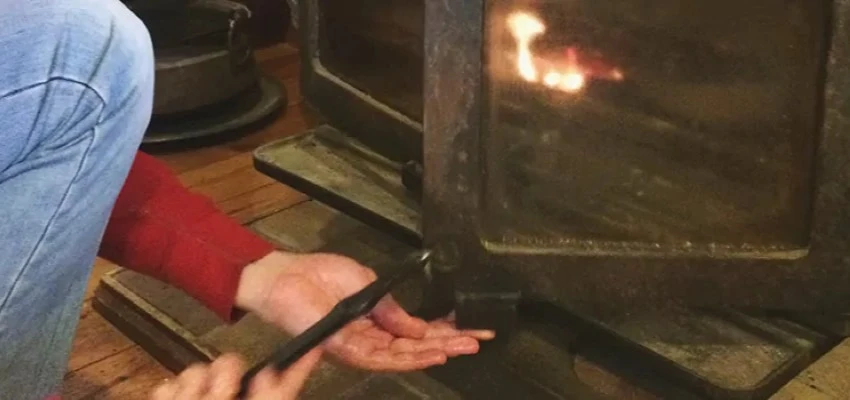
Swept and checked: Chimney Sweep Services in West Vancouver
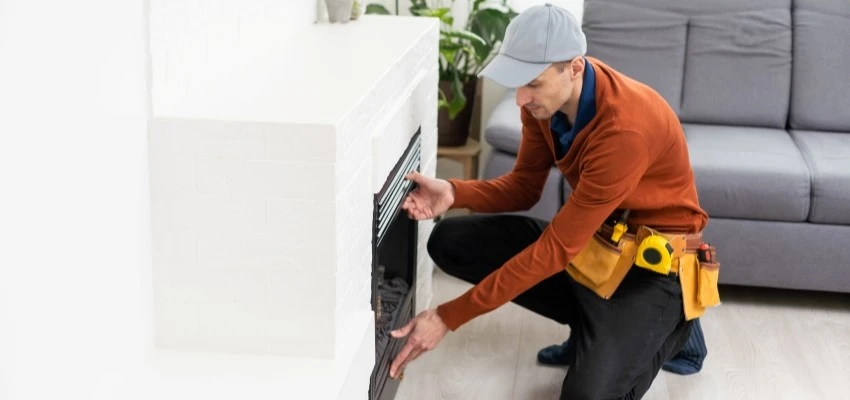
Ready for the season with Fireplace Experts in West Vancouver
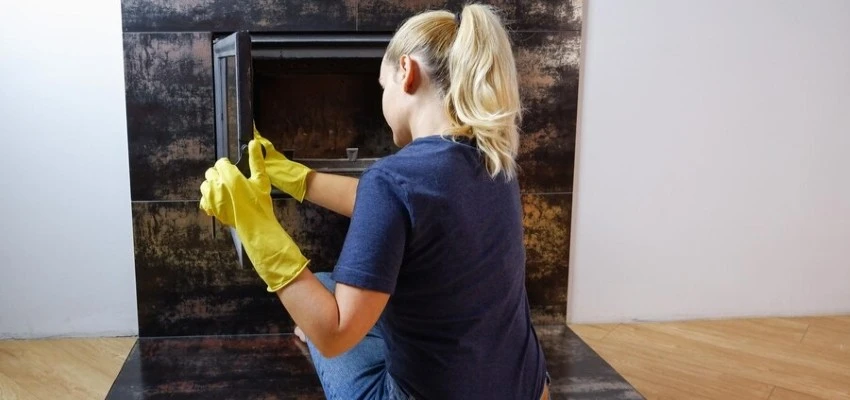
Control area vacuumed during Gas Fireplace Cleaning
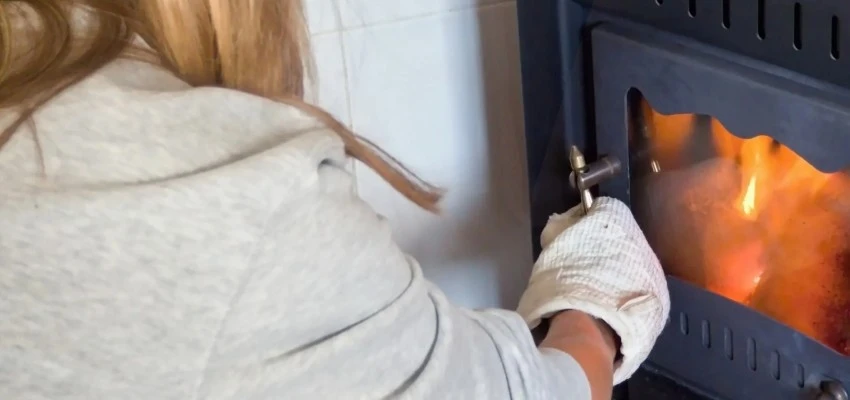
Catch a weak thermocouple early with Gas Fireplace Maintenance

