
Buying a home, getting ready to sell or simply planning the year’s upkeep can all bring the chimney into focus. An inspection report might mention it, or a neighbor might point out something odd on the roof. People in West Vancouver who search for “chimney tuckpointing” at moments like these want straight facts, and that is what this page offers: a calm, practical look at mortar joint repointing, what it involves and how to plan for it sensibly.

Tuckpointing is the repair of worn mortar joints between the bricks of a chimney. The old, crumbling mortar is raked or ground out to an even depth, and fresh mortar is packed into the joints in layers, then shaped so water runs off the face. Strictly speaking, the word once described a decorative technique using two mortar colors, but today most people use tuckpointing and repointing to mean the same job. The aim is to seal the joints again so rain cannot soak into the chimney, which keeps the bricks tight and protects the structure for many more years.
It depends on how deep the damage goes, not on how bad the surface looks. Spalled faces and eroded joints on an otherwise solid chimney are a repair job: fresh mortar, a few replacement bricks and attention to wherever the water is getting in. When the top courses rock under light pressure, when cracks run through bricks rather than just mortar, or when the stack has started to lean, patching only delays the inevitable. In those cases we take the chimney down to a sound course and rebuild upward. You should always see the evidence, ideally in photos, before agreeing to a rebuild.
The most common signs show up as water, debris or poor performance. Watch for:
Outside, look for white staining on the bricks, gaps in mortar joints and a cap or flashing that looks loose. Any one of these is worth a closer look by someone who can reach the chimney safely.
The main tools are an angle grinder with a diamond blade or a mortar-raking attachment to cut out old joints, plugging chisels and a hammer for detail work, a stiff brush or compressed air to clear the dust, and narrow pointing trowels to pack fresh mortar in. A jointer or striking tool shapes the finished joint to match the original profile. Masons use dust control and protection for the roof and windows, since grinding throws fine dust. Mortar is mixed in small batches so it stays workable. Seeing the right tools on site is a good sign your mortar joint repointing will be done carefully.
Tuckpointing is done joint by joint, and we start by testing a few to see how deep the damage goes and what mortar the chimney was built with. Older chimneys often have softer, lime-rich mortar, and a much harder modern mix next to it can crack the bricks over time. After grinding failed joints back to sound material and rinsing out the dust, we pack new mortar in thin lifts and strike it to match the existing joint profile. For color, we compare dried samples against the old joints rather than guessing. The chimney is kept out of hard rain while the new mortar sets.

It depends on the part being repaired. Caps, crowns, flashing, upper masonry, chase covers, chimney fans and top-sealing dampers are reached from the roof or from ladders set against the chimney. Throat dampers, fireboxes, ash dumps, cleanout doors and many vent connections are handled from inside the house or at ground level. Roof work is planned around the weather, the pitch of the roof and safe ladder placement. Homeowners should not climb up to inspect or repair a chimney themselves; binoculars from the yard or the technician’s photos will tell you what you need to know.
Anything from a morning to several days, depending on the part, the access and the material. A damper repair or cap swap rarely keeps us past lunch. Flashing and chase covers depend on the roof, so a steep pitch or fragile shingles add hours. Masonry is the slow one, not because the work itself drags but because mortar and crown concrete need dry, mild weather and time to firm up between steps. A full rebuild above the roofline can stretch over several visits. When we quote, we give you a working estimate and tell you plainly what could push it longer, such as hidden damage.
A clear hearth, a cold fireplace and room for a ladder cover most of what we need. We lay drop cloths in front of the fireplace, so a few feet of open floor helps, and glass doors or screens may need to come off. Outside, our ladders go on firm, level ground near the chimney; parked cars, garden beds and stored items in that spot slow the setup. We also like to know where the attic hatch or basement access is if the repair could involve them. Pets are happier in a closed room, since we will be going in and out of doors often.
At first they may, even when the color is well matched. Fresh mortar usually dries lighter or darker than old, weathered joints, and it can take months of sun and rain before the difference softens. Matching the sand color and the joint shape matters more than the cement, so ask to see a dried sample. Repointing a whole face of the chimney, rather than scattered joints, gives a more even look. If appearance is important to you, discuss it before the “chimney tuckpointing” work starts so expectations are set from the beginning.

If you have never had this done before, it helps to know what to expect. We walk you through the visit, how long it usually takes and what you will see when we finish. Start with a quote and ask us anything along the way.
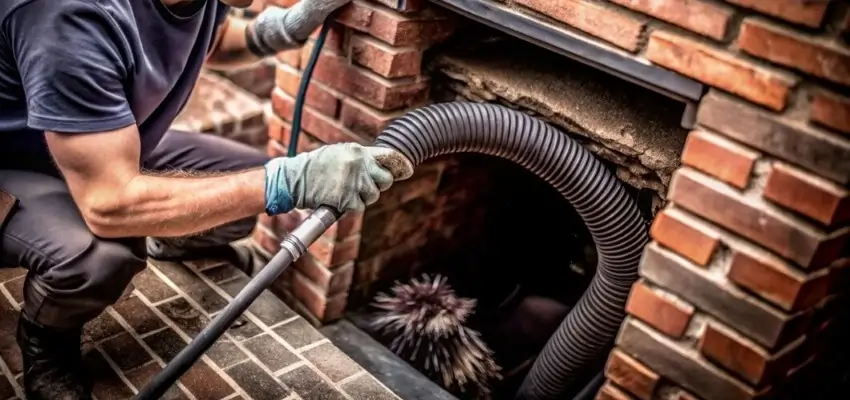
Chimney Cleaning that lifts soot and creosote in West Vancouver
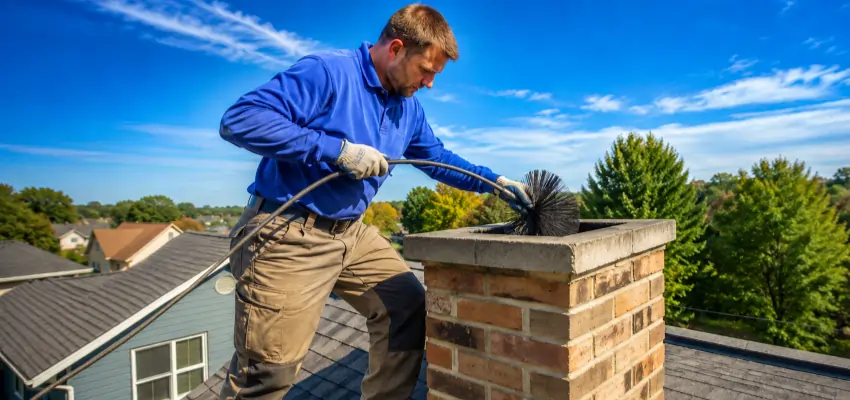
Why West Vancouver homeowners book Chimney Sweep visits yearly
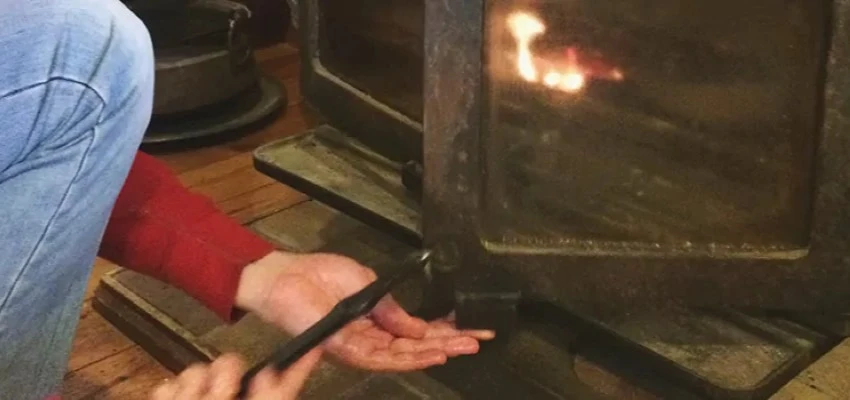
Swept and checked: Chimney Sweep Services in West Vancouver
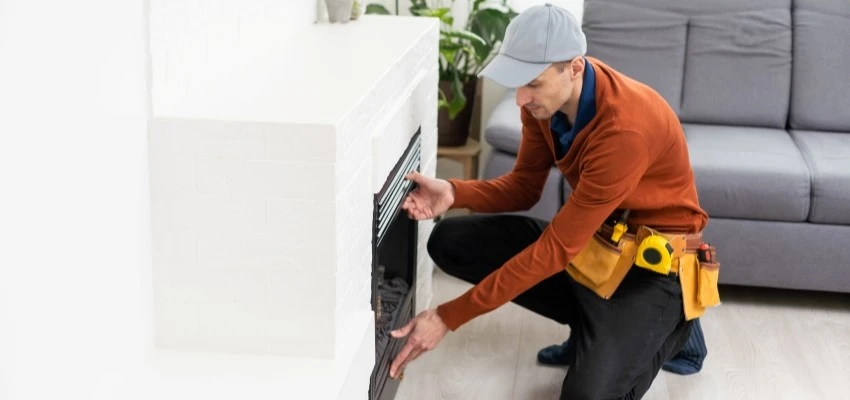
Ready for the season with Fireplace Experts in West Vancouver
Control area vacuumed during Gas Fireplace Cleaning
Catch a weak thermocouple early with Gas Fireplace Maintenance

