Our crews hear the same questions on almost every roof and in almost every living room, so we wrote them down. If “cracked chimney bricks repair” is what brought you here, you will find honest explanations of chimney brick repair for homes around West Vancouver, the kind a technician would give while pointing at the chimney itself. Some answers deal with safety, some with cost factors and timing, and a few simply explain how the parts of a chimney work together.
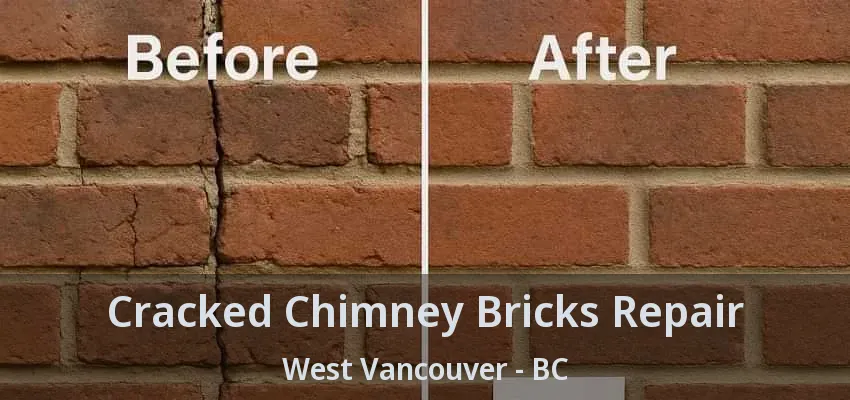
Most cracks come from movement or moisture. Settling of the footing, heat cycles from the fireplace, freezing water inside the brick and mortar that is harder than the brick all create stress that the brick relieves by cracking. Steel parts such as an old lintel or brackets can rust and swell, pushing bricks apart. Cracks that follow the mortar in a stair-step pattern often point to settlement, while cracks running straight through the face of bricks suggest stress or freeze damage. Knowing the cause is the first step in any “cracked chimney bricks repair” plan, since fixing the source keeps new bricks from cracking too.
It depends on how deep the damage goes, not on how bad the surface looks. Spalled faces and eroded joints on an otherwise solid chimney are a repair job: fresh mortar, a few replacement bricks and attention to wherever the water is getting in. When the top courses rock under light pressure, when cracks run through bricks rather than just mortar, or when the stack has started to lean, patching only delays the inevitable. In those cases we take the chimney down to a sound course and rebuild upward. You should always see the evidence, ideally in photos, before agreeing to a rebuild.
Yes. A crack gives rain a direct path into the masonry, and from there water can travel down to the firebox, the attic framing or the walls beside the chimney. In cold weather, water in the crack freezes and widens it a little more each time. You might notice stains on the ceiling near the chimney, damp smells after storms or white deposits on the brick face. Hairline cracks in mortar joints are common and minor, but cracks through bricks or wide gaps deserve attention before the next wet season. Mention any stains when you arrange chimney brick repair.
Chimney bricks usually crumble because water gets into them and then freezes, evaporates or carries salts to the surface. In cold weather, trapped moisture expands as it freezes and pops off the face of the brick, which is called spalling. In milder climates, repeated wetting and drying and salt deposits slowly break down the surface instead. Mortar that is harder than the brick, often from an earlier repair, makes things worse because it forces the brick to take the stress. Crumbling bricks are a signal to find and stop the water source, not just to swap out the damaged units.
A leaking chimney almost always has one of a few causes: a missing or damaged cap, a cracked crown, failed flashing where the chimney meets the roof, or porous bricks and mortar soaking up rain. On factory-built chimneys, a rusted or flat chase cover is a frequent culprit. Water may show up far from where it enters, running along the flue or the framing before it appears as a stain. Note when the leak happens, whether in every rain or only when wind blows from one direction, and where you see it. Those details help narrow down the source quickly.
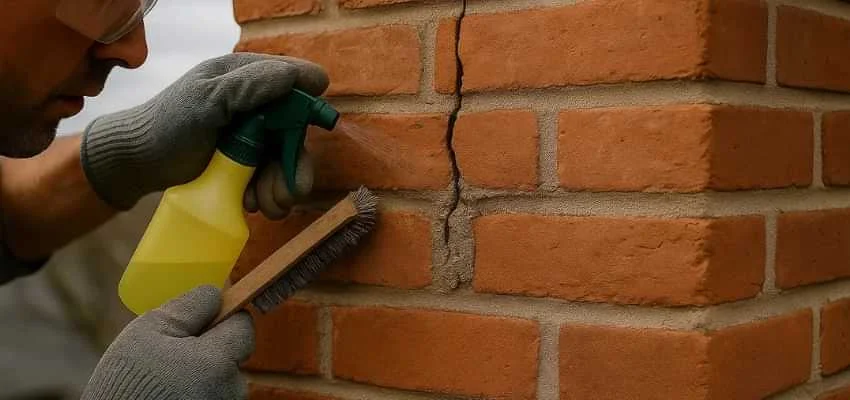
A chimney needs tuckpointing when its mortar joints are cracked, recessed or crumbling. Look for joints that sit noticeably deeper than the brick face, sandy mortar that could be scratched out with a key, hairline cracks running along the joints and dark voids where mortar has fallen out. Grit collecting on the roof or in the gutter below the chimney is another clue. Binoculars from the ground or a photo taken from a safe window give you a good view without climbing. If more than a few scattered joints look this way, repointing is usually due.
Not every repair needs the roof, and when one does, we plan safe access before we arrive. Work at the top of the stack means ladders, roof brackets or harnesses tied to a secure anchor, plus soft-soled footwear and pads to protect shingles. Steep or high roofs may call for extra equipment or a second technician. Wet, icy or very windy weather puts roof work on hold, because no repair is worth a fall. Jobs at the bottom of the chimney, such as an ash dump, a throat damper or a stove connection, keep us indoors, where the main concern is protecting floors and furniture from soot and dust.
Well-done tuckpointing typically lasts many years, often decades, before the joints need attention again. How long it holds depends on the mortar mix, the quality of the work, the weather the chimney faces and whether the water problems above it were fixed. A chimney with a sound crown, a good cap and working flashing keeps its new mortar far longer than one where water still pours over the top. Sides that catch driving rain or repeated freezing wear faster. A yearly look at the joints lets you repoint small areas as they wear instead of redoing the whole chimney.
Preparing for chimney repair mostly means clearing access inside and out. Stop using the fireplace or stove at least a day before so the firebox and flue are cool, and move decorations, screens, tools and furniture away from the hearth. Outside, move vehicles, patio furniture, planters and grills away from the side of the house where ladders will go, and unlock any gates. Let the company know about pets, an alarm system or anything fragile near the chimney. If the job involves the attic or basement, such as tracing a leak or emptying an ash pit, clear a path there too.
If another company gave you a recommendation that does not feel right, we are happy to take a fresh look. You will get our honest view of your chimney, with no pressure either way. Ask Chimney Sweep West Vancouver for a second look in West Vancouver.
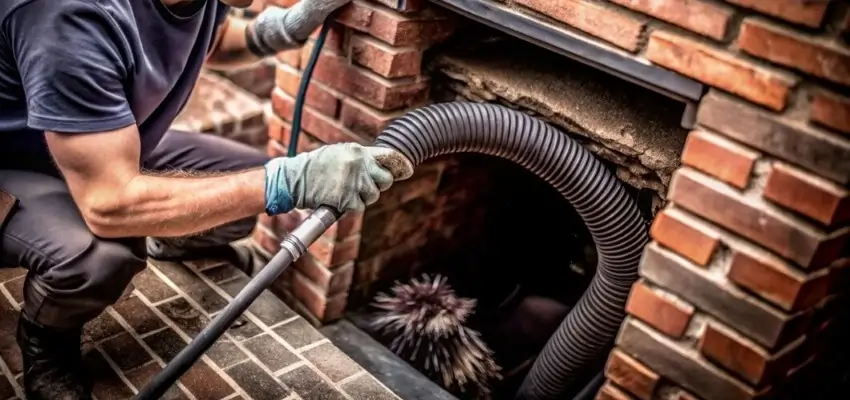
Chimney Cleaning that lifts soot and creosote in West Vancouver
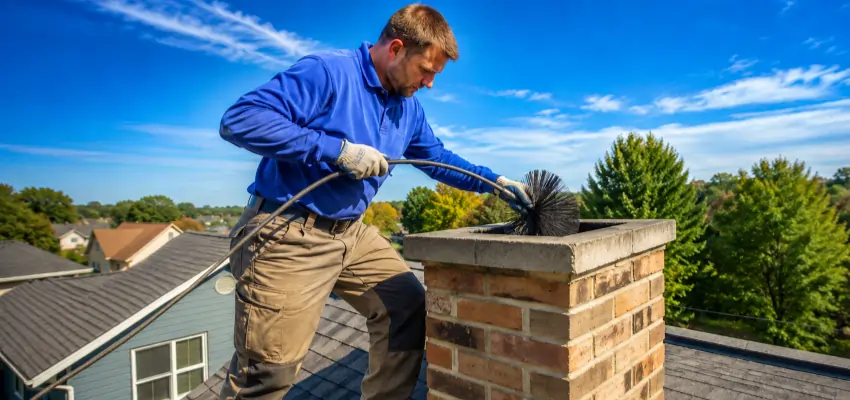
Why West Vancouver homeowners book Chimney Sweep visits yearly
Swept and checked: Chimney Sweep Services in West Vancouver
Ready for the season with Fireplace Experts in West Vancouver
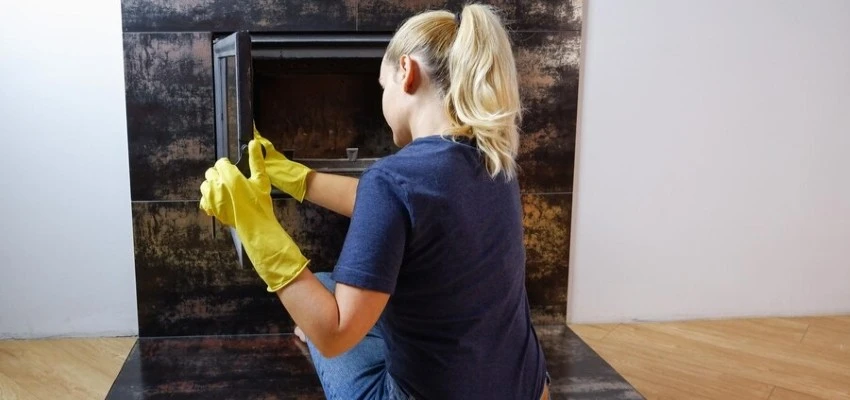
Control area vacuumed during Gas Fireplace Cleaning
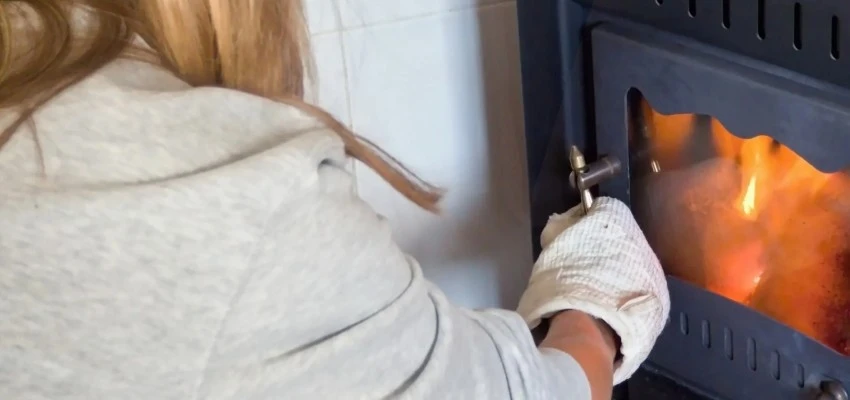
Catch a weak thermocouple early with Gas Fireplace Maintenance