
Whether you own a detached house, a townhouse or a condo, a dryer vent works the same way: warm air and lint travel from the drum to an opening outside. What changes is the route, and the route decides how quickly lint builds up. For homeowners and landlords in West Vancouver researching “dryer vent inspection”, the answers that follow explain dryer vent inspection in practical terms, with notes on the setups that come up most often.
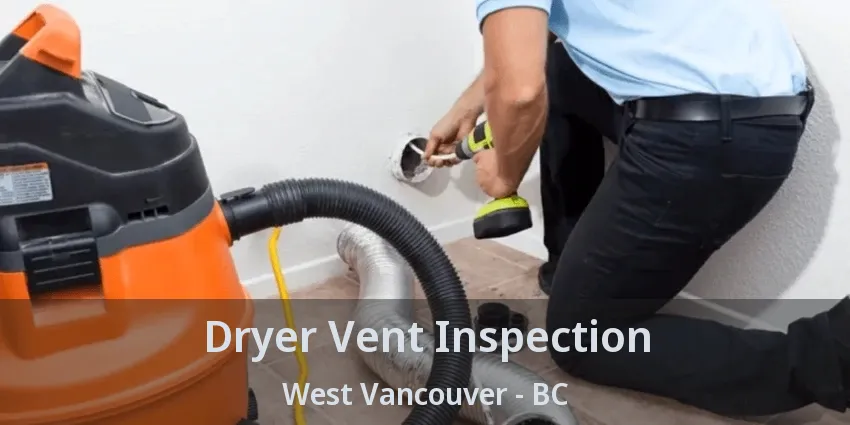
Our cleaning method is nearly identical for both, but we handle a gas dryer with a little more care. Its exhaust carries combustion byproducts as well as moist air, so a restricted vent is about more than drying time. When we pull a gas unit away from the wall, we move it slowly to avoid straining the flexible gas connector, and we make sure nothing is kinked once it is back in place. We also remind homeowners to test their carbon monoxide alarms regularly. With electric models, our extra attention goes to the heavy power cord and the outlet as the machine slides out.
It can. Lint is light, dry and burns easily, and a clogged vent traps both lint and heat close to the dryer’s heat source. Dryers have safety switches that cut the heat when temperatures climb too high, but those parts can wear out, and a blocked vent makes them trip far more often. The risk for any single home is modest, yet it is real enough that keeping the vent clear is widely recommended. Empty the screen every time you use the dryer, avoid running it when nobody is home and have the vent cleaned if drying times are getting longer.
Yes. An inspection assesses the vent, while a cleaning removes what is inside it. During an inspection, a technician checks the material, route, joints, length, airflow and exterior hood, and may use a camera on hidden sections. A cleaning focuses on clearing lint from the hose, duct and hood. Many homeowners book both together, since the inspection shows what needs attention and the cleaning deals with the buildup right away. If your search for “dryer vent inspection” came from a home inspector’s note or a new dryer purchase, ask whether the visit includes cleaning or only the assessment.
Trapped moisture almost always means the exhaust is moving too slowly, and it is one of the more useful clues we get. Every load of wet laundry releases a surprising amount of water as vapor, and all of it has to travel through the duct. If the air slows down, it cools before it gets out, and the water drops out inside the pipe. We find this most in long runs through unheated attics, garages and crawlspaces, and in ducts that sag and let water pool. Wet lint turns into a paste that blocks airflow faster than dry lint does. Correcting the slope, insulating exposed sections and clearing the buildup usually solves it.
We suggest an inspection at a few natural checkpoints. Buying a home is the big one, because previous owners rarely know how their vent was installed. A new dryer is another, since modern machines may have a different outlet position or airflow needs than the one they replace. Renovations matter too; more than once we have found a vent disconnected inside a freshly finished ceiling. Beyond those moments, an inspection makes sense whenever drying slows without an obvious cause. It tells you whether the issue is lint, damage or the layout itself, which changes what the right fix looks like.

The clearest sign of a clogged dryer vent is laundry that takes longer to dry than it used to. Other clues tend to show up alongside it:
One sign alone may have another cause, but two or three together usually point to a restricted vent that deserves a proper check.
We clean roof vents from the laundry side first and finish at the cap, and they are some of the most packed vents we see. Lint travels up the vertical section, loses speed and falls back, so it builds in layers near the bottom of the riser and again at the cap. Many roof caps were never designed for dryers and have small openings or screens that collect lint quickly. Our rods have to be long enough for the full rise, and we only go up to the cap when the weather and pitch make it safe to be on the roof. Sometimes we suggest a cap made for dryer exhaust, which stays clear much longer.
It can be a smart step. Home inspectors working for buyers often comment on dryer vents, flagging foil hoses, missing hoods or vents that end in the wrong place. Finding those issues first lets you fix them on your schedule instead of negotiating them later. A pre-sale “dryer vent inspection” visit also gives you a written record to share with buyers, which shows the home has been looked after. If the vent needs cleaning or a small repair, it is usually quick to handle before listing. Buyers can benefit too, by asking for an inspection as part of their due diligence.
Yes, someone usually needs to be home for dryer vent cleaning, since most of the work happens indoors at the dryer. An adult who can let the technician in, point out the laundry area and answer a question or two is enough. Plan to be around at the end as well, when the dryer is reconnected and tested and the results are explained. If you cannot be there, ask whether a family member, neighbor or property manager can stand in. For rental homes in West Vancouver, landlords often arrange access with tenants ahead of time so nobody is caught off guard.

If you can safely snap a picture of what worries you, mention it when you get in touch. It helps the technician bring the right tools and plan the visit. Reach out to Chimney Sweep West Vancouver and we will tell you how to share it.
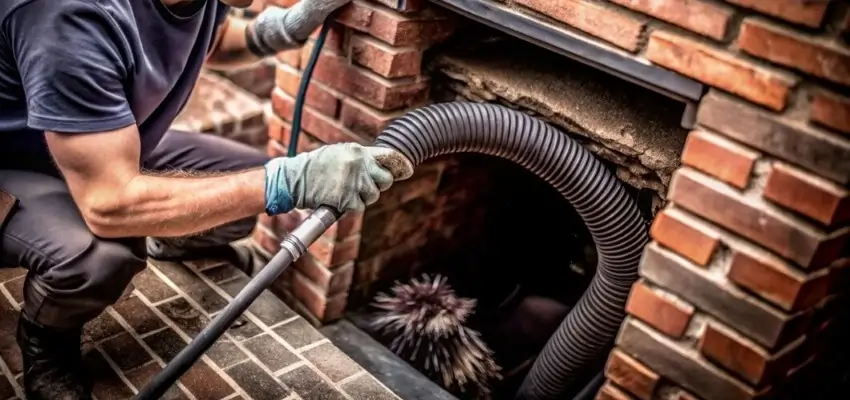
Chimney Cleaning that lifts soot and creosote in West Vancouver

Why West Vancouver homeowners book Chimney Sweep visits yearly
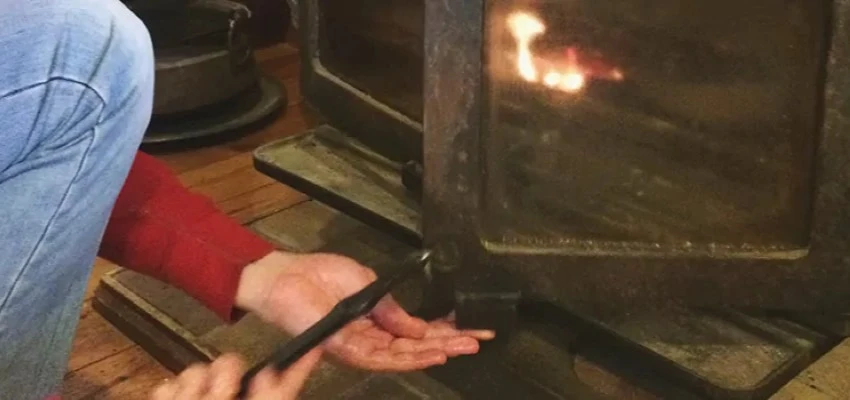
Swept and checked: Chimney Sweep Services in West Vancouver

Ready for the season with Fireplace Experts in West Vancouver
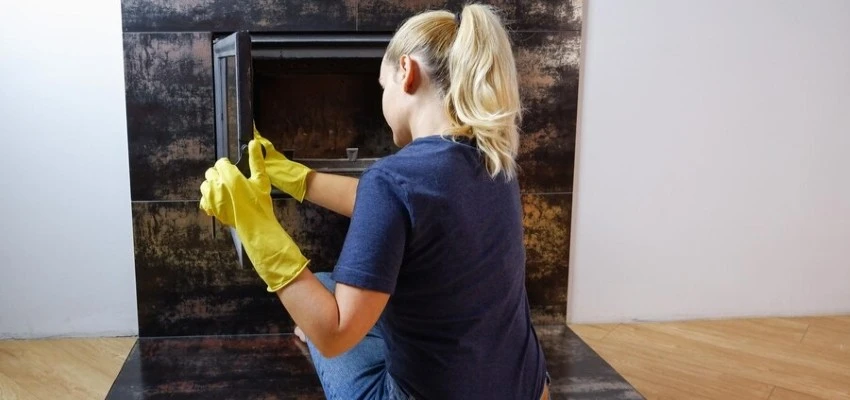
Control area vacuumed during Gas Fireplace Cleaning
Catch a weak thermocouple early with Gas Fireplace Maintenance

