
A fireplace or wood stove is part heater, part centerpiece and part exhaust system, and each part needs its own kind of attention. Homeowners in West Vancouver who search for “fireplace contractors” often start with one problem and discover that the whole picture matters. Here you will find straightforward answers about fireplace repair and upkeep, from the basics of creosote and drafts to choosing who works on your home. Dip into whichever answers match your situation.

You know it is time when the flue shows visible buildup or the fire starts behaving differently. With everything cold, shine a flashlight up past the open damper or into the stove outlet: a layer of soot or creosote that you can scrape with a poker is a common sign. Other clues include fires that are harder to start or keep going, smoke lingering in the room, a strong smoky smell, black flakes falling onto the hearth and stove glass that darkens quickly. If nobody remembers the last cleaning, that alone is a good reason to book one.
A routine cleaning or inspection usually takes about one to two hours, and a combined sweep and inspection can run a little longer. Time depends on how much creosote has built up, how tall the chimney is, whether the roof has to be accessed and whether a stovepipe must come apart. Glazed deposits and any small repairs agreed on during the visit add time, while larger masonry work is normally scheduled separately. Plan to be home for the whole visit and allow a few minutes at the end to go over the findings. Describing your setup when booking helps the company estimate the time.
The cost depends mainly on how much work the visit involves and how hard the chimney is to reach. Key factors include the height of the chimney and the pitch of the roof, the number of flues, how much creosote has built up and whether it has glazed, and whether the visit includes an inspection or a camera scan. Stoves with pipe to take apart and older fireplaces with rough smoke chambers can add time. Repairs and parts are normally quoted separately. A written quote that lists what is included makes it easier to compare companies fairly.
The most useful details are the type of appliance, the height of the house, when it was last serviced and what you have noticed. Say whether you have a masonry fireplace, a factory-built fireplace, an insert or a freestanding stove, and roughly how many stories the chimney passes. Mention how often you burn and any symptoms, such as smoke in the room, odors, loose bricks or a damper that sticks. Photos of the fireplace opening or stove and of the chimney top are a bonus. A steep roof or a shared wall in a townhouse is worth noting too, since access shapes the visit.
There is no need to clean the fireplace or stove before the visit, although clearing out a deep pile of completely cold ash is helpful. Technicians empty the firebox as part of the job and can learn something from what is there, such as how much creosote is falling or whether bricks are flaking. What matters most is that the ashes are cold, which can take several days after the last fire, since buried embers stay hot far longer than they look. Do take out unburned logs, kindling and decorations so the firebox is easy to reach.

Local knowledge is the main reason: after enough visits in one area, we know its chimneys almost by heart. We learn which subdivisions have factory-built fireplaces from the same period, which older streets have unlined masonry flues and how local freezes, heat waves or storms treat crowns and caps. That background makes quotes more accurate and visits quicker. It also means Chimney Sweep West Vancouver is close by if something comes up later or you want a second look. For homeowners in West Vancouver, that familiarity usually saves time on the first visit and every one after it.
A written agreement should spell out the scope, materials, schedule and cleanup, so everyone shares the same picture of the job. Look for a description of what will be removed and rebuilt, the type of firebrick, mortar or tile planned, and how long the work and any cure time will take. It should explain how dust is controlled, how debris leaves the property and what happens if hidden damage turns up. Payment timing belongs in writing too. Clear paperwork protects both sides and makes it easy to check the finished work against what was promised.
Ask about scope, evidence and pricing, since those answers reveal most of what you need to know:
It is also fair to ask whether they work on your type of appliance. Specific, confident answers are reassuring; vague ones are a cue to compare another company.
Fireplace contractors usually fall into a few groups: service companies that sweep, inspect and handle common repairs; masons who rebuild fireboxes, chimneys and stone or brick surrounds; and installers who fit stoves, inserts and factory-built units. Some businesses cover all three. When you search for “fireplace contractors”, it helps to match the problem to the trade, since a crew that builds new surrounds may not sweep chimneys, and a sweep may not lay brick. Describe the issue clearly and ask which parts of the job the company handles with its own people.

We would rather explain one thing clearly than list ten things you do not need. Ask us what matters for your home in West Vancouver and we will give you a straight reply. Get in touch with Chimney Sweep West Vancouver whenever you are ready.
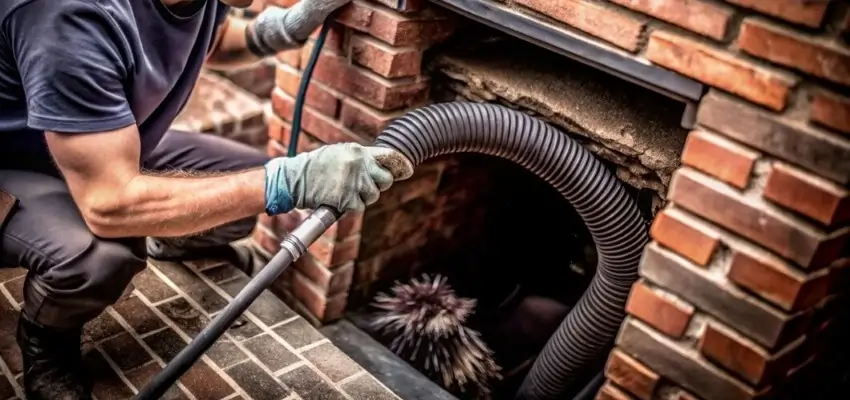
Chimney Cleaning that lifts soot and creosote in West Vancouver

Why West Vancouver homeowners book Chimney Sweep visits yearly
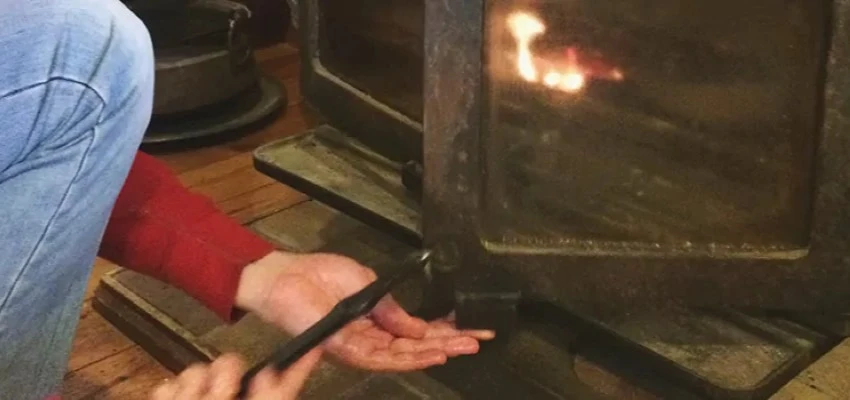
Swept and checked: Chimney Sweep Services in West Vancouver
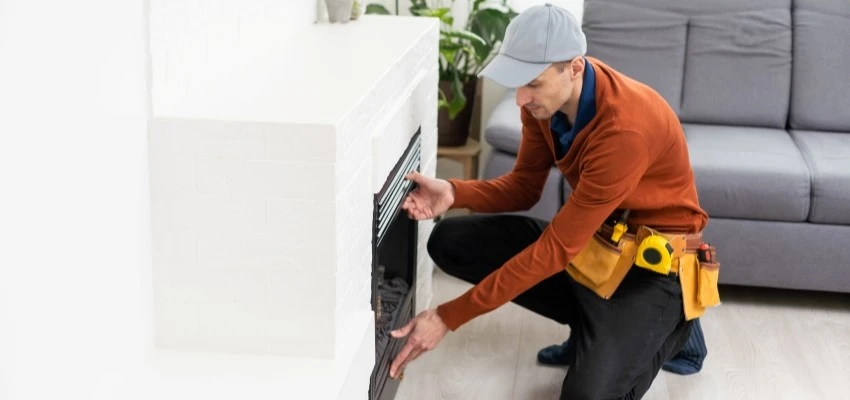
Ready for the season with Fireplace Experts in West Vancouver
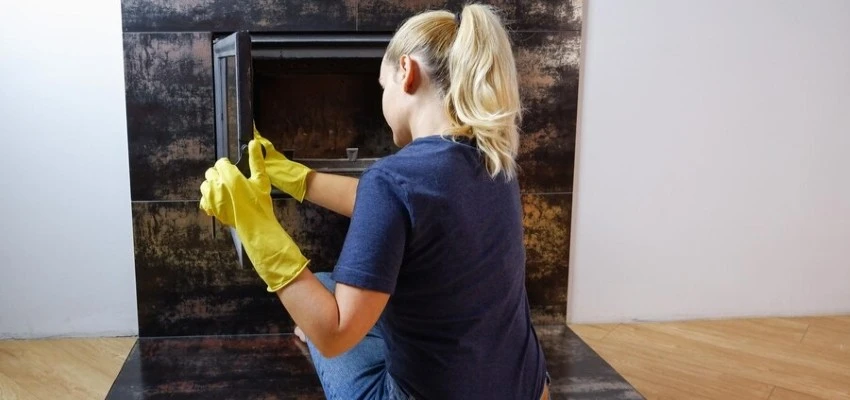
Control area vacuumed during Gas Fireplace Cleaning
Catch a weak thermocouple early with Gas Fireplace Maintenance

