
Before anyone picks up a hammer or a trowel, a fireplace project needs a plan, and that plan starts with understanding the fireplace you already have. People in West Vancouver who look up “fireplace conversion services” will find that groundwork laid out below: clear answers about fireplace conversion, the checks that should come first and the questions worth putting to any contractor you are considering. Read what applies to your home and skip the rest.

The main options are a gas insert, a gas log set or replacing the fireplace with a built-in gas unit. An insert is a sealed box that fits the existing opening and vents through a liner in the chimney; it gives the most heat and control. Gas logs sit in the firebox and give the look of a fire with modest heat, and vented sets need the damper kept open. A full replacement suits a fireplace that is damaged or badly placed. Electric inserts are another choice where gas is not available. The right option depends on how you want to use the fireplace.
The problems that concern us most are the ones that let heat or smoke go where they should not. Open cracks in the firebox, mortar joints washed out deep enough to catch a fingernail, a smoke chamber shedding chunks onto the smoke shelf and a damper plate rusted through all fall into that group. Cosmetic issues, like hairline crazing in a tile surround or a scuffed mantel, can be planned around your schedule. When homeowners send photos, we usually ask for three: the firebox walls, the view up past the damper and the outside of the chimney.
For some homes it is. An electric insert slides into the existing opening, plugs into an outlet and produces a flame effect with modest heat, so it needs no gas line or venting. It suits homeowners who mainly want the look of a fire, live where gas is not available or want to avoid combustion indoors altogether. The trade-offs are less heat than a gas insert and a flame that is a visual effect rather than real fire. The chimney should still be capped or sealed against drafts. If you are weighing options for fireplace conversion, ask to see both types running before you decide.
A careful crew protects the room with drop cloths, plastic sheeting and tape before any cutting, chipping or grinding starts. Masonry and tile work create fine dust, so the fireplace opening is often sealed and a vacuum with fine filtration runs during the dustiest steps. The flooring in front of the hearth and the path to the door should be covered too. Expect some noise and a little dust despite the precautions, especially if old mortar or a surround is being removed. Ask how cleanup is handled at the end of each day and once the job is done.
The ideal start is an empty room around a cold fireplace. We need space to set up dust protection, a route for heavy materials such as stone or a mantel and somewhere to mix or cut outside. Take down pictures or a TV mounted above the opening, since vibration from chipping can loosen them. Let us know about alarms, pets and parking. If a gas line is involved, the gas technician may need access to the meter or the basement. Final finish choices, like grout color or stain, should be settled before day one so the job does not stall.

Yes, a gas conversion needs a gas supply at the fireplace, and running it is work for a qualified gas technician. If the house already has natural gas, the technician checks whether the existing supply can handle the extra appliance and plans a route for the new line. Homes without natural gas may be able to use propane with a tank and an appliance set up for it. Ask about it early when you request quotes after searching for “fireplace conversion services”, since the gas line can be a significant part of the job and sometimes needs a permit.
Ask the contractor for a specific date, because it depends on the materials used. Mortar, refractory cement and some adhesives need time to cure before they face heat, and lighting a fire too soon can crack fresh joints or loosen new finishes. After masonry work, the first fires are usually kept small to drive out remaining moisture gradually. Gas conversions are tested by the installer before handover. Keep the first few fires modest, watch for smoke in the room and make sure your smoke and carbon monoxide alarms work.
Local contractors know the housing stock, the common fireplace designs and the suppliers nearby, which makes planning and follow-up easier. Builders in the same neighborhoods often used similar fireboxes, dampers and surrounds, so a company that works the area has usually seen your setup before. Nearby crews can also return quickly when a project spans several visits for curing or materials. Before hiring, confirm the company works in your area directly, ask for local examples of similar work and check how it handles questions after the job is done.
Ask to see their work, inside the firebox as well as on the wall. A company that does fireplaces well can show you finished surrounds and mantels, but also the less glamorous jobs: rebuilt fireboxes, parged smoke chambers and replaced dampers. Those pictures tell you it understands the working parts, not just the decoration. Listen for questions about your chimney and how you use the fireplace. A contractor who mentions an inspection before quoting, explains curing time and says which parts of the job go to a gas technician or other specialist is usually a safe pick.

You do not need to know the right terms before you call. Describe the problem in your own words and we will translate it into a plan for your fireplace. Reach us at (778) 719-4326 or ask for a quote online, whichever is easier for you.
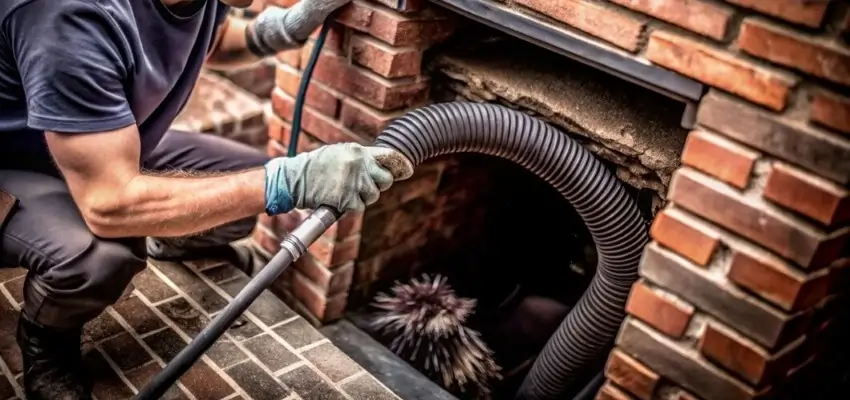
Chimney Cleaning that lifts soot and creosote in West Vancouver
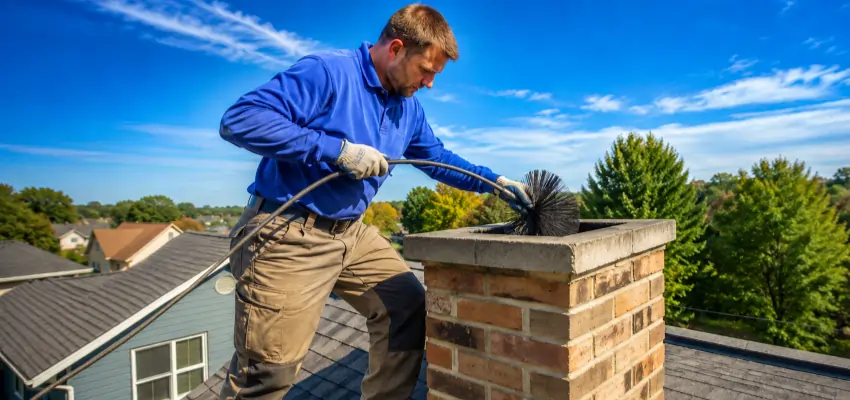
Why West Vancouver homeowners book Chimney Sweep visits yearly
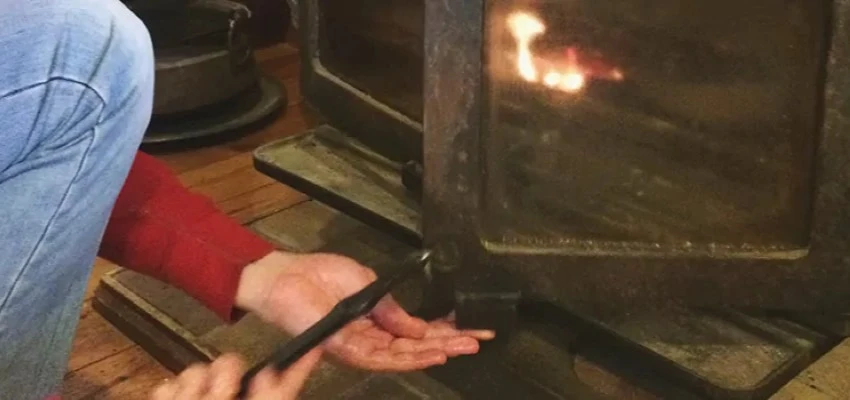
Swept and checked: Chimney Sweep Services in West Vancouver
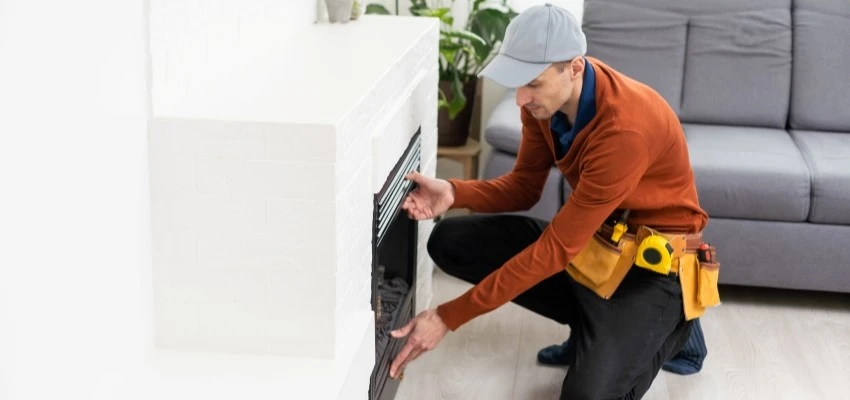
Ready for the season with Fireplace Experts in West Vancouver
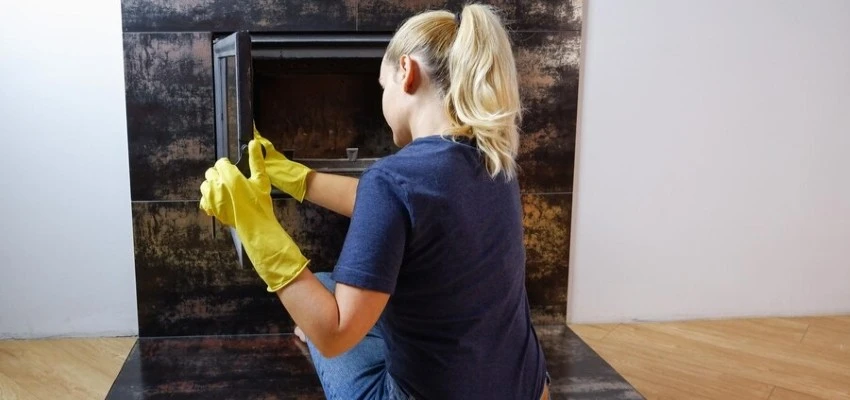
Control area vacuumed during Gas Fireplace Cleaning
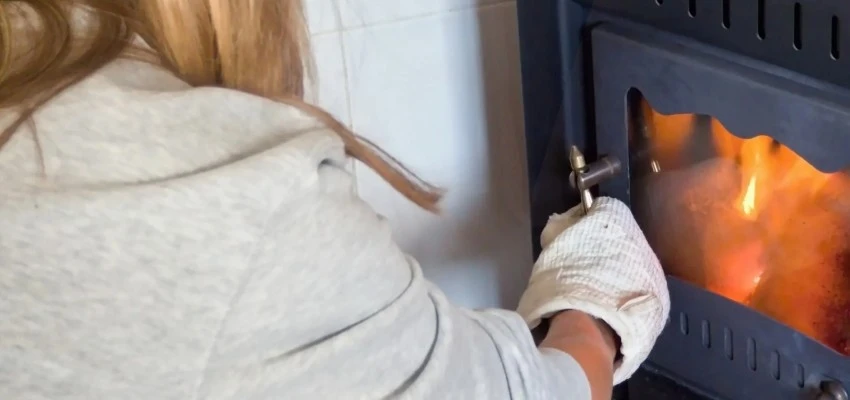
Catch a weak thermocouple early with Gas Fireplace Maintenance

