
Smoke, soot and heat are hard on masonry and metal, even when everything looks fine from the living room. Most of the wear happens inside the flue, where nobody notices it until a problem shows up. If “fireplace experts” is what brought you here, this guide walks homeowners in West Vancouver through fireplace service in practical terms: what to watch for, what a visit involves and how to keep your fireplace in good working order.

Regular care catches problems that build slowly and out of sight, and a fireplace that has gone years without a visit shows exactly that pattern. The flue carries a crust of creosote, the cap is clogged with leaves or missing, and joints in the firebox have eroded from repeated heating. None of it happened overnight, and most of it would have been a simple fix earlier on. Neglect also hides things like a cracked flue tile or a rusted damper, which only show up when someone looks. Routine service is really about knowing the condition of a system you trust with an open flame indoors.
Creosote is the dark residue that forms when wood smoke cools and condenses inside a chimney or stovepipe, and it matters because it burns. It starts as dry, flaky soot, can thicken into a crunchy or sticky tar and at its worst becomes a hard, shiny glaze. A thick layer can ignite and cause a chimney fire. Creosote builds faster when wood is damp, when fires smolder with too little air and when the flue stays cold, as it often does in a chimney on an outside wall. Burning dry wood with a lively flame and having the flue swept when buildup appears keeps it under control.
A fireplace or stove needs cleaning when the flue turns matte black and furry with deposits, or when fires start losing their pull. We judge it by thickness and texture, but homeowners can spot the effects from the hearth. Fires get lazy, drafts weaken and the room picks up a stale smell between uses. In stoves, the glass blackens faster and the baffle collects a crust. Heavy users often reach that point before the season ends, while occasional users may go a full year or more. When in doubt, a quick inspection settles it without guesswork.
Smoke spills when the house wins a tug-of-war with the chimney. A warm chimney pulls air upward; anything that weakens that pull lets smoke roll out of the opening instead. On calls like this we check the damper first, then look up the flue for blockages, then consider the house itself, because range hoods, dryers and tight windows can make the home pull harder than the chimney. Sometimes the opening is simply too large for the flue, or the chimney is too short for nearby rooflines. Each cause has its own fix, from a smoke guard to a taller flue or a better air supply.
One to two hours covers most cleaning and inspection visits we make, with the chimney deciding which end of that range applies. Setup and floor protection take a few minutes, brushing takes the bulk of the time, and clean-up plus a walkthrough close things out. Tall chimneys, steep roofs and several flues stretch the visit, as do thick layers that need extra passes or special tools. Repairs are their own matter: a damper handle may be fixed on the spot, while firebrick or crown work gets a separate appointment. Since time shapes the price, an accurate description up front helps everyone.

We ask about the appliance, the house and the symptoms, because those three answers decide what we bring. Is it an open fireplace, a stove or an insert? One story or two? Any idea when it was last swept? Has anything changed, such as a renovation, a storm or a new smell? Those answers tell us whether to load tall ladders, a camera, pipe parts or masonry tools. Being specific about the problem also helps us say honestly whether a cleaning, an inspection or a repair visit is the right first step.
Expect questions about habits as much as hardware. How often do you burn, and for how long? Where does your firewood come from, and how long has it dried? Do fires start easily, or does smoke linger at first? Do you close the glass doors, run kitchen fans or keep a window open nearby? These answers explain much of what turns up in the chimney. Heavy, tarry creosote, for example, usually points to damp wood or smoldering fires. Having this information ready helps fireplace experts give advice that fits your home rather than a generic checklist.
Real know-how shows in the questions asked and the explanations given. Someone experienced asks how often you burn, what wood you use and what you have noticed, then checks the firebox, damper, flue and cap before drawing conclusions. They explain draft, creosote and cure times in plain language and show photos instead of asking you to take their word for it. If you have been searching for “fireplace experts”, pay attention to whether the person can tell you why something happened, not just what to replace. That habit separates true experience from a sales visit.
A nearby company is often the practical choice because it already knows how chimneys in your area were built and how local weather treats them. Houses from the same era and builder tend to share fireplace designs, flue sizes and weak spots, so a technician who works close by has probably seen your setup many times. Scheduling is simpler, and so is follow-up if you have a question or need a repair after the first visit. Before booking, confirm that the company does the work with its own team rather than passing it on, and ask which areas it covers.

A proper look at your fireplace means one less worry for everyone under your roof. We explain what we checked and what we recommend, step by step, in plain words. Call (778) 719-4326 to book fireplace service in West Vancouver.
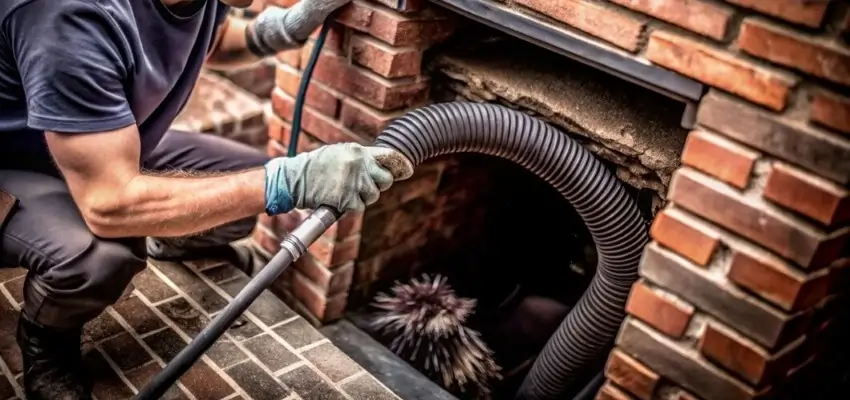
Chimney Cleaning that lifts soot and creosote in West Vancouver
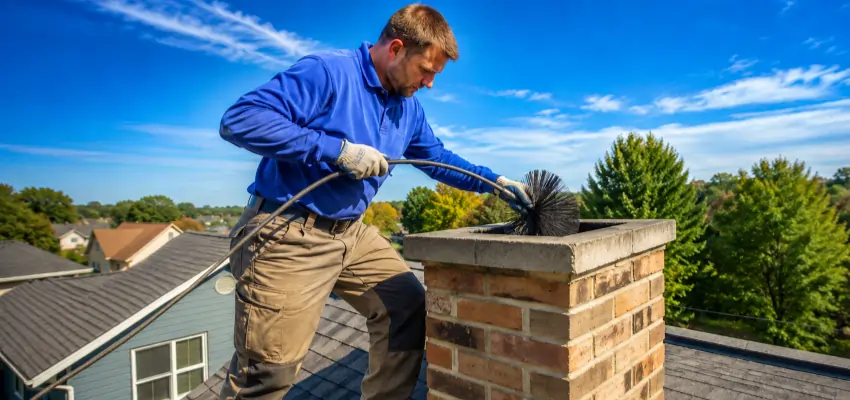
Why West Vancouver homeowners book Chimney Sweep visits yearly
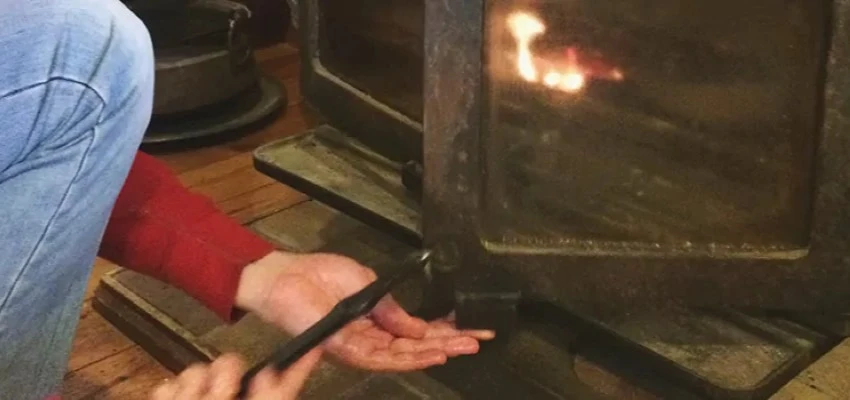
Swept and checked: Chimney Sweep Services in West Vancouver
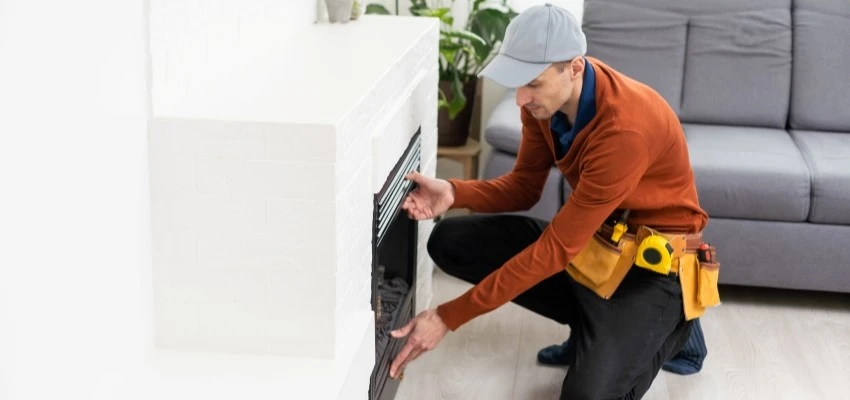
Ready for the season with Fireplace Experts in West Vancouver
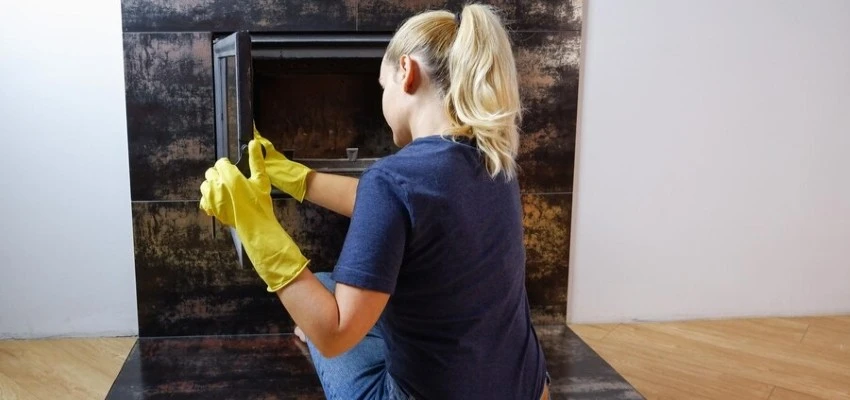
Control area vacuumed during Gas Fireplace Cleaning
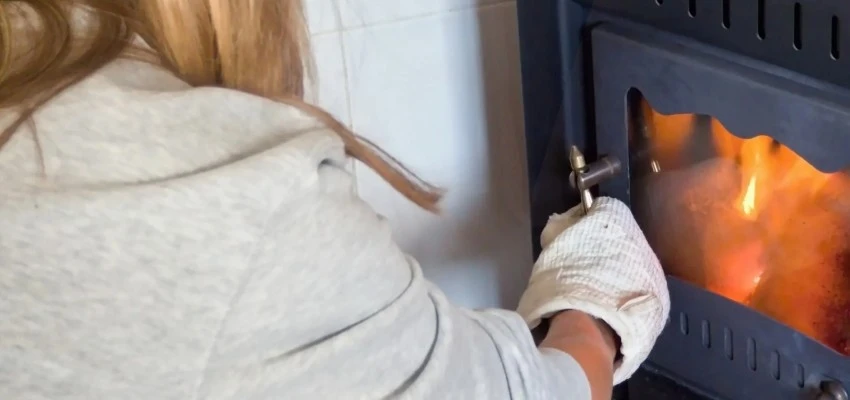
Catch a weak thermocouple early with Gas Fireplace Maintenance

