
Much of a fireplace is hidden from view. Above the opening sit the throat, the damper and the smoke chamber; around it sit the surround, the hearth and the mantel. Homeowners in West Vancouver who search for “fireplace firebox services” are usually dealing with one of these areas and wondering how the others relate to it. The answers here connect the pieces and explain how firebox repair fits into the bigger picture of a fireplace that is both safe and good to look at.

In most homes we see, yes, but the answer comes from inside the fireplace rather than its surface. A dated surround over a healthy firebox and a working damper is a good candidate for improvement. Cracked firebricks, a rough smoke chamber or a rusted damper are worth fixing in their own right, since they affect how safely the fireplace burns. Where we hesitate is when the chimney itself needs major rebuilding, because then the budget conversation changes. We look at the whole system first, explain what we find and let you weigh appearance against function.
Mortar falls out of a firebox when the joints have broken down from heat, moisture or the wrong material. Years of fires expand and contract the bricks, which loosens weak joints, and water from a leaking chimney speeds that up. A common culprit is an earlier repair done with ordinary mortar, which crumbles in direct heat much faster than refractory mortar. Sandy grit in the ash or gaps you can see between bricks are the clues. Raked-out joints let heat reach the masonry behind the firebox, so if crumbling joints sent you searching for “fireplace firebox services”, have them checked before the next fire.
A factory-built firebox is repaired with parts made for that model rather than with bricks and mortar. Its refractory panels slot or screw into a steel shell, and when they crack through, crumble or go missing, they are replaced as a set or individually using the panels listed in the manual. The steel behind them is checked for warping, rust or burn-through, which can mean the unit is near the end of its life. Universal patches and loose firebricks should not be wedged into these units, because they change how heat moves through a tested system. Your firebox repair visit starts by reading the model label.
We repair a firebox brick by brick before considering a rebuild. Joints are raked back to sound material and refilled with refractory mortar, pressed in tight so no voids remain. Damaged firebricks are chiseled out without disturbing their neighbors, and new ones are set to match the pattern. Surface flaking on an otherwise sound brick can sometimes be left alone. If a whole panel has shifted or the back wall leans toward the fire, we rebuild that section, which is still far less work than a new firebox. Patching compound smeared over cracks is not a lasting repair, so we avoid it.
Small repairs, such as replacing a few firebricks or fixing a damper, often take a single visit, while refacing, mantel work or a conversion can take several working days spread over a week or two. Masonry and mortar need time to cure before the fireplace is used, and some finishes must set before the next layer goes on. Ordering stone, tile, a mantel or a gas insert can add weeks before work starts. Ask for a schedule that shows working days, waiting time for curing or materials and the earliest date you can light a fire again.

Sometimes, and the deciding factors are gas, structure and venting. Cosmetic work on the outside of the fireplace rarely triggers a permit. Connecting a gas line, installing an insert with a new liner or rebuilding part of the firebox or chimney often does, depending on the rules where the house sits. Whoever does the work should know which applies and say so clearly in the quote. If a permit is needed, ask who will apply, who will be present for any inspection and whether the price includes it. Skipping this step can cause trouble later, for example when you sell the house.
Not safely, beyond the basics. We often find homemade repairs inside fireboxes: hardware-store mortar that has already crumbled, silicone smeared into joints and bricks set without proper bonding. Those fixes usually have to come out before the real repair can start, which adds work. What helps us most is a homeowner who watches for changes, keeps ash from piling up against the walls, avoids roaring fires and calls when something looks different. A yearly inspection then takes care of the parts you cannot see, such as the smoke chamber and the back of the damper.
Compare quotes line by line rather than by the total. Each should describe the same scope: what is removed, what is repaired, what new materials go in and who handles any gas, liner or venting work. Look for the material types, the finish details, protection and cleanup, disposal of old materials and any permit costs. Check how hidden damage would be priced if it turns up. A quote that looks much lower may simply leave out repairs another contractor included. Ask each company to explain anything vague before you decide.
Knowing the area saves time on almost every fireplace job. In older and newer neighborhoods alike, we see the same brick styles, the same original dampers and the same surround materials again and again, so we can often predict what is behind a finish before it comes off. We also know which suppliers stock matching brick, stone and refractory materials and how long their orders take. Projects that need several visits, with curing time in between, run more smoothly when the crew is close by. And if a question comes up after the work, you can reach us directly.

We would rather you book the service you actually need than the biggest package on the list. Tell us what is going on and we will explain what we recommend for your fireplace and why. Call (778) 719-4326 to speak with the team serving West Vancouver.
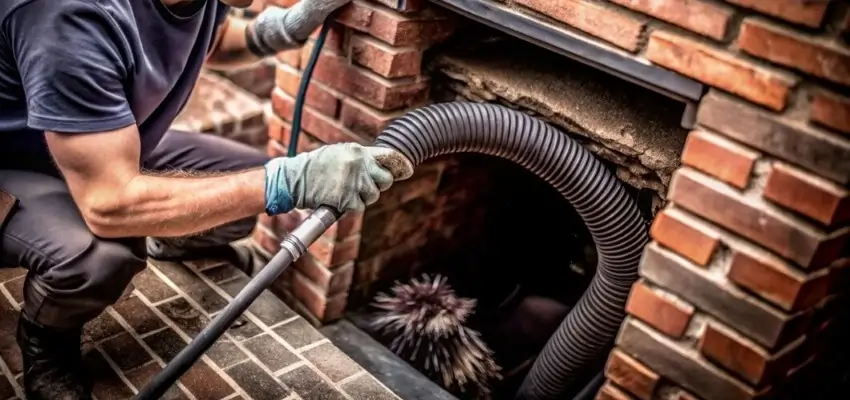
Chimney Cleaning that lifts soot and creosote in West Vancouver
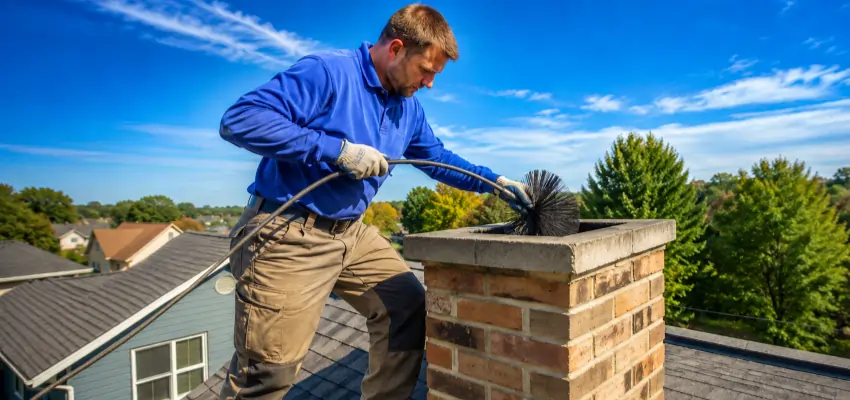
Why West Vancouver homeowners book Chimney Sweep visits yearly
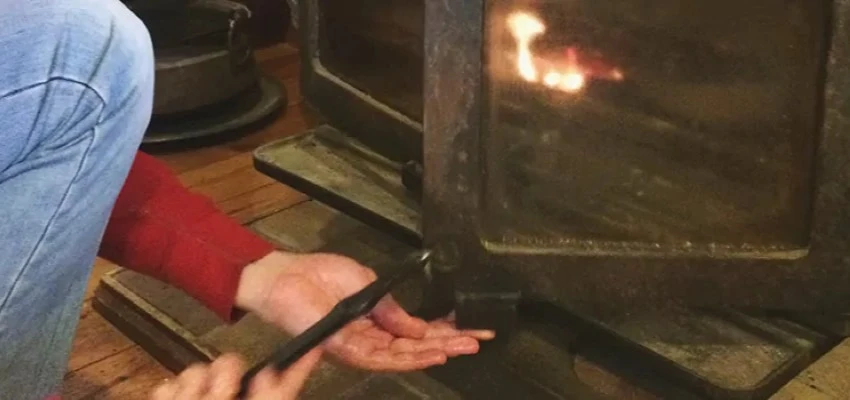
Swept and checked: Chimney Sweep Services in West Vancouver
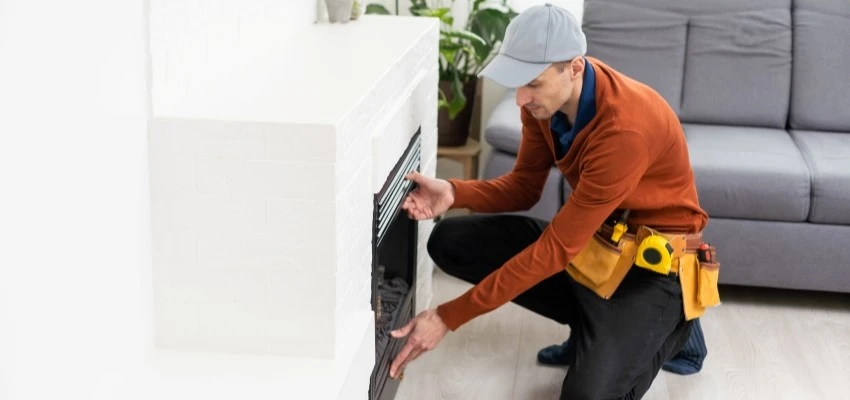
Ready for the season with Fireplace Experts in West Vancouver
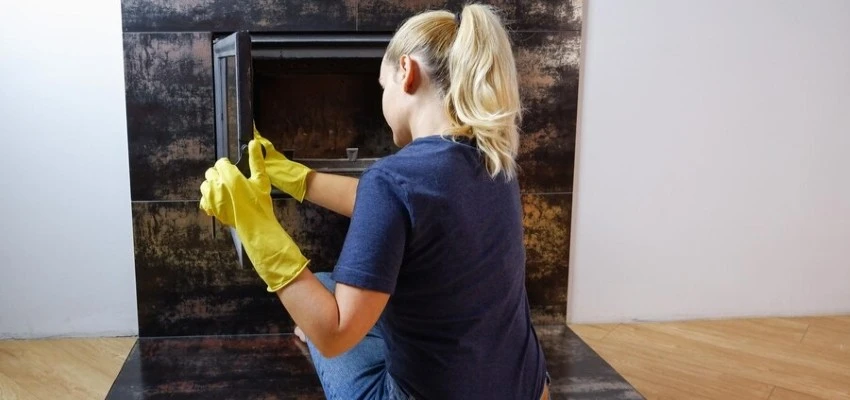
Control area vacuumed during Gas Fireplace Cleaning
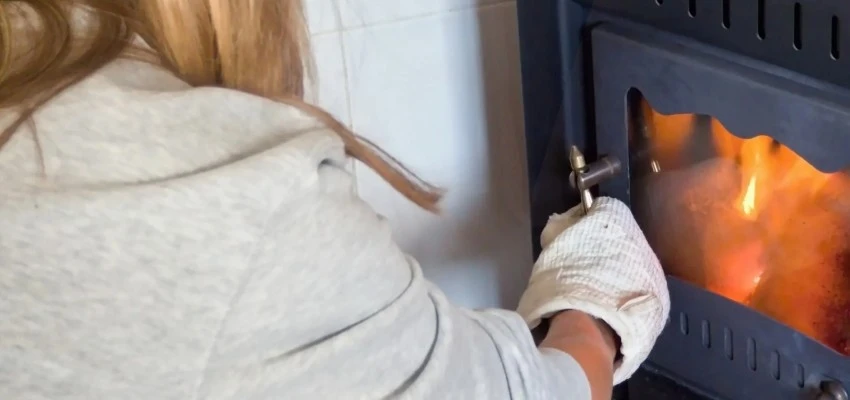
Catch a weak thermocouple early with Gas Fireplace Maintenance

