
Questions about safety, cost and timing come up whenever a homeowner thinks about a fireplace or stove. If you landed here after searching for “fireplace fixing services”, you will find those questions answered one by one, in roughly the order most people ask them. The focus is on fireplace repair for homes in West Vancouver, with honest detail about what a technician does, what affects the work and what you can safely handle between visits.

The signs that matter most are small physical changes: a brick that wobbles, crumbs of mortar on the hearth, a damper that needs a shove or a stain where none used to be. When homeowners call about one of those, we usually find it connects to something larger, such as rain entering through a cracked crown or heat slowly eating at the joints of the back wall. Gaps in the firebox matter most, since they can let heat reach the framing behind the masonry. Catching these early keeps the fix to a patch rather than a rebuild.
Smoke comes into the room when the chimney is not pulling air upward strongly enough, and the cause is usually one of a few things. The damper may be partly closed, the flue may be cold when the fire is lit, or a nest, debris or heavy creosote may be blocking the path. Strong kitchen or bathroom fans and very airtight homes can also pull air down the chimney. Open the damper fully and crack a nearby window when lighting the fire. If smoke keeps spilling, stop using the fireplace, have it checked and make sure your carbon monoxide alarms work.
A chimney fire often announces itself with a loud roaring or rumbling sound, popping and cracking noises, thick smoke and a strong, hot smell, sometimes with flames or sparks shooting from the top. If you notice these, get everyone out of the house and call the fire department from outside. Not every chimney fire is dramatic, though. Slow-burning ones can go unnoticed and leave quieter clues: flaky, puffed-up creosote, a warped damper or cap, cracked flue tiles and debris on the roof or ground. After any suspected chimney fire, have the system inspected before it is used again.
A sweep cleans the whole smoke path, and we work from the fire upward and from the room outward. First the hearth and nearby floor are covered, then a high-suction vacuum goes on, keeping the room under slight negative pressure so soot is drawn toward our equipment instead of drifting out. Brushing comes after that: rotary or wire brushes sized to the flue, pushed through in sections until the walls are clear. The smoke shelf behind the damper is where loose debris piles up, so it gets cleaned by hand. We finish by checking the damper seal, looking at the cap and showing the homeowner photos of anything worth discussing.
Most repair quotes start with an inspection, because the visible damage rarely tells the whole story. After looking at the firebox, damper, flue and chimney exterior, the company writes a scope that lists each repair, the materials it plans to use and any cure time involved. Good quotes separate required work from optional improvements and explain how unexpected damage would be handled. When comparing “fireplace fixing services” offers, make sure each one covers the same items, since a lower figure can simply mean less work. Ask for photos of the problems so you can follow the reasoning yourself.

A common guideline is to have the chimney inspected once a year and swept whenever buildup calls for it, which for many households also works out to about once a year. Homes that burn a fire most evenings through the colder months may need a sweep more often, sometimes partway through the season, while a fireplace used a few times a year may go longer between cleanings. Wood stoves used as a main heat source tend to build up creosote faster. Damp wood, smoldering fires and cold outside chimneys all shorten the interval, so let the yearly check guide the schedule.
Repair quotes differ mostly because of scope, materials and access. Scope is the big one: replacing a damper handle and rebuilding a back wall are very different jobs. Materials matter because refractory mortar, firebrick and heat-rated tile are not the same as everyday masonry supplies, and matching a decades-old surround takes searching. Access matters when the problem sits high in the chimney or above a steep roof. When two quotes are far apart, one company is often fixing only the visible symptom while the other also fixes the cause. Asking each to explain what they found usually clears it up.
Plan for a longer, busier visit than a sweep. Clear the room around the fireplace, not just the hearth, since masons need space for mixing tubs, tools and material. Move valuables and electronics out of the room or cover them, and expect some noise from chiseling and cutting. Let the company know where an outdoor water tap and a power outlet are, and leave room in the driveway for a vehicle and materials. If the work involves the chimney top, keep the yard below clear. Pets and children are happier elsewhere while the work goes on.
The questions that reveal the most are about scope and evidence: what is cleaned, what is inspected, how findings are shared and how extra work is priced. It is also reasonable to ask who will do the work, whether they handle masonry repairs themselves and how long any repair would need before the first fire. Asking how they deal with glazed creosote or a stovepipe that has to come apart shows quickly whether they have done it before. A technician who knows wood-burning systems answers each of these in a sentence or two, without hedging or upselling.

If you already know the work needs doing, booking early gives you more choice of dates and less to think about later. Tell us roughly when you would like the visit in West Vancouver and we will hold a time for you. Reserve your visit.
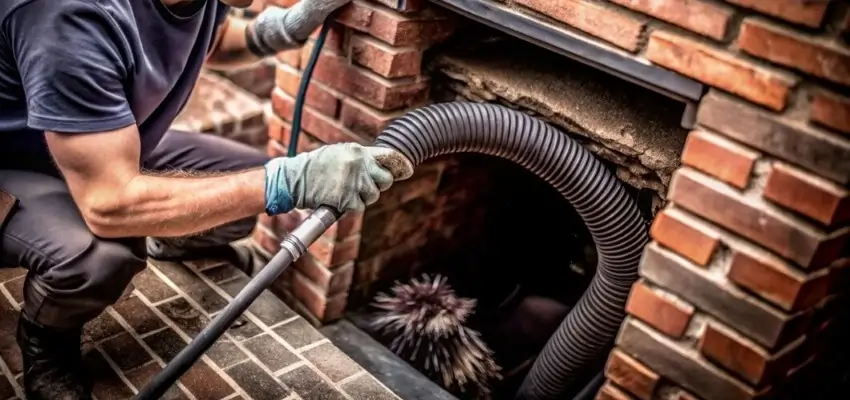
Chimney Cleaning that lifts soot and creosote in West Vancouver
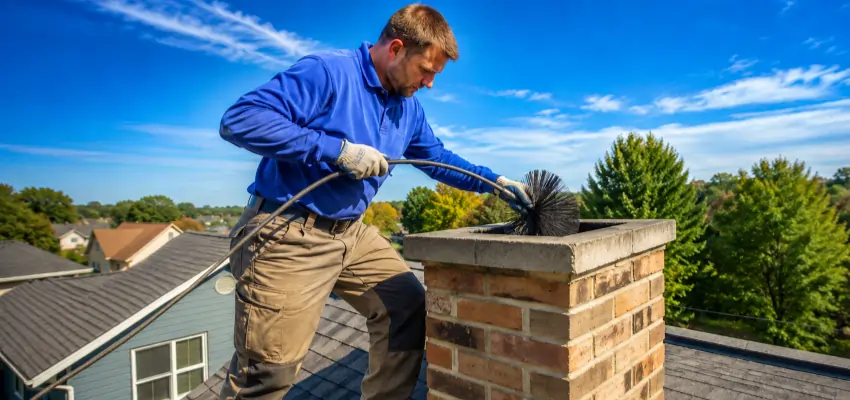
Why West Vancouver homeowners book Chimney Sweep visits yearly
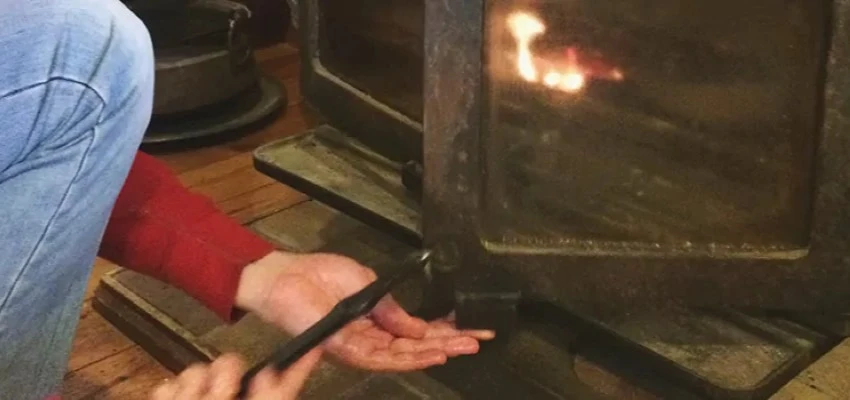
Swept and checked: Chimney Sweep Services in West Vancouver
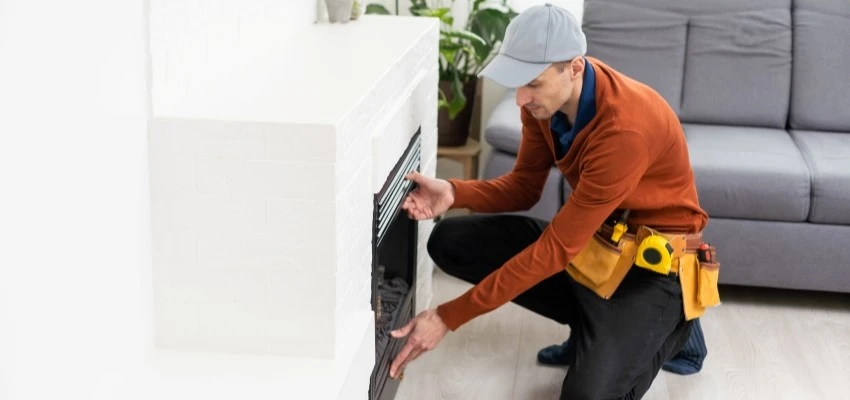
Ready for the season with Fireplace Experts in West Vancouver
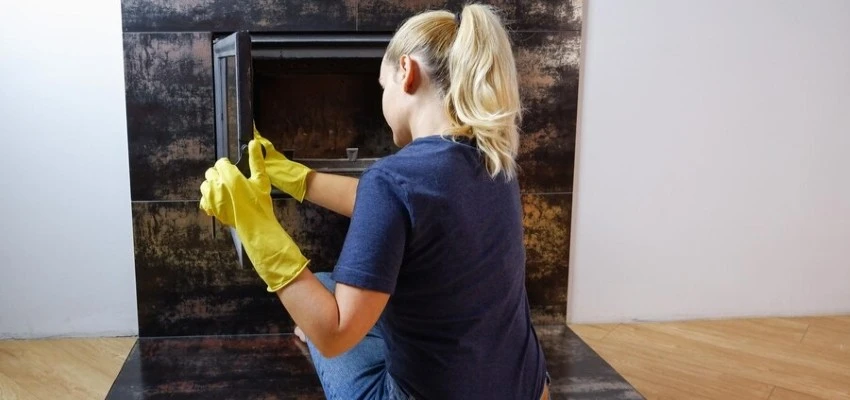
Control area vacuumed during Gas Fireplace Cleaning
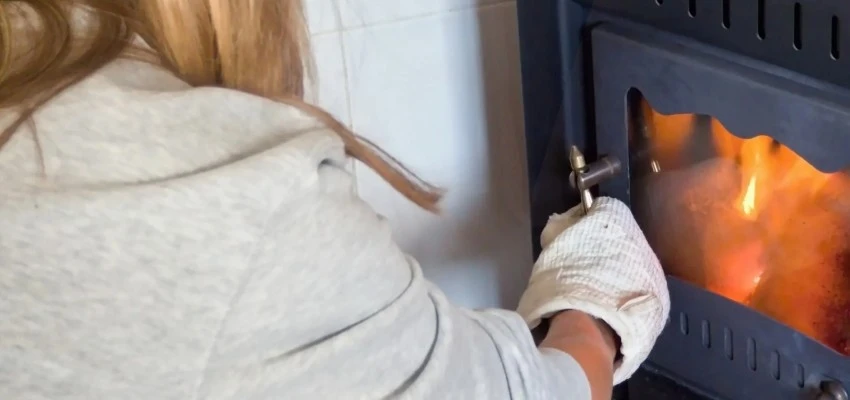
Catch a weak thermocouple early with Gas Fireplace Maintenance

