
A hazy room after the last fire, a campfire smell on a warm afternoon, a brick that wobbles when you touch it: small things like these send many homeowners in West Vancouver looking for “fireplace inspection”. Sometimes they mean nothing serious, and sometimes they are an early warning. The answers on this page explain fireplace inspection clearly, so you can tell the difference and decide what your fireplace needs.
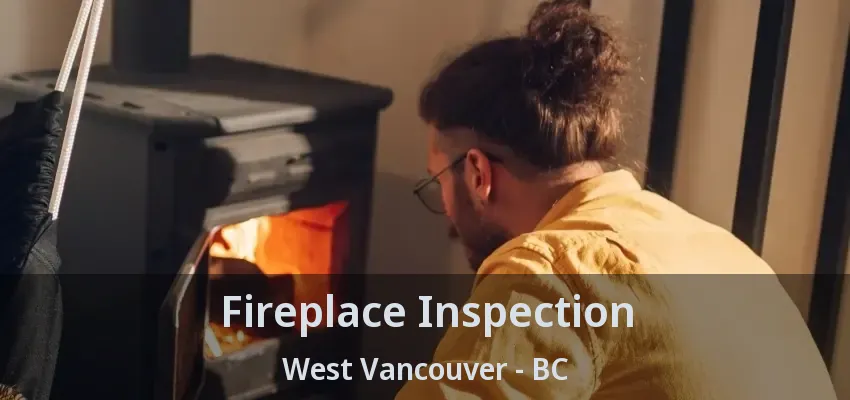
A sweep removes soot and creosote, while an inspection checks the condition of the fireplace or stove and the chimney it vents into. Cleaning tells you how much buildup there was; an inspection tells you whether everything is sound and set up correctly. Many homeowners book both together, because a clean flue is easier to examine and the technician can spot cracks, gaps or worn parts that the deposits were hiding. If you can only schedule one, start with an inspection, since it shows whether a sweep or a repair is needed at all.
Odor in warm months is one of the most common calls we get, and the cause is nearly always creosote reacting with humidity. Those deposits absorb moisture and release a stale campfire smell, which drifts indoors whenever the house draws air down the flue. We clean the flue to remove the source, check whether the damper seals and look at the cap, since rain soaking into soot makes things noticeably worse. In homes around West Vancouver where the problem keeps returning, a top-sealing damper that closes at the very top of the chimney is often the change that settles it.
A visual check suits a fireplace that has been used and maintained regularly with no changes or warning signs. A camera scan is worth it when part of the flue cannot be seen, when there has been a chimney fire, a storm or a renovation, when a home is being bought or sold, or when smoke and odors have no obvious cause. The camera travels up the flue and shows cracks, gaps and deposits that a flashlight cannot reach. Ask the company which level of inspection they recommend for your situation and why.
One to two hours covers most cleaning and inspection visits we make, with the chimney deciding which end of that range applies. Setup and floor protection take a few minutes, brushing takes the bulk of the time, and clean-up plus a walkthrough close things out. Tall chimneys, steep roofs and several flues stretch the visit, as do thick layers that need extra passes or special tools. Repairs are their own matter: a damper handle may be fixed on the spot, while firebrick or crown work gets a separate appointment. Since time shapes the price, an accurate description up front helps everyone.
A standard fireplace inspection usually takes under an hour for a single fireplace, sometimes less when the system is clean and easy to reach. More time is needed when the technician runs a camera through the full flue, checks the attic or roof, or has several flues to look at. A detailed inspection for a home sale or after a chimney fire can take noticeably longer, since every accessible section is documented. Allow some extra minutes at the end to go through the findings and photos, which is the part of the visit most worth your attention.

It depends on the chimney, and the decision is made on the day. Plenty of flues are swept from the firebox upward with rods, which keeps us off delicate roofing. We still like to see the top, because the cap, the crown and the last few feet of flue are where weather and animals cause trouble. On steep or slippery roofs, we may set a ladder at the eave and use a camera instead of walking the surface. Rain, ice and strong wind mean the roof portion waits for a better day. Either way, you should hear what the top looks like, not just the bottom.
If a fireplace does not pass an inspection, the technician has found something to fix before the next fire, and the report should say exactly what. Findings usually fall into three groups: issues that make the fireplace unsafe to use now, repairs to plan soon and items to watch. Stop using the fireplace for anything in the first group, such as cracked flue tiles, gaps in the firebox or a blocked chimney. Ask for photos, a written description and a repair quote for each item, and get a second opinion on major work if you want one.
Everyday upkeep is a homeowner job, but sweeping and inspecting the chimney are better left to a professional. Safe tasks include removing cold ashes, cleaning glass doors with a product made for fireplace or stove glass, keeping the hearth area clear, checking that the damper opens and closes and testing smoke and carbon monoxide alarms. Brush kits are sold, but they cannot tell you whether the liner is cracked, the smoke chamber is coated or the cap is damaged, and climbing onto a roof brings its own risk. A professional visit includes a look at the parts you cannot see.
The questions that reveal the most are about scope and evidence: what is cleaned, what is inspected, how findings are shared and how extra work is priced. It is also reasonable to ask who will do the work, whether they handle masonry repairs themselves and how long any repair would need before the first fire. Asking how they deal with glazed creosote or a stovepipe that has to come apart shows quickly whether they have done it before. A technician who knows wood-burning systems answers each of these in a sentence or two, without hedging or upselling.

Sometimes the right call is a small fix, sometimes a bigger job and sometimes nothing at all. We tell you which one applies to your fireplace and why. Ask Chimney Sweep West Vancouver for advice and decide in your own time.
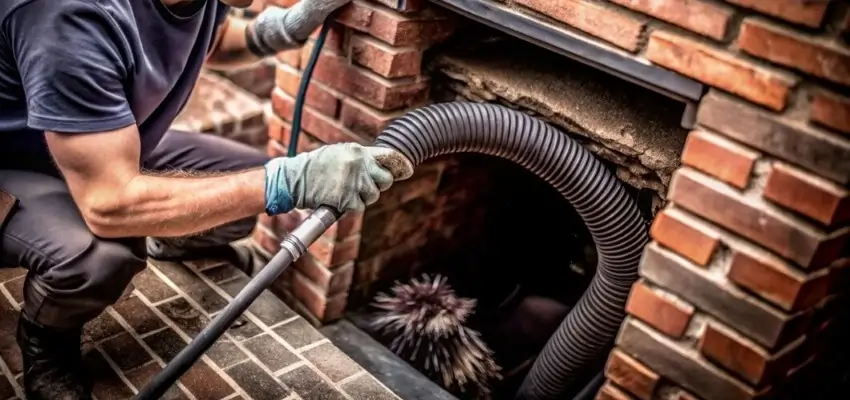
Chimney Cleaning that lifts soot and creosote in West Vancouver
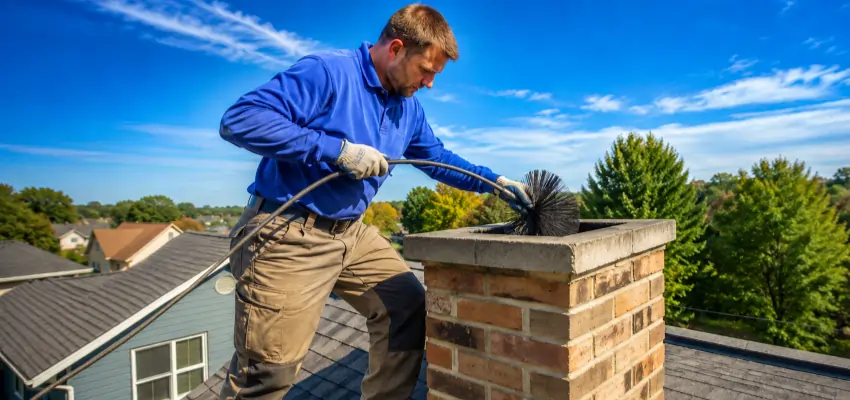
Why West Vancouver homeowners book Chimney Sweep visits yearly
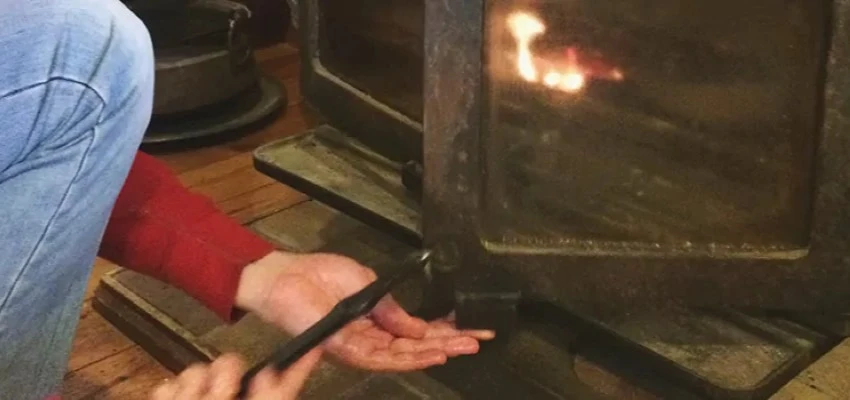
Swept and checked: Chimney Sweep Services in West Vancouver
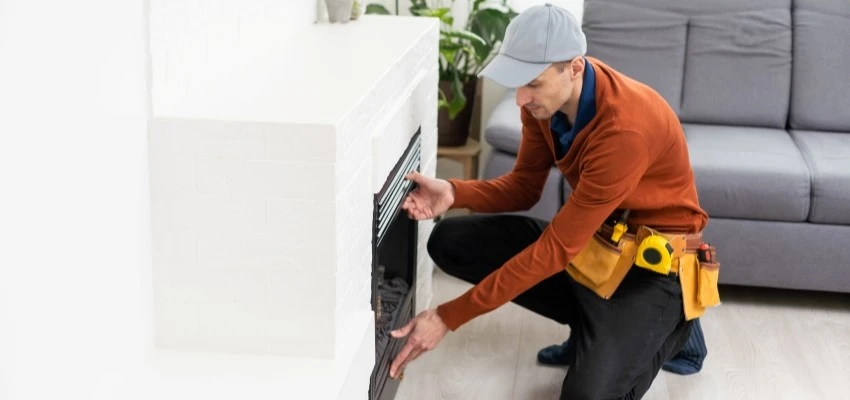
Ready for the season with Fireplace Experts in West Vancouver
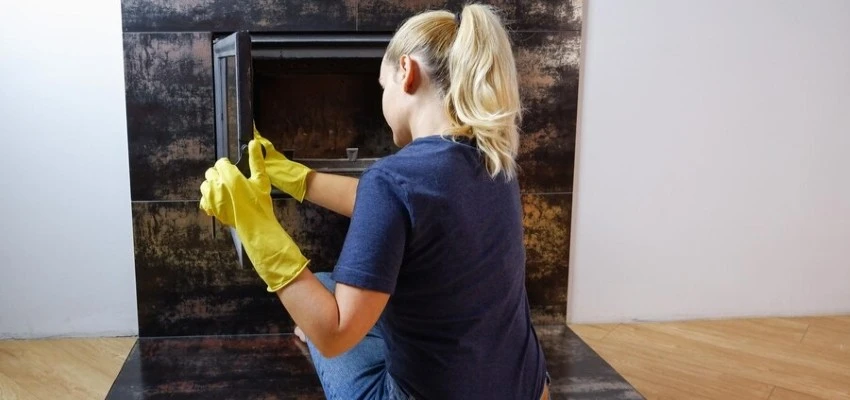
Control area vacuumed during Gas Fireplace Cleaning
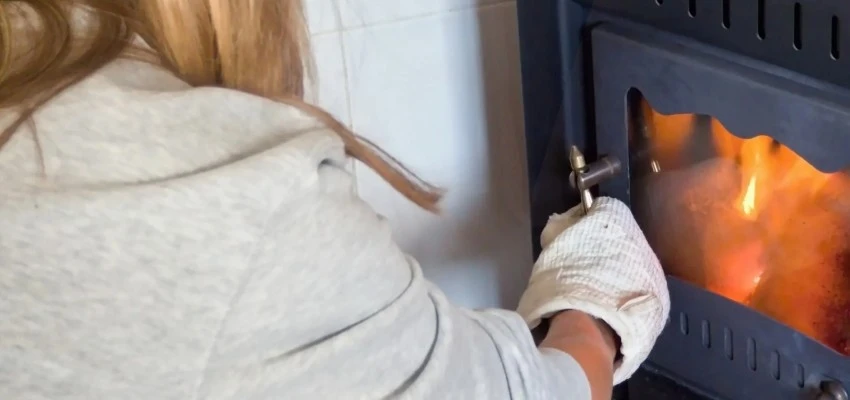
Catch a weak thermocouple early with Gas Fireplace Maintenance

