
Some households light a fire every evening all winter; others use theirs a handful of times a year. Both need attention, just on a different schedule. Whatever your routine, if you have been looking up “fireplace maintenance”, this page explains fireplace maintenance in a way that fits real homes around West Vancouver, from what wears out first to how often a technician should take a look at your fireplace.

Regular care catches problems that build slowly and out of sight, and a fireplace that has gone years without a visit shows exactly that pattern. The flue carries a crust of creosote, the cap is clogged with leaves or missing, and joints in the firebox have eroded from repeated heating. None of it happened overnight, and most of it would have been a simple fix earlier on. Neglect also hides things like a cracked flue tile or a rusted damper, which only show up when someone looks. Routine service is really about knowing the condition of a system you trust with an open flame indoors.
Creosote is unburned fuel: tiny droplets of tar and gas that leave the fire, cool on the way up and stick to the flue walls. We grade it by texture on every job. A light, powdery coat brushes away easily. A thicker, flaky or bubbly layer takes more effort and tells us fires are running cool or the wood is wet. A glossy, glazed coating is the one that concerns us, because it is stubborn to remove and burns intensely if it catches. Where we find heavy deposits, we talk through wood and burning habits, since changing those is what slows the next round of buildup.
A chimney fire often announces itself with a loud roaring or rumbling sound, popping and cracking noises, thick smoke and a strong, hot smell, sometimes with flames or sparks shooting from the top. If you notice these, get everyone out of the house and call the fire department from outside. Not every chimney fire is dramatic, though. Slow-burning ones can go unnoticed and leave quieter clues: flaky, puffed-up creosote, a warped damper or cap, cracked flue tiles and debris on the roof or ground. After any suspected chimney fire, have the system inspected before it is used again.
The schedule depends on how much you burn and how cleanly, more than on the calendar. For a household with occasional fires, a yearly visit usually finds a light layer ready to come out. Someone heating with a stove every day may need cleaning before the season ends, especially if the wood is not fully seasoned. Signs between visits help too: black flakes on the hearth, slower starts and darker glass all suggest buildup is growing. Jot down the date of each sweep along with how heavy the deposits were, and after a season or two the right interval becomes clear.
In most cases it does, because the expensive fireplace problems usually grow out of small ones left alone. A cap that costs little to replace keeps water out of the damper, the smoke chamber and the mortar joints. A sweep that removes creosote reduces the chance of a chimney fire that can crack a flue. Loose firebrick reset early avoids a full firebox rebuild later. Routine fireplace maintenance will not stop every repair, but it spreads costs out, gives you warning and keeps the big projects rarer.

It depends on the chimney, and the decision is made on the day. Plenty of flues are swept from the firebox upward with rods, which keeps us off delicate roofing. We still like to see the top, because the cap, the crown and the last few feet of flue are where weather and animals cause trouble. On steep or slippery roofs, we may set a ladder at the eave and use a camera instead of walking the surface. Rain, ice and strong wind mean the roof portion waits for a better day. Either way, you should hear what the top looks like, not just the bottom.
Thoroughly dry wood is what keeps a fireplace or stove burning cleanly, and dryness affects buildup more than anything else a homeowner controls. When we find heavy, tarry creosote, our first question is about the woodpile. Freshly cut logs hold a lot of water, and all of it has to steam off before the wood really burns, cooling the fire and sending sooty smoke up the flue. Species matters less than people assume; dry pine burns cleaner than wet oak. Buying wood early in the year, or checking it with a moisture meter before it goes into the fireplace, keeps sweeps light.
A simple yearly routine covers most of what a wood-burning fireplace needs. Before the burning season, have the chimney inspected and swept as needed, test smoke and carbon monoxide alarms and stock dry wood. During the season, remove cold ashes regularly, keep the hearth clear and watch for smoke, odors or flakes falling from above. After the last fire, clean out the firebox, close the damper and consider booking any repairs for the warmer months. Following this kind of fireplace maintenance calendar keeps small issues small and makes each professional visit quicker.
Ask about scope, evidence and pricing, since those answers reveal most of what you need to know:
It is also fair to ask whether they work on your type of appliance. Specific, confident answers are reassuring; vague ones are a cue to compare another company.

We protect the work area, clean up before we leave and tell you what we found in words that make sense. You end the visit knowing the state of your fireplace. Book fireplace maintenance with Chimney Sweep West Vancouver when it suits you.
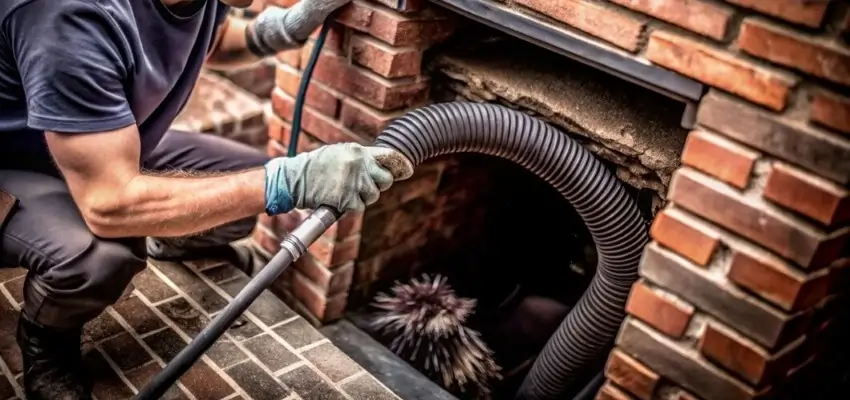
Chimney Cleaning that lifts soot and creosote in West Vancouver
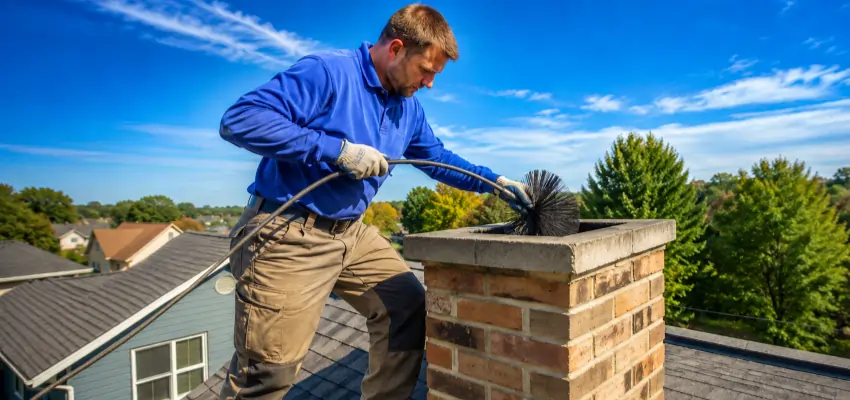
Why West Vancouver homeowners book Chimney Sweep visits yearly
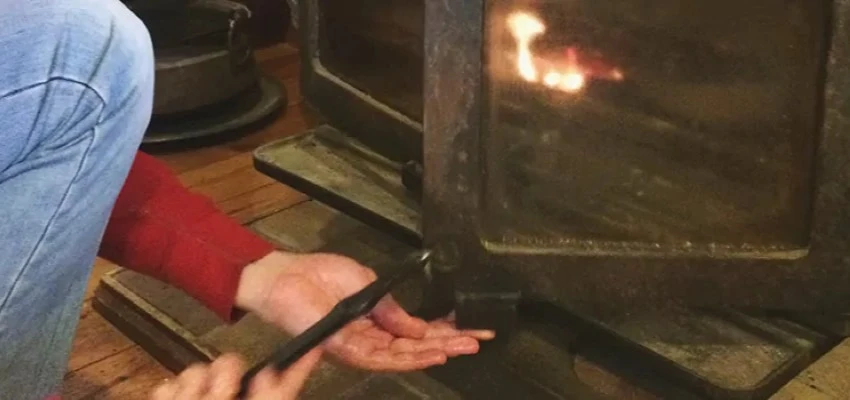
Swept and checked: Chimney Sweep Services in West Vancouver
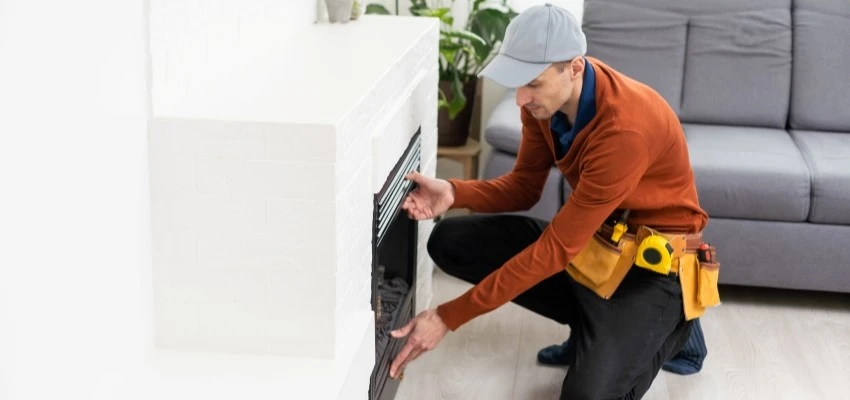
Ready for the season with Fireplace Experts in West Vancouver
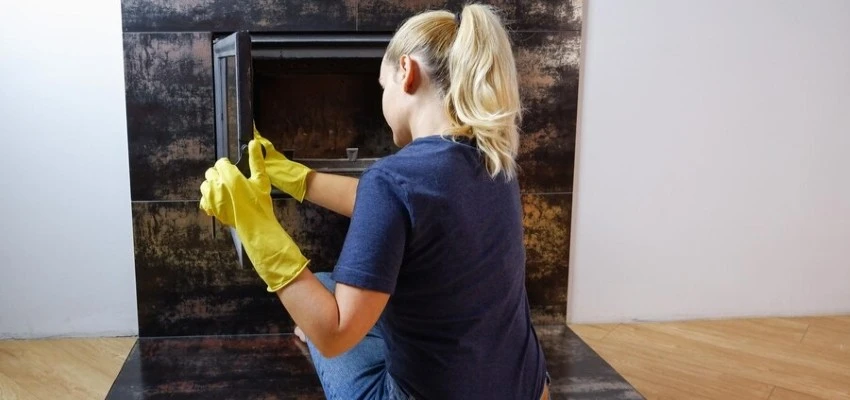
Control area vacuumed during Gas Fireplace Cleaning
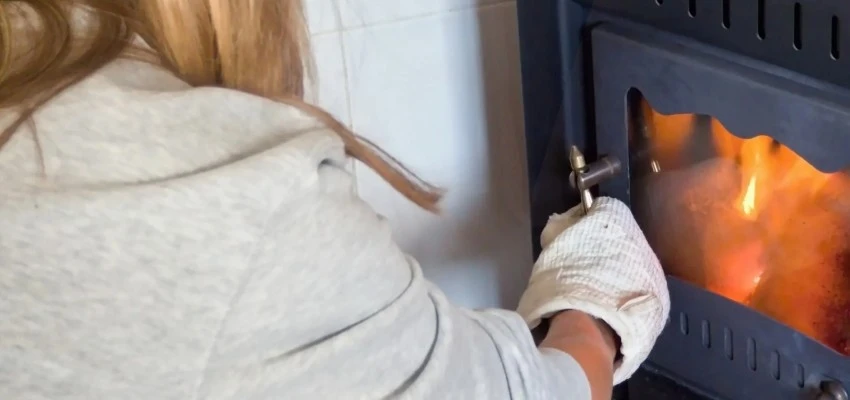
Catch a weak thermocouple early with Gas Fireplace Maintenance

