
Not every fireplace needs a big project. Sometimes a few bricks and fresh mortar do the job; sometimes a dated surround is all that stands between you and a room you love. Searching for “fireplace makeover services” is a sensible first step toward telling those situations apart. The answers below help homeowners around West Vancouver understand fireplace renovation, set realistic expectations and decide what their fireplace actually needs.

The line we draw is between the parts you see and the parts that handle fire and smoke. Remodeling deals with surfaces and fuel: tile, stone, mantels, surrounds and conversions. Repair deals with the working core: the firebox, the throat and damper, the smoke chamber and the metal components that seal or protect them. On real jobs the two often overlap. Pull off an old surround and you may find gaps that let heat reach framing; open the damper and you may find a crumbling smoke shelf. We sort each finding into must-fix and nice-to-have so you can plan sensibly.
Yes. A makeover covers the face of the fireplace, so anything wrong behind it, such as cracked firebricks, loose mortar, a damaged damper or a deteriorated smoke chamber, becomes harder and costlier to reach afterward. Fixing those problems first also protects the new finishes from heat and moisture coming through. That is why an inspection should open the project, whichever company your search for “fireplace makeover services” leads you to. If the inspection turns up repairs, ask for them to be priced separately from the cosmetic work, so you can see what is needed for safety and what is part of the new look.
An inspection comes first because it shows whether the fireplace is safe to use and sound enough for the planned work, so you do not spend money on a new face over a failing core. A technician typically checks the firebox walls and floor, the damper and throat, the smoke chamber, the flue and the clearances around the opening, often with a camera for the hidden parts. If problems turn up, they can be fixed before finishes go on, when access is easiest. It is a sensible routine on its own too: many homeowners have the fireplace and chimney inspected once a year.
When we price fireplace work, we are estimating labor hours, materials and risk. Labor depends on how much needs to come apart, how tight the space is and whether the job calls for skilled masonry, carpentry or gas fitting. Materials range from inexpensive tile to heavy natural stone that needs extra support. Risk is the unknown: an old surround can hide damaged brick or framing that has to be fixed before anything new goes on. We explain up front how any extra work would be handled and priced, so a surprise behind the wall does not become a surprise on the invoice.
Start with how you use the room and what the fireplace should do in it: be the focal point, blend into a feature wall or frame a TV. Look at the scale of the wall, the ceiling height and the furniture, since a heavy stone surround can overwhelm a small space while a slim tile face can disappear on a tall wall. Collect a few pictures you like and bring samples into the room to see them in your own light. Decide early whether the fuel type will change. A clear plan makes fireplace renovation quotes easier to compare and keeps decisions from piling up mid-project.

It depends on where you live and what the work involves. Purely cosmetic changes, such as painting brick or swapping a mantel shelf, often need no permit, while gas line work, installing a new insert or fireplace, changes to the chimney or structural masonry frequently do. Rules differ from one municipality to the next, so check with your local building department or ask the contractor to confirm. A professional company should know the local requirements and tell you whether it will arrange the permit and inspection or whether that falls to you. Get that answer in writing before work begins.
Sometimes, and it is a question worth settling at the planning stage rather than afterward. Heat rising from the opening is the main concern, especially above a wood fireplace with no mantel to deflect it. During planning, we look at the fireplace type, the mantel depth and what the manufacturer allows above the unit. We also plan the mounting: lag bolts into framing or anchors into solid brick, and a recessed box for cables so nothing runs across warm stone. The last question is comfort, since a screen mounted high can strain the neck. We help homeowners weigh both.
Most of what keeps a fireplace looking and working well happens between our visits. A yearly inspection is the backbone, because it catches mortar joints, damper parts and smoke chamber surfaces before they deteriorate. Day to day, the habits that matter are dry firewood, moderate fires and a hearth kept free of things that can scorch. New surrounds need little beyond gentle cleaning, though natural stone may benefit from occasional sealing if the supplier recommends it. On gas conversions, the yearly check shifts to the burner, ignition and venting. A short note after each visit helps everyone spot trends.
When homeowners show us competing quotes, the gap usually comes from scope. One quote may cover a new surround but say nothing about the cracked firebricks behind it; another includes the repair and the curing time. We suggest laying them side by side and asking three questions of each: what exactly is being fixed, what exactly is being installed and what happens if something unexpected turns up when the old finish comes off. Clear, specific answers point to a contractor who has thought the job through. Vague ones usually mean extras later.

You can contact us just to ask whether a visit makes sense. If the answer is no, we will say so. If it is yes, we will explain why. Reach Chimney Sweep West Vancouver at (778) 719-4326 for an honest opinion about your fireplace.
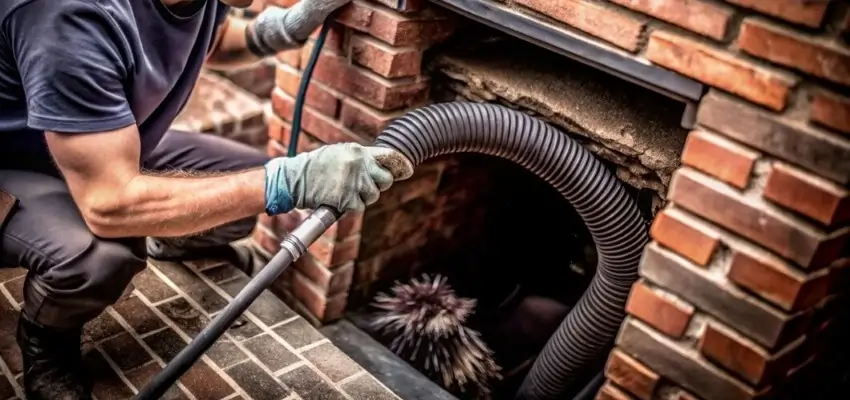
Chimney Cleaning that lifts soot and creosote in West Vancouver

Why West Vancouver homeowners book Chimney Sweep visits yearly
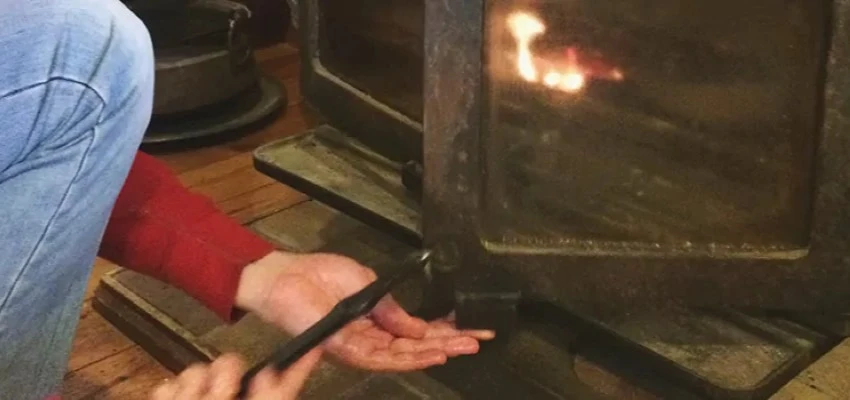
Swept and checked: Chimney Sweep Services in West Vancouver
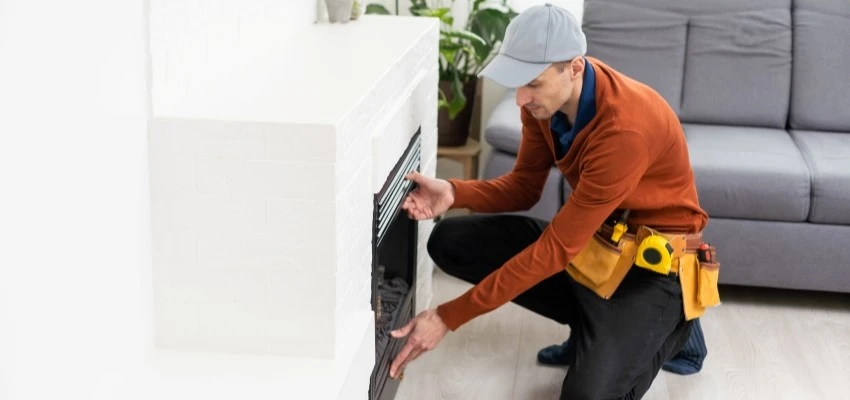
Ready for the season with Fireplace Experts in West Vancouver
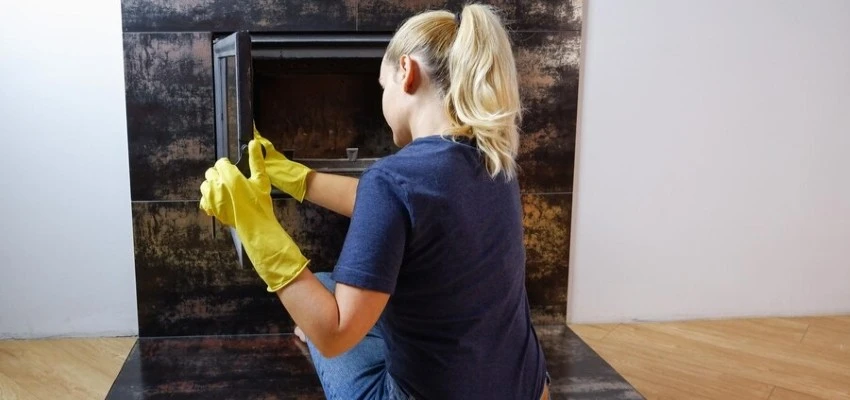
Control area vacuumed during Gas Fireplace Cleaning
Catch a weak thermocouple early with Gas Fireplace Maintenance

