
Fireplace vocabulary can be confusing: firebox, throat, smoke chamber, surround, hearth extension. This page cuts through it. If you are in West Vancouver and found us by looking up “fireplace metal services”, you will find straightforward explanations of fireplace metal repair in everyday words, without jargon or pressure. Start with the parts that match your project and keep the rest for later, when the next question comes up.
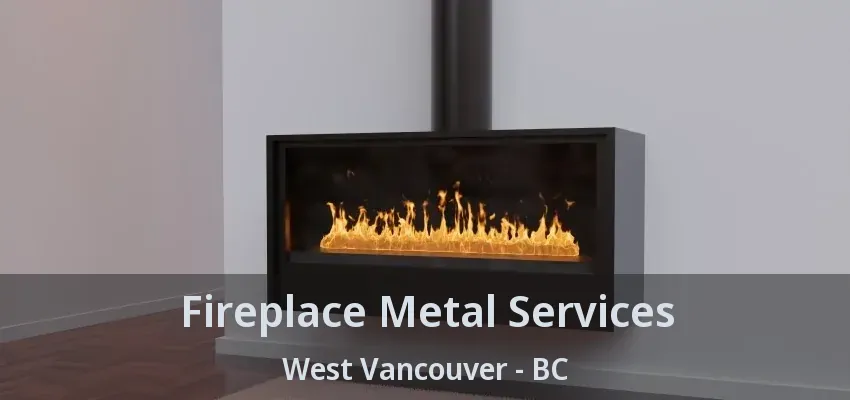
In most homes we see, yes, but the answer comes from inside the fireplace rather than its surface. A dated surround over a healthy firebox and a working damper is a good candidate for improvement. Cracked firebricks, a rough smoke chamber or a rusted damper are worth fixing in their own right, since they affect how safely the fireplace burns. Where we hesitate is when the chimney itself needs major rebuilding, because then the budget conversation changes. We look at the whole system first, explain what we find and let you weigh appearance against function.
The signs show up in how the doors move and how they look. Doors that drag, sag or spring open, glass with cracks or heavy clouding, mesh with holes that let embers through and frames that have come loose from the masonry are all reasons to call. We see most door damage on fireplaces that were run hot with the doors shut, which overheats glass and metal, and on older sets whose fasteners have rusted. Often the fix is a new hinge pin, a latch, a mesh panel or replacement glass rather than a whole new enclosure.
A fireback is a heavy cast iron plate that stands against the back wall of the firebox. It shields the brick from direct flame, which can slow wear on the back wall, and it radiates some heat into the room. Many are decorative, with patterns cast into the face. A fireback should be sized to the firebox and stand slightly away from the wall, and it does not replace repairs to cracked firebricks or joints behind it. If your back wall is in good shape and you burn wood often, adding one during fireplace metal repair is a reasonable, low-disruption upgrade.
We repair when the frame and plate are sound, and replace when they are not. Freeing a seized pivot, fitting a new handle or clearing debris off the smoke shelf is a modest job. Once the plate has rusted thin or warped badly, a matching throat damper can be hard to find for older fireplaces, so many homeowners choose a top-sealing damper instead. It closes at the chimney top with a gasketed lid, cuts drafts better than most throat dampers and keeps rain off the masonry. Installing one means roof work, which affects the quote, so we discuss both routes before starting.
The cost depends mostly on the scope of work, the materials and what turns up once old surfaces come off. A simple refresh with paint or a new mantel shelf costs far less than full stone refacing, a gas conversion or rebuilding a firebox. Material choice matters too: natural stone, custom millwork and specialty tile cost more than standard options. Access, the size of the fireplace and any hidden damage add time, while gas work, liners and venting add parts. A clear, itemized quote that separates repairs from finishes makes options much easier to compare.

The working time is usually shorter than the calendar time. A damper or firebrick repair may take a few hours, and a surround can be refaced in a few working days, but mortar and adhesives need curing time and gas work needs scheduling and testing. Materials are the other variable: custom stone, a made-to-order mantel or an insert can take weeks to arrive. We give homeowners two dates when we plan: when work starts and when the fireplace can be used again. For most families the second date matters most, especially heading into the colder months.
Check them at the start and end of each season. Grates sag and burn through over time, especially under hot fires, and a collapsed grate lets logs roll against the doors or screen. Clear ashes from under the grate regularly so air can reach the fire, and avoid stacking wood higher than the grate is designed for. Light rust can be brushed off and painted with high-temperature paint once everything is cold. Replace a grate that is cracked or bent rather than propping it up. When a “fireplace metal services” search leads you to book a visit, ask for the grate to be checked alongside doors and dampers.
Ask the contractor for a specific date, because it depends on the materials used. Mortar, refractory cement and some adhesives need time to cure before they face heat, and lighting a fire too soon can crack fresh joints or loosen new finishes. After masonry work, the first fires are usually kept small to drive out remaining moisture gradually. Gas conversions are tested by the installer before handover. Keep the first few fires modest, watch for smoke in the room and make sure your smoke and carbon monoxide alarms work.
When homeowners show us competing quotes, the gap usually comes from scope. One quote may cover a new surround but say nothing about the cracked firebricks behind it; another includes the repair and the curing time. We suggest laying them side by side and asking three questions of each: what exactly is being fixed, what exactly is being installed and what happens if something unexpected turns up when the old finish comes off. Clear, specific answers point to a contractor who has thought the job through. Vague ones usually mean extras later.

Not every issue makes a noise or a smell before it grows. A routine look at your fireplace is the simplest way to find out where things stand. Call (778) 719-4326 and book fireplace metal repair with the Chimney Sweep West Vancouver team.
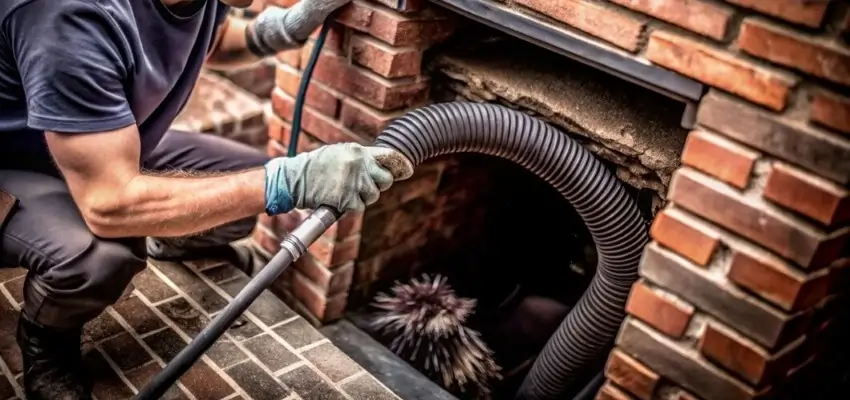
Chimney Cleaning that lifts soot and creosote in West Vancouver
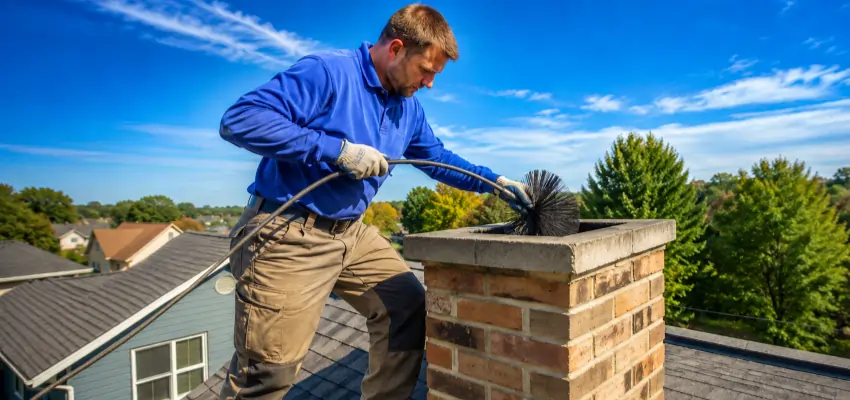
Why West Vancouver homeowners book Chimney Sweep visits yearly
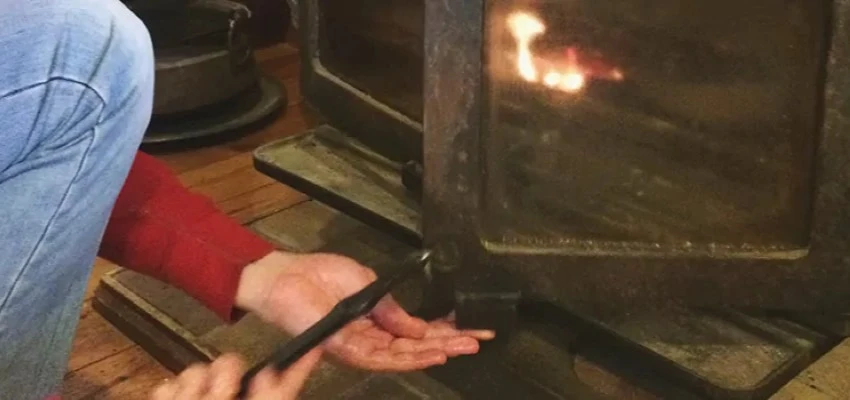
Swept and checked: Chimney Sweep Services in West Vancouver
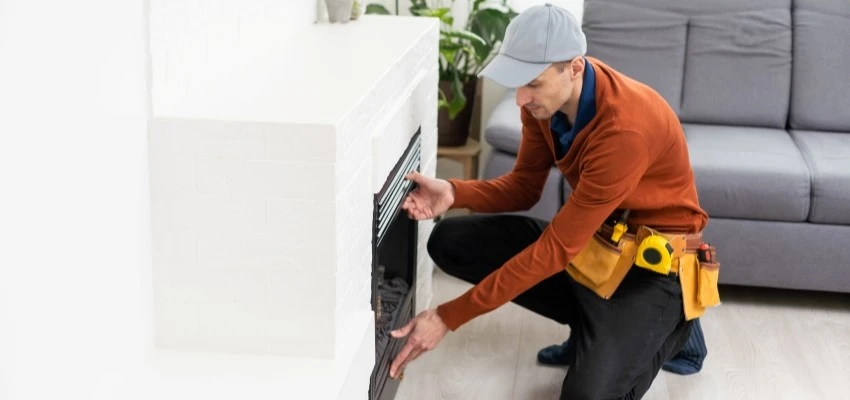
Ready for the season with Fireplace Experts in West Vancouver
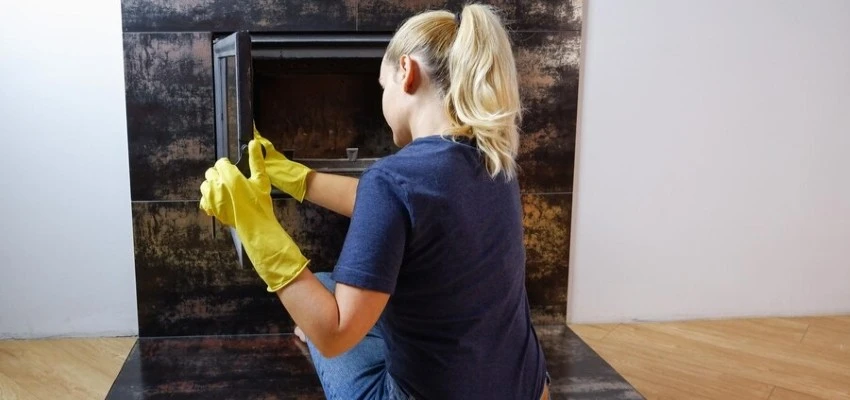
Control area vacuumed during Gas Fireplace Cleaning
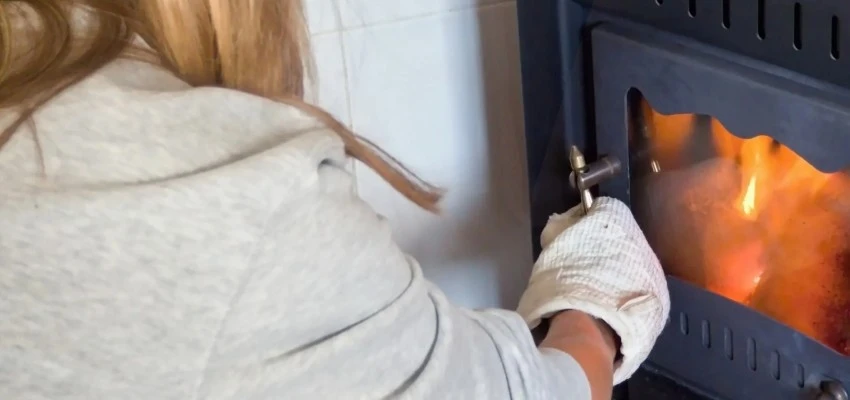
Catch a weak thermocouple early with Gas Fireplace Maintenance

