
Short on time? The essentials of fireplace rebuild fit on a single page, and this is it. Each answer opens with the direct reply and then adds the practical detail homeowners in West Vancouver tend to need: what causes a problem, what a visit fixes and what you can do between visits. If “fireplace rebuild” is what you typed, start with the questions closest to your situation and skip the rest.
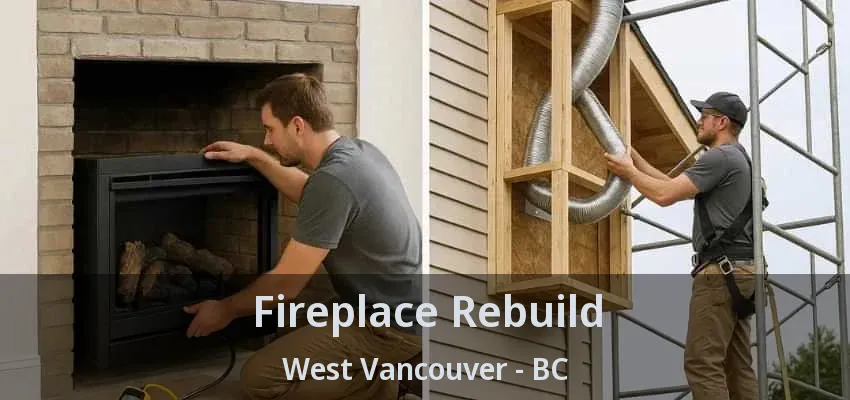
A firebox rebuild replaces the heat-facing lining inside the opening, while rebuilding the whole fireplace goes further. With a firebox job, the walls and floor of firebrick are removed and relaid, and the rest of the fireplace stays in place. A full fireplace rebuild can include the smoke chamber, the damper, the hearth, the outer face and sometimes the lower chimney, usually because damage has spread or the original construction was poor. The scope depends on what an inspection finds, so ask the company to show which parts are failing and why each one needs work.
The signs fall into two groups: what you hear during the fire and what we find after it. A fast chimney fire is often described as sounding like a freight train or a jet engine, with popping as tiles and deposits heat up. In that moment, the only job is to leave the house and call the fire department. Afterward, we look for creosote that has swelled into a honeycomb texture, discolored or distorted metal, cracked liner sections and stains where smoke escaped through gaps. Those clues matter because a quiet chimney fire can damage a flue without anyone noticing.
Cracked tiles are replaced one at a time when the base underneath is sound, and that base is the first thing we check. A single crack from a dropped log is a simple swap: we cut out the grout, lift the broken pieces, clean the bed and set a replacement using materials rated for the heat near a fire. Several cracks running in a line usually mean the hearth slab has shifted or the substrate is failing, and swapping tiles alone will not hold. Near the opening we avoid ordinary household tile adhesives, which can break down with heat and leave tiles loose again.
A firebox rebuild, the step taken once patching can no longer keep up, means removing the worn firebrick and mortar and laying new firebrick with refractory mortar made for high heat. It is usually recommended when many bricks are cracked, loose or crumbling, when gaps run through the back or side walls, or when earlier patches have failed. The work is done from inside the opening, with the room protected from dust. Afterward, the mortar needs time to cure before the first fire, and the first few fires should be small. Done properly, a rebuilt firebox can handle many seasons of regular use.
A common guideline is to have the chimney inspected once a year and swept whenever buildup calls for it, which for many households also works out to about once a year. Homes that burn a fire most evenings through the colder months may need a sweep more often, sometimes partway through the season, while a fireplace used a few times a year may go longer between cleanings. Wood stoves used as a main heat source tend to build up creosote faster. Damp wood, smoldering fires and cold outside chimneys all shorten the interval, so let the yearly check guide the schedule.

Most families stay at home, with some planning around the work area. The room with the fireplace is usually closed off with plastic sheeting, and the crew comes and goes through the nearest door. Expect noise from chiseling and cutting during working hours, plus some dust despite the precautions. Cutting is often done outside to keep the house cleaner. Keep pets and children away from the area, and plan not to use that room while the work and the cure time are underway. Ask the company for a day-by-day outline of the “fireplace rebuild” project before it starts.
There is no need to clean the fireplace or stove before the visit, although clearing out a deep pile of completely cold ash is helpful. Technicians empty the firebox as part of the job and can learn something from what is there, such as how much creosote is falling or whether bricks are flaking. What matters most is that the ashes are cold, which can take several days after the last fire, since buried embers stay hot far longer than they look. Do take out unburned logs, kindling and decorations so the firebox is easy to reach.
It varies with the material, and we give every customer a specific answer before we leave. Mortar holds moisture after it is laid, and a roaring fire drives that water out too fast, which can crack fresh joints or pop new firebrick. That is why we suggest waiting through the full cure period and then building a few small, short fires to bring everything up to temperature gradually. Stove repairs follow the same idea on a smaller scale: a new rope gasket, for example, settles in over a couple of gentle burns. Caps, screens and dampers can be used immediately.
Evidence is how you tell: a repair that is truly needed can be shown in photos or footage and explained in plain words. We never mind being the second opinion, and we are happy when homeowners get one on our own quotes. A solid quote breaks the job into steps, lists materials and says what happens if more damage turns up once work begins. When a recommendation feels like a lot, ask what would happen if you waited a season. A straight answer to that question, with the risks spelled out, is one of the clearest signs of a trustworthy quote.

We would rather you book the service you actually need than the biggest package on the list. Tell us what is going on and we will explain what we recommend for your fireplace and why. Call (778) 719-4326 to speak with the team serving West Vancouver.
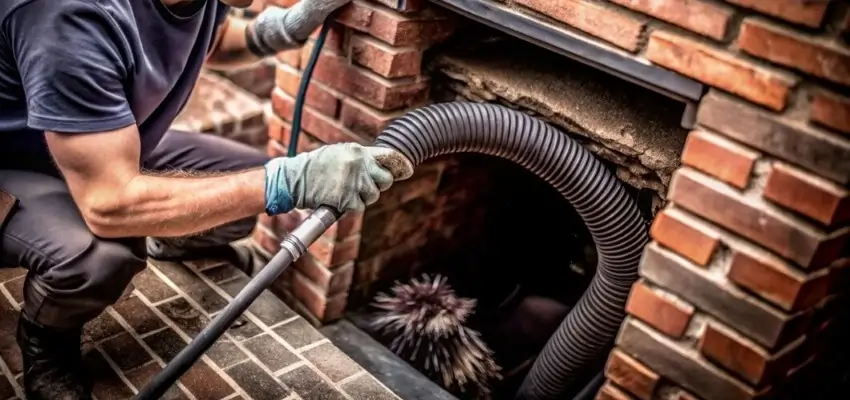
Chimney Cleaning that lifts soot and creosote in West Vancouver
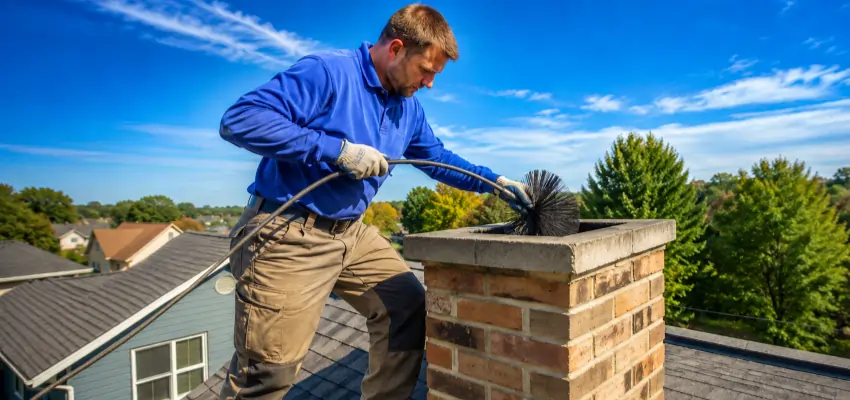
Why West Vancouver homeowners book Chimney Sweep visits yearly
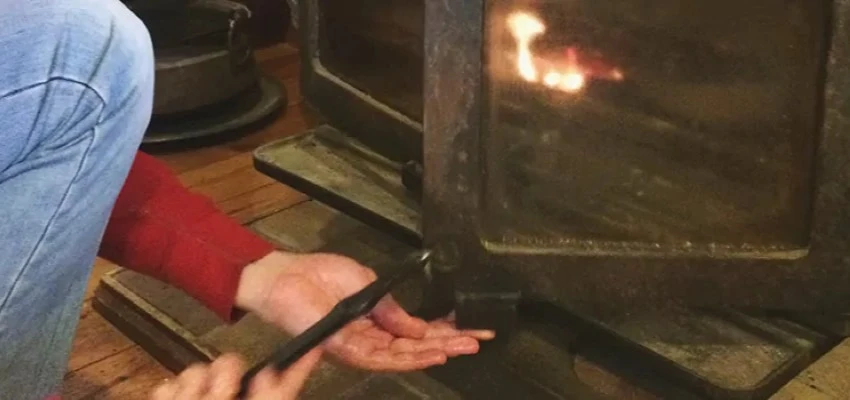
Swept and checked: Chimney Sweep Services in West Vancouver
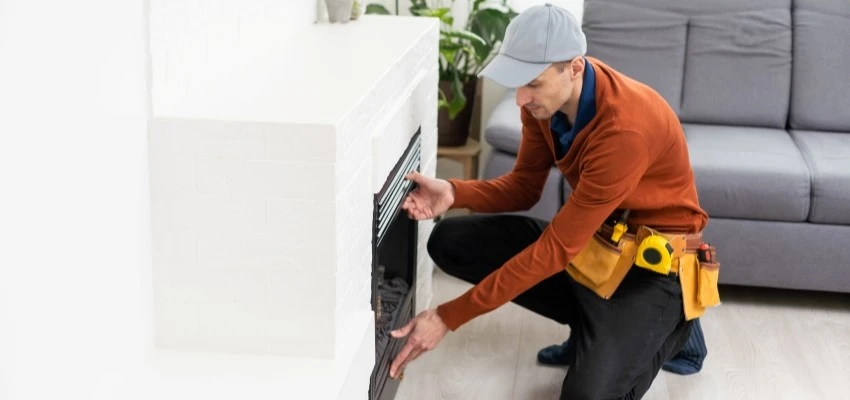
Ready for the season with Fireplace Experts in West Vancouver
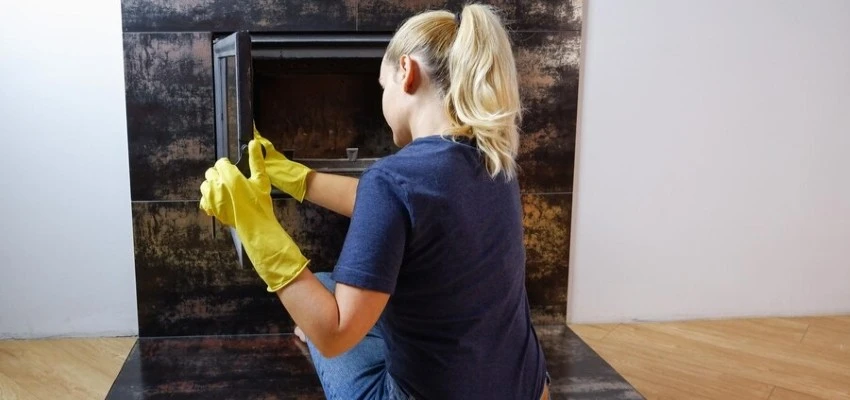
Control area vacuumed during Gas Fireplace Cleaning
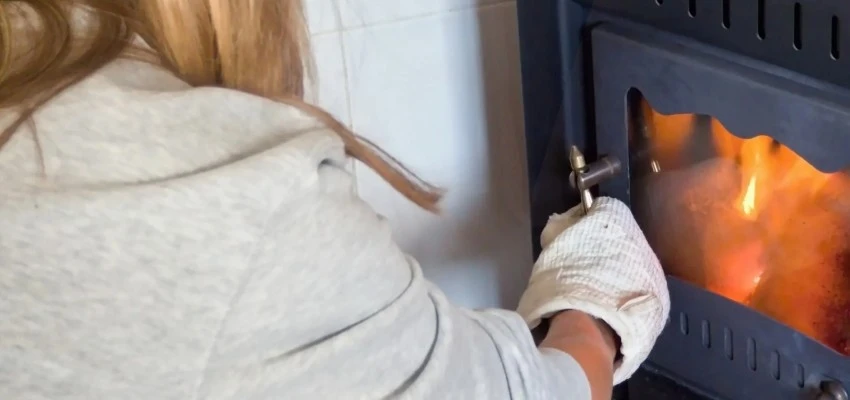
Catch a weak thermocouple early with Gas Fireplace Maintenance

