
Knowing a little about how your fireplace works makes every conversation with a technician easier. Why does creosote form? Which parts wear out? What is worth fixing now? Those threads run through this page, written for homeowners in West Vancouver who searched for “fireplace repair” and prefer to understand fireplace repair before deciding anything. Read it as a reference, whether or not you end up booking a visit.

Our rule of thumb is to repair what is wearing and replace what is failing. Worn parts are expected after many fires: joints that need repointing, a damper handle that seized, a door rope that no longer seals. Failing parts are another matter. A stove top cracked from overfiring, a prefabricated firebox with burned-through panels and no parts available, or a chimney that needs rebuilding along with the fireplace all push the math toward replacement. Some owners of old masonry fireplaces choose a wood insert instead, which reuses the chimney while giving a tighter, more controllable fire.
Repair work covers the parts that hold and guide the fire: the firebox and its firebrick, the mortar joints, the damper, the smoke chamber above it, the hearth and surround, and fittings such as glass doors and screens. Many companies also handle the chimney top, including the cap and crown, since water entering there often causes damage below. Factory-built units have their own parts, such as refractory panels and metal flue sections. When you book fireplace repair, describe what you have noticed so the visit focuses on the right area from the start.
It depends on the problem, and when in doubt, the answer is no. Cosmetic issues such as a chipped decorative tile or a loose trim piece far from the opening usually do not affect safety. Cracked firebrick, gaps in the firebox, a damaged flue, a damper that will not open, smoke spilling into the room or signs of a past chimney fire are reasons to stop using the fireplace until it is fixed. Ask the technician to say clearly which category your issue falls into. A few weeks without fires is a small trade for avoiding heat or smoke damage.
The clearest signs a fireplace needs repair are visible damage and changes in how it behaves. Look for cracked or loose firebrick, mortar that crumbles or leaves gaps, rust flakes falling into the firebox, a damper that sticks or will not close, and cracked tiles on the hearth or surround. Smoke drifting into the room, a strong odor in warm weather and water stains near the opening point to trouble too, often higher up in the chimney. Any one of these deserves a closer look before the next fire, and several together usually mean repairs are overdue.
A fireplace or stove needs cleaning when the flue turns matte black and furry with deposits, or when fires start losing their pull. We judge it by thickness and texture, but homeowners can spot the effects from the hearth. Fires get lazy, drafts weaken and the room picks up a stale smell between uses. In stoves, the glass blackens faster and the baffle collects a crust. Heavy users often reach that point before the season ends, while occasional users may go a full year or more. When in doubt, a quick inspection settles it without guesswork.

The repairs wood-burning fireplaces need most often are replacing damaged firebrick, repointing worn mortar joints, fixing or replacing the damper and repairing the chimney cap or crown. Firebrick cracks and joints erode after many fires, which can let heat reach the surrounding structure. Throat dampers rust, warp or seize, and many are replaced with a damper mounted at the top of the chimney. Caps blow off, and crowns crack and let water in. Hearth tiles, glass doors and screens need attention now and then as well. Most of these jobs are fixed in a single visit.
A sweep cleans the whole smoke path, and we work from the fire upward and from the room outward. First the hearth and nearby floor are covered, then a high-suction vacuum goes on, keeping the room under slight negative pressure so soot is drawn toward our equipment instead of drifting out. Brushing comes after that: rotary or wire brushes sized to the flue, pushed through in sections until the walls are clear. The smoke shelf behind the damper is where loose debris piles up, so it gets cleaned by hand. We finish by checking the damper seal, looking at the cap and showing the homeowner photos of anything worth discussing.
Fireplace repairs range from a single visit to several days, and the hands-on time is often shorter than the waiting around it. Replacing a damper or a few firebricks fits into one appointment. A full firebox rebuild or crown repair may take a day or more of work, and roof jobs depend on calm, dry weather. Then comes cure time, since refractory mortar and crown materials need to set properly before they face heat or rain. We give homeowners a realistic window for the whole project, including the wait before the first small fire, so nobody plans a cozy evening too early.
Many chimneys can be cleaned from inside, through the fireplace opening or stove, but a complete job often includes a look from the roof as well. Working from below with flexible rods handles plenty of flues, especially with a vacuum holding the dust back. The roof is where the cap, crown, flue top and outside masonry can be checked, and some caps or tight bends make cleaning from the top easier. Technicians only go up when weather and roof conditions allow it safely. Mention steep pitches, fragile roofing or tight ladder space when you book.

Once you know the work is due, the next step is simple. Tell us a little about your fireplace and the days that suit you, and we will suggest a time that works. Request a quote and the Chimney Sweep West Vancouver team will follow up with details.
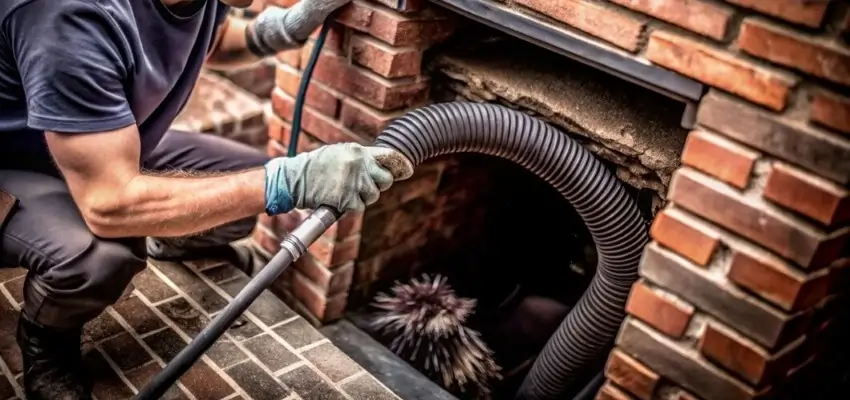
Chimney Cleaning that lifts soot and creosote in West Vancouver
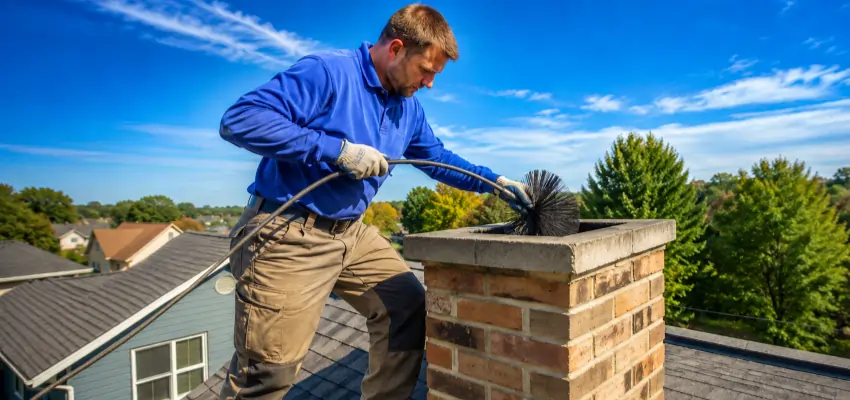
Why West Vancouver homeowners book Chimney Sweep visits yearly
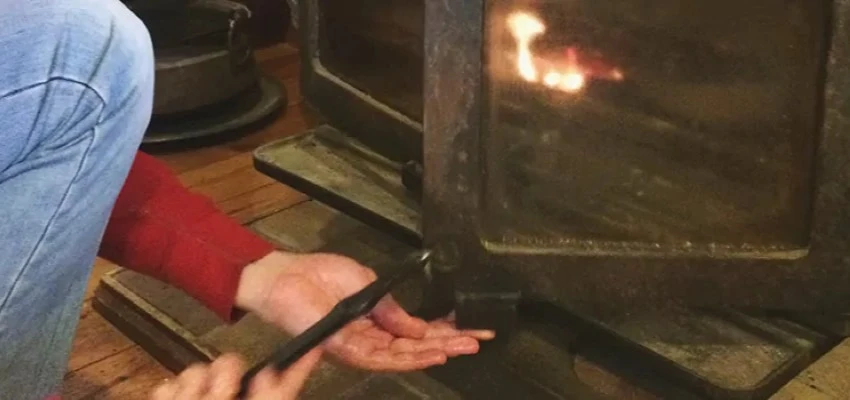
Swept and checked: Chimney Sweep Services in West Vancouver
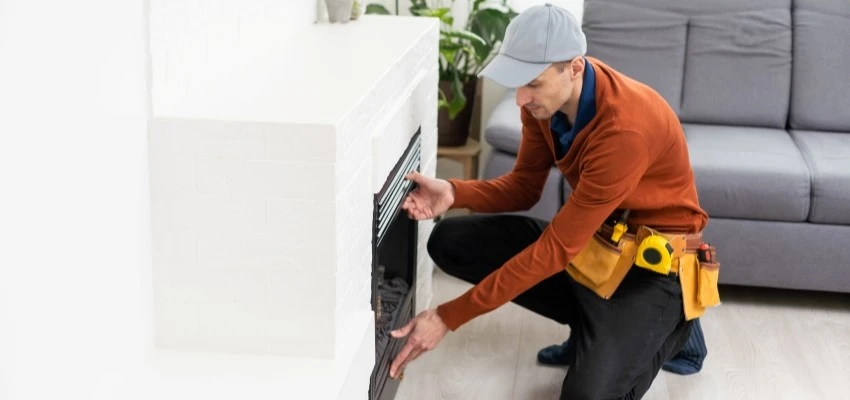
Ready for the season with Fireplace Experts in West Vancouver
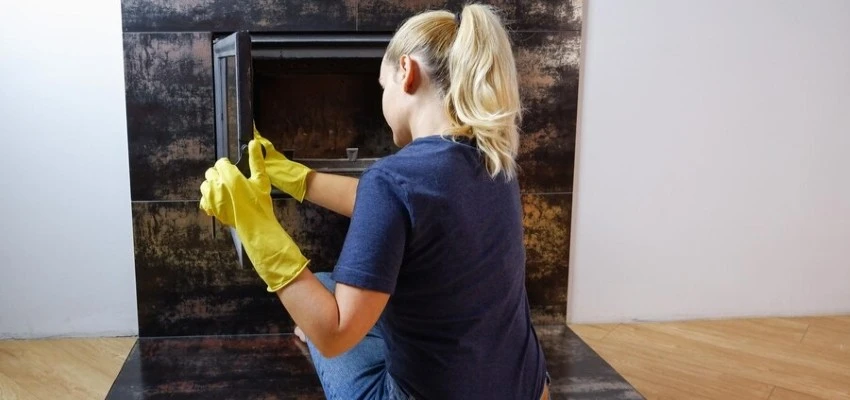
Control area vacuumed during Gas Fireplace Cleaning
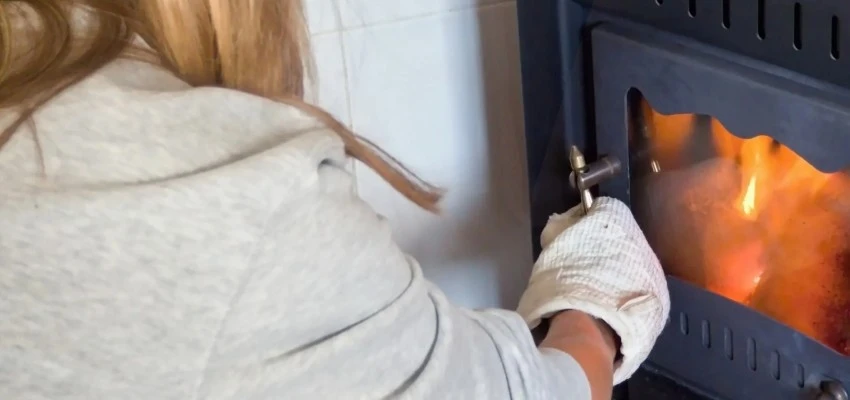
Catch a weak thermocouple early with Gas Fireplace Maintenance

