The months when a fireplace sits unused are often the easiest time to work on it. Masonry needs time to cure, materials may need ordering and nobody wants a half-finished hearth when the weather turns cold. If you searched for “fireplace restore & refurbish services” while planning ahead, the answers here help households in West Vancouver map out fireplace restoration and refurbishing, from the first inspection to the first fire afterward.
We lean toward restoration whenever the bones are good. Original fireplaces in older homes were often built with care, and their brickwork, tile insets or cast iron fronts are hard to reproduce. Restoring them means rebuilding what has failed out of sight, like eroded firebrick and a deteriorated smoke chamber, and conserving what makes the fireplace distinctive. Replacement enters the conversation when the firebox has shifted or cracked through, when earlier repairs used the wrong materials throughout or when the layout simply cannot be made safe. Either way, you should see the evidence before deciding.
Restoring aims to return a fireplace to its original condition and character, while refurbishing renews it, which can include updates the original never had. A restoration might rebuild a firebox with matching brick and reset original tiles; a refurbishment might keep the structure but add new doors, a fresh surround finish or a modern insert. Many projects blend the two: authentic where it matters, updated where it helps. When you look up “fireplace restore & refurbish services”, decide which parts you want preserved and which you are happy to change, since that shapes every quote.
Look for cracked or missing firebricks, gaps in the mortar joints, smoke that drifts into the room, a damper that sticks or will not close, rust or flaking metal and stains or cracks on the surround or mantel. Bits of mortar or brick in the ash, a strong odor after rain and drafts when the fireplace is cold are other clues. Any of these deserves a professional look, ideally before the next fire. Many homeowners also have the fireplace checked once a year, which catches small problems while they are still simple to fix.
A careful crew protects the room with drop cloths, plastic sheeting and tape before any cutting, chipping or grinding starts. Masonry and tile work create fine dust, so the fireplace opening is often sealed and a vacuum with fine filtration runs during the dustiest steps. The flooring in front of the hearth and the path to the door should be covered too. Expect some noise and a little dust despite the precautions, especially if old mortar or a surround is being removed. Ask how cleanup is handled at the end of each day and once the job is done.
Most firebox damage is repaired by repointing worn joints and replacing cracked bricks, without rebuilding the whole firebox. Old, loose mortar is raked out and replaced with refractory mortar made for direct heat, since ordinary mortar breaks down quickly in a firebox. Bricks that are cracked through or crumbling are cut out and replaced with matching firebrick. When large areas are failing, or the back wall has bulged, a section or the full firebox lining is rebuilt. Afterward, the repairs need time to cure, and the first fires should be kept small.
Often they can. Tiles are removed one at a time with care and cleaned, and the old adhesive is ground off their backs before they are reset on a sound base. Cracked tiles can sometimes be repaired, and missing ones replaced with salvaged or reproduction pieces chosen to match. Tiles that are still firmly attached may only need cleaning and fresh grout. Some old tiles are fragile, so a few losses are possible even with careful handling. If original tiles are part of the reason you searched for “fireplace restore & refurbish services”, make their protection a written part of the plan.
The cost depends mostly on the scope of work, the materials and what turns up once old surfaces come off. A simple refresh with paint or a new mantel shelf costs far less than full stone refacing, a gas conversion or rebuilding a firebox. Material choice matters too: natural stone, custom millwork and specialty tile cost more than standard options. Access, the size of the fireplace and any hidden damage add time, while gas work, liners and venting add parts. A clear, itemized quote that separates repairs from finishes makes options much easier to compare.
Most of what keeps a fireplace looking and working well happens between our visits. A yearly inspection is the backbone, because it catches mortar joints, damper parts and smoke chamber surfaces before they deteriorate. Day to day, the habits that matter are dry firewood, moderate fires and a hearth kept free of things that can scorch. New surrounds need little beyond gentle cleaning, though natural stone may benefit from occasional sealing if the supplier recommends it. On gas conversions, the yearly check shifts to the burner, ignition and venting. A short note after each visit helps everyone spot trends.
Choose a contractor who inspects before quoting, explains the plan in plain language and shows photos of similar finished work. Fireplace projects mix trades, so ask who does the masonry, who handles any gas work and whether a qualified gas technician is involved for conversions. A written quote should list materials, curing or waiting time and how surprises are handled. Read recent reviews for comments on tidiness, communication and whether jobs finished on schedule. Be wary of anyone who wants to cover a damaged firebox or smoke chamber with a new finish without fixing it.
Older homes often hide earlier repairs, odd layouts and materials that need a careful approach. Our technicians take the time to see how earlier work on your fireplace was done before recommending anything. Call (778) 719-4326 to talk about your home.
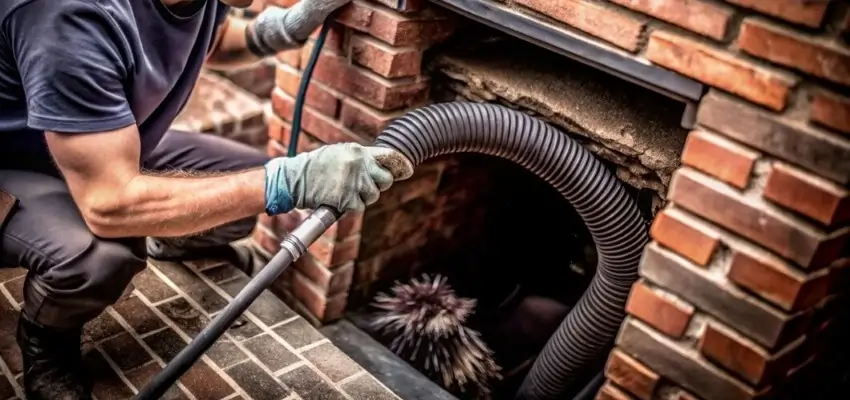
Chimney Cleaning that lifts soot and creosote in West Vancouver
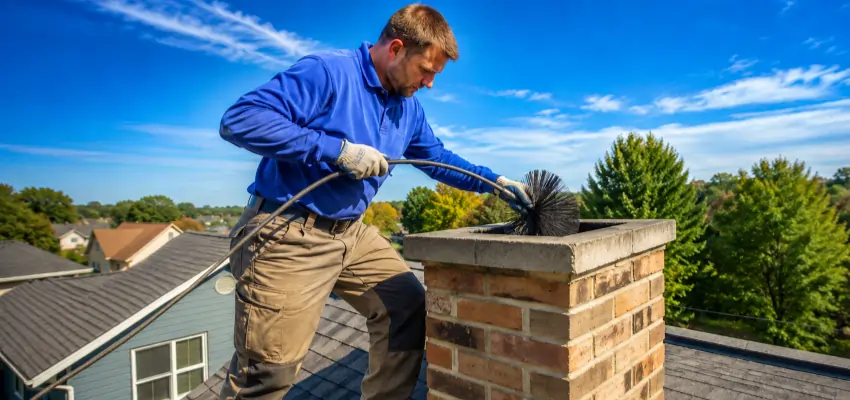
Why West Vancouver homeowners book Chimney Sweep visits yearly
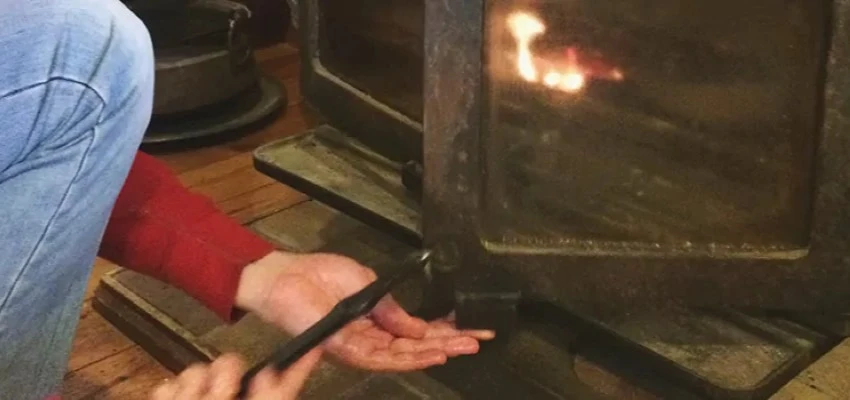
Swept and checked: Chimney Sweep Services in West Vancouver
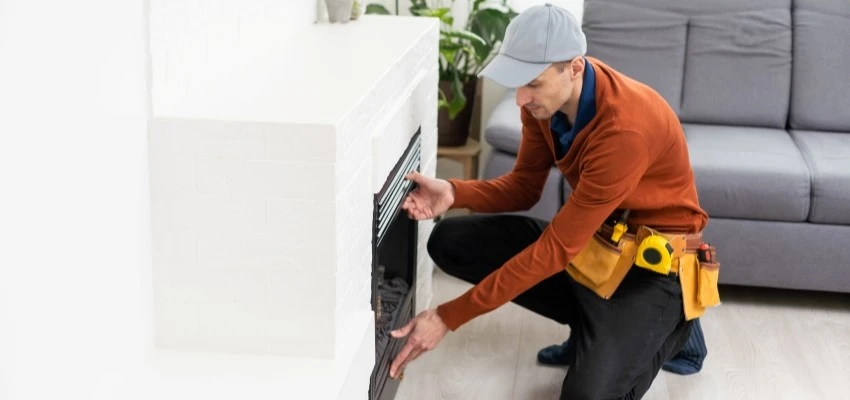
Ready for the season with Fireplace Experts in West Vancouver
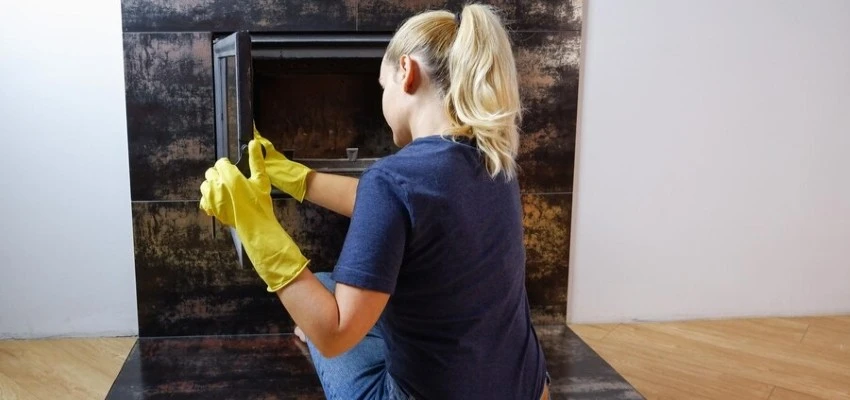
Control area vacuumed during Gas Fireplace Cleaning
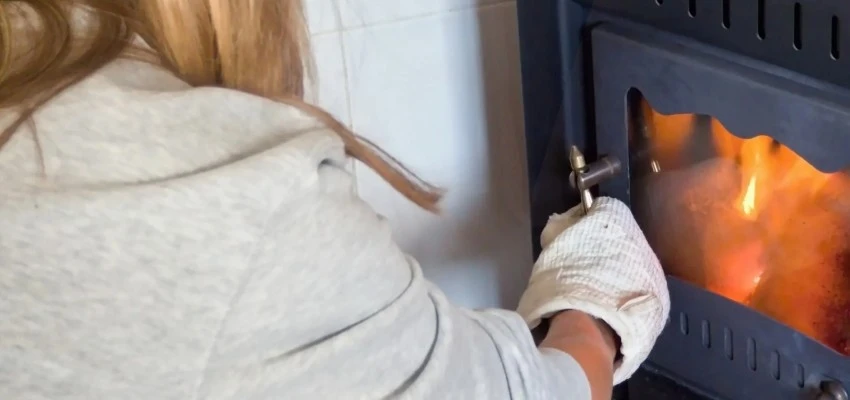
Catch a weak thermocouple early with Gas Fireplace Maintenance