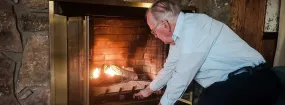
Buying a house with a fireplace or wood stove, or finally deciding to use one that has sat cold for years, raises a lot of questions at once. Homeowners in West Vancouver who type “fireplace safety inspection” are often in exactly that spot. The answers that follow walk through fireplace inspection step by step, so you know what to ask, what to expect from a visit and when it is safe to enjoy a fire again.
Creosote is the dark residue that forms when wood smoke cools and condenses inside a chimney or stovepipe, and it matters because it burns. It starts as dry, flaky soot, can thicken into a crunchy or sticky tar and at its worst becomes a hard, shiny glaze. A thick layer can ignite and cause a chimney fire. Creosote builds faster when wood is damp, when fires smolder with too little air and when the flue stays cold, as it often does in a chimney on an outside wall. Burning dry wood with a lively flame and having the flue swept when buildup appears keeps it under control.
A fireplace becomes unsafe when it can no longer keep heat, sparks and smoke where they belong. The usual culprits are heavy creosote that can ignite, cracked flue tiles or firebrick that let heat reach wood framing, a missing or damaged hearth extension, mantels and trim too close to the opening and blockages that push smoke and carbon monoxide into the room. Missing smoke and carbon monoxide alarms add to the risk. A fireplace safety inspection looks for each of these in turn, so you know whether to keep using the fireplace, plan a repair or stop until it is fixed.
A common guideline is to have a wood-burning fireplace inspected once a year, ideally before the heating season, plus at a few specific moments. Those include buying or selling a home, after a chimney fire, a lightning strike or a severe storm, before using a fireplace that has sat idle, and when you change how you burn, for example by adding an insert. An inspection also makes sense whenever you notice smoke in the room, odors, water stains or loose masonry. Pairing the yearly inspection with a sweep keeps it to a single visit.
Not until someone has looked inside, because an idle chimney fills up with things nobody can see from the room. On a first visit to a long-unused fireplace or stove, we routinely pull out nests, twigs, leaves and fallen mortar. We also check for animals that may still be living in the flue, a damper rusted shut and flue tiles that cracked while nobody was watching. Then we sweep, run a camera up the flue when needed and walk the homeowner through what we saw. Many of these systems go back into service after a cleaning and a few repairs.
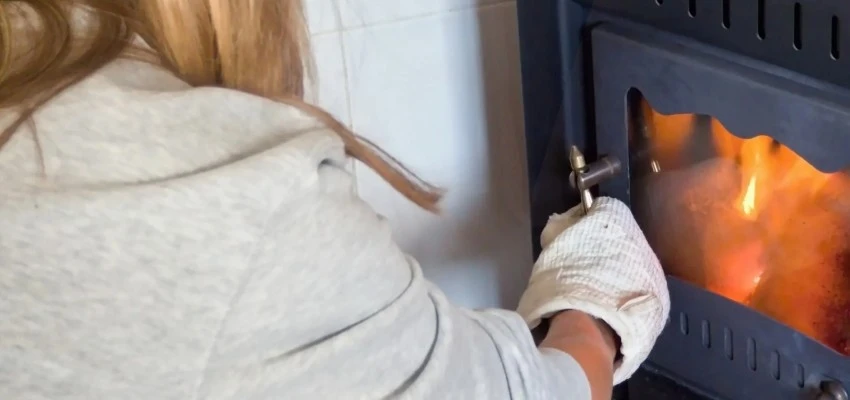
It should. Wood fires produce carbon monoxide, and anything that stops smoke from leaving the house raises the risk. During the inspection, the technician checks for blockages in the flue, gaps or cracks that let gases leak, a damper that does not open fully and signs of smoke spillage such as soot marks above the opening. They may also ask about kitchen and bathroom fans that can pull air down the chimney. Expect a reminder to keep carbon monoxide alarms working on every level and near bedrooms, and to replace them as the maker recommends.
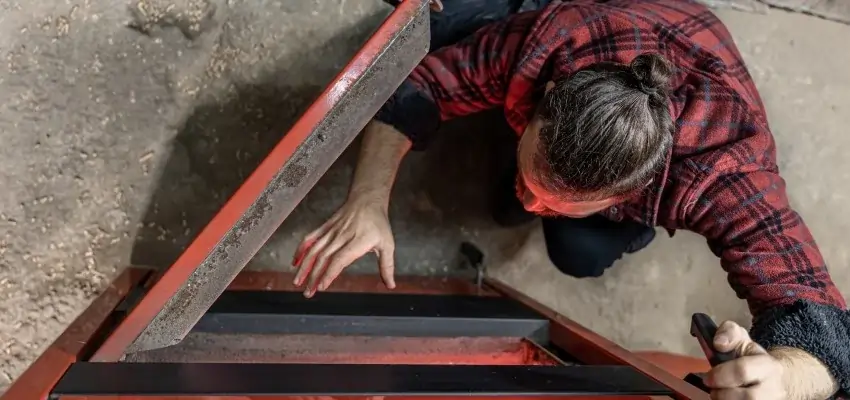
During a fireplace sweep, the technician cleans the full smoke path from the firebox to the top of the chimney while keeping soot out of your room. A typical visit starts with drop cloths and a sealed opening, with a vacuum running to hold fine dust back. Brushes on flexible rods are then run through the flue, from below, from the roof or both. The smoke shelf and smoke chamber above the damper are cleared, the damper is cleaned and tested, and ash and debris are removed from the firebox. You should get a short summary of what was found.
A common guideline is to have the chimney inspected once a year and swept whenever buildup calls for it, which for many households also works out to about once a year. Homes that burn a fire most evenings through the colder months may need a sweep more often, sometimes partway through the season, while a fireplace used a few times a year may go longer between cleanings. Wood stoves used as a main heat source tend to build up creosote faster. Damp wood, smoldering fires and cold outside chimneys all shorten the interval, so let the yearly check guide the schedule.
A routine cleaning or inspection usually takes about one to two hours, and a combined sweep and inspection can run a little longer. Time depends on how much creosote has built up, how tall the chimney is, whether the roof has to be accessed and whether a stovepipe must come apart. Glazed deposits and any small repairs agreed on during the visit add time, while larger masonry work is normally scheduled separately. Plan to be home for the whole visit and allow a few minutes at the end to go over the findings. Describing your setup when booking helps the company estimate the time.
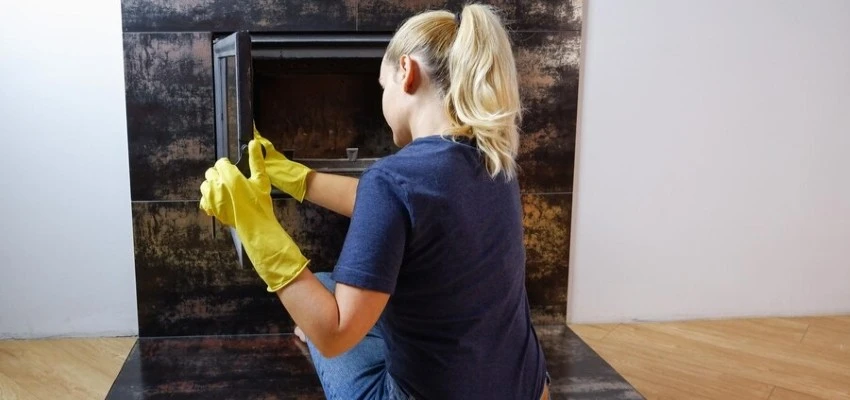
Everyday upkeep is a homeowner job, but sweeping and inspecting the chimney are better left to a professional. Safe tasks include removing cold ashes, cleaning glass doors with a product made for fireplace or stove glass, keeping the hearth area clear, checking that the damper opens and closes and testing smoke and carbon monoxide alarms. Brush kits are sold, but they cannot tell you whether the liner is cracked, the smoke chamber is coated or the cap is damaged, and climbing onto a roof brings its own risk. A professional visit includes a look at the parts you cannot see.
A quote is easier to trust when it is based on your actual home. Share the basics, such as the type of home and what prompted the call, and we will explain what fireplace inspection would involve. Ask for your quote here, with no obligation to book.
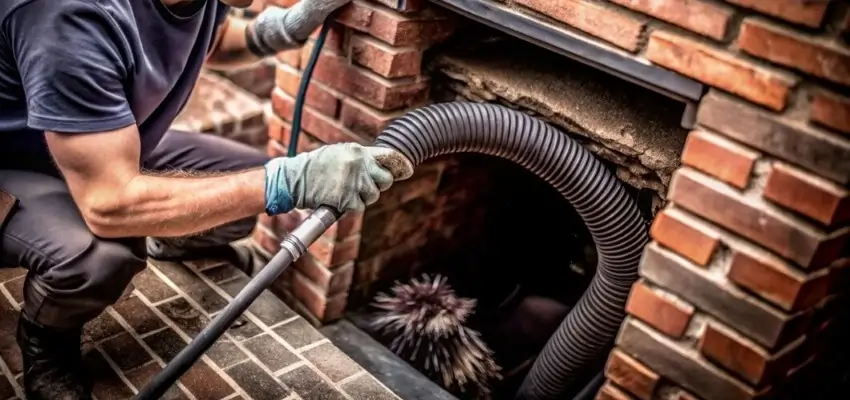
Chimney Cleaning that lifts soot and creosote in West Vancouver
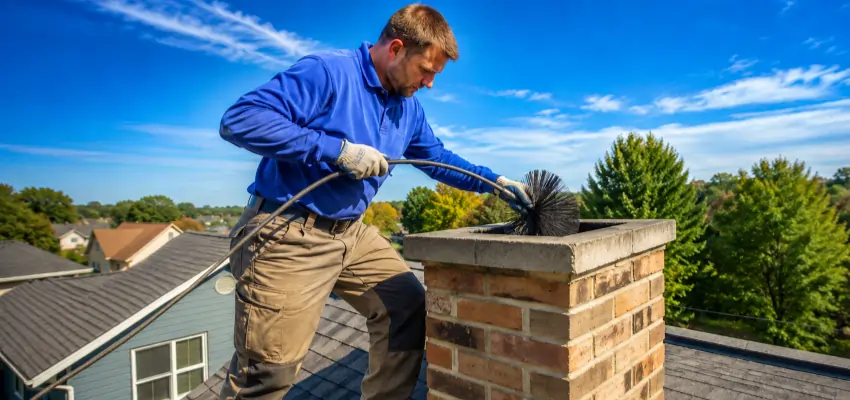
Why West Vancouver homeowners book Chimney Sweep visits yearly
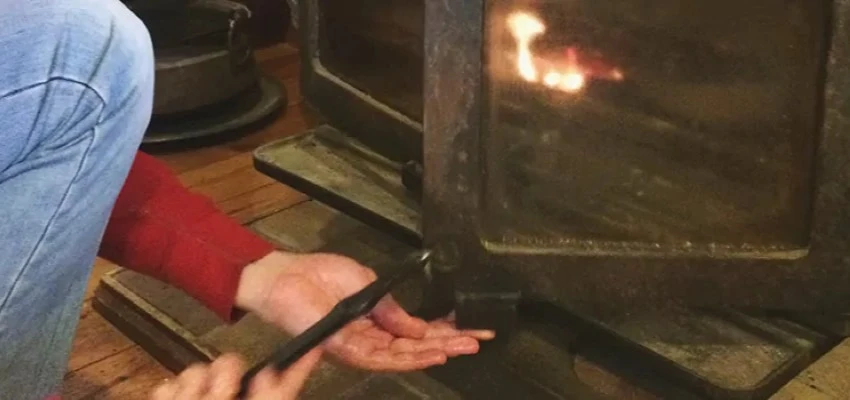
Swept and checked: Chimney Sweep Services in West Vancouver
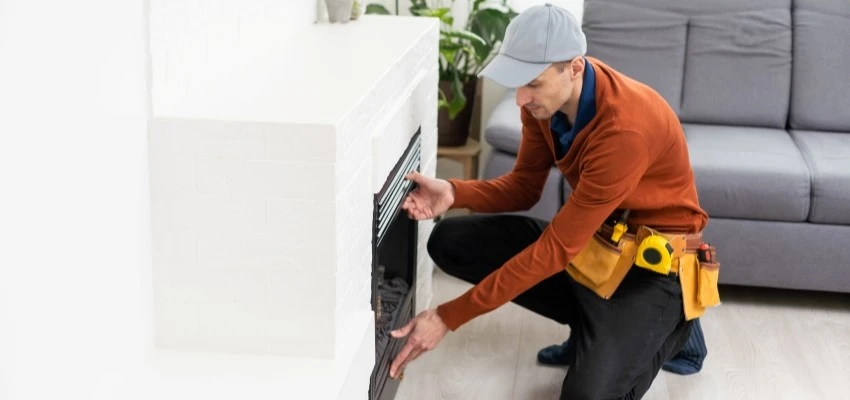
Ready for the season with Fireplace Experts in West Vancouver
Control area vacuumed during Gas Fireplace Cleaning
Catch a weak thermocouple early with Gas Fireplace Maintenance