
Most of what homeowners ask about wood fires comes down to three worries: is it safe, is it working properly and what will it take to fix? This page tackles all three for households in West Vancouver. If you arrived by searching for “fireplace service company”, you will find fireplace service explained without jargon, with notes on what changes from one home to the next and which checks need no ladder or tools.
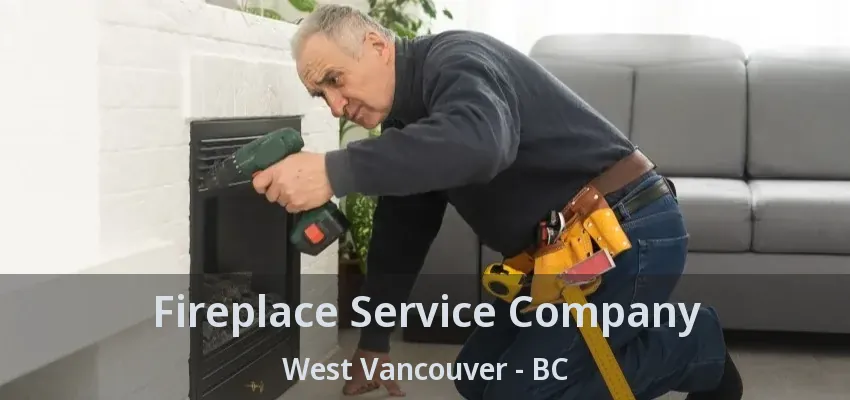
You know it is time when the flue shows visible buildup or the fire starts behaving differently. With everything cold, shine a flashlight up past the open damper or into the stove outlet: a layer of soot or creosote that you can scrape with a poker is a common sign. Other clues include fires that are harder to start or keep going, smoke lingering in the room, a strong smoky smell, black flakes falling onto the hearth and stove glass that darkens quickly. If nobody remembers the last cleaning, that alone is a good reason to book one.
A sweep cleans the whole smoke path, and we work from the fire upward and from the room outward. First the hearth and nearby floor are covered, then a high-suction vacuum goes on, keeping the room under slight negative pressure so soot is drawn toward our equipment instead of drifting out. Brushing comes after that: rotary or wire brushes sized to the flue, pushed through in sections until the walls are clear. The smoke shelf behind the damper is where loose debris piles up, so it gets cleaned by hand. We finish by checking the damper seal, looking at the cap and showing the homeowner photos of anything worth discussing.
Quotes vary because no two chimneys take the same time, equipment or care. A single-story home with a short chimney and light buildup is quick work. A tall or steep roof needs more setup and safety gear. Heavy or glazed creosote takes extra passes and different tools. A camera scan adds time but leaves you with a record of the flue. Findings then become their own items: a missing cap, a damper that will not close or loose firebrick are priced separately. That is why we ask a few questions about your fireplace before giving any figure.
Start with a cold firebox and clear floor space; those two things make the biggest difference on the day. Ashes need to be cool enough to handle safely, so skip the fire the evening before, and we need room in front of the hearth to lay down covers and set up a vacuum. Fragile pieces on the mantel are better moved by you than by us. Outside, we look for a level spot for a ladder and an easy route to it. A dog that dislikes visitors, an alarm code or a sticky gate are all worth mentioning ahead of time.
It depends on the chimney, and the decision is made on the day. Plenty of flues are swept from the firebox upward with rods, which keeps us off delicate roofing. We still like to see the top, because the cap, the crown and the last few feet of flue are where weather and animals cause trouble. On steep or slippery roofs, we may set a ladder at the eave and use a camera instead of walking the surface. Rain, ice and strong wind mean the roof portion waits for a better day. Either way, you should hear what the top looks like, not just the bottom.

You can keep things tidy between visits, but the flue is where do-it-yourself efforts fall short. We regularly find chimneys that were brushed from below with a kit that missed the smoke shelf, pushed debris onto a closed damper or knocked soot loose without anyone noticing a cracked tile. Any work on the liner or masonry belongs with a professional. A sensible split is simple: ashes, glass, alarms and firewood are yours; sweeping, inspection and anything structural go to a technician. That division keeps you safe and puts experienced eyes on the parts that matter.
A reminder or recurring plan helps if you tend to forget when the fireplace was last looked at. Many companies can note your service date and contact you before the next season, and some offer to book the visit at the same time each year. That keeps inspections regular, spreads the workload into quieter months and builds a history of your fireplace. Read what any plan includes and whether it commits you to anything. A note on your own calendar works just as well if you prefer to stay flexible.
Choose a company that explains its work clearly, inspects before recommending repairs and puts its quote in writing. A good company asks about your fireplace or stove before the visit, protects your floors during the work, shows you photos of what it finds and separates urgent problems from optional ones. Recent reviews that mention tidiness, punctuality and straight advice are worth reading. Experience with your type of appliance, whether masonry, factory-built or a stove, matters as well. Treat pressure to decide on the spot, or alarming claims with no photos behind them, as a reason to call someone else.
Organization shows before, during and after the visit. Before, you should get a confirmed appointment, an arrival window and a reminder of how to prepare. During, the technician arrives with the right equipment for the job described, protects the room and keeps you informed. After, you receive notes or photos, a clear invoice and an easy way to ask questions. When you are comparing results for “fireplace service company”, small details such as returned calls and accurate paperwork are a good preview of how carefully the work itself will be done.
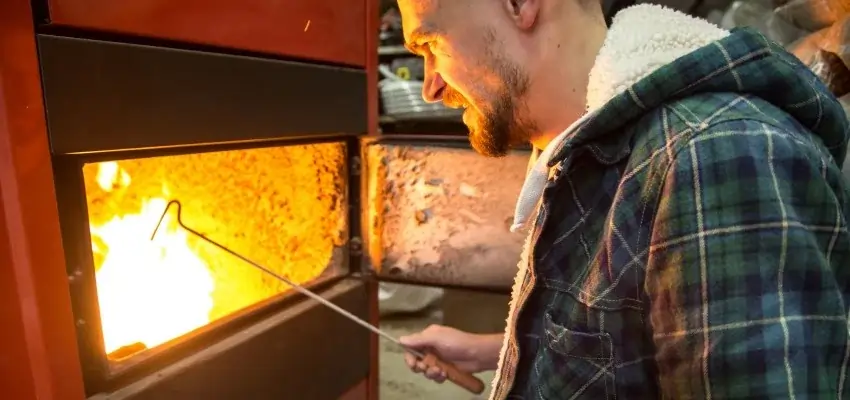
A good visit looks at the whole system around your fireplace, not just the part you asked about. That is how Chimney Sweep West Vancouver approaches every home in West Vancouver. Book fireplace service and get a complete, honest overview of where things stand.
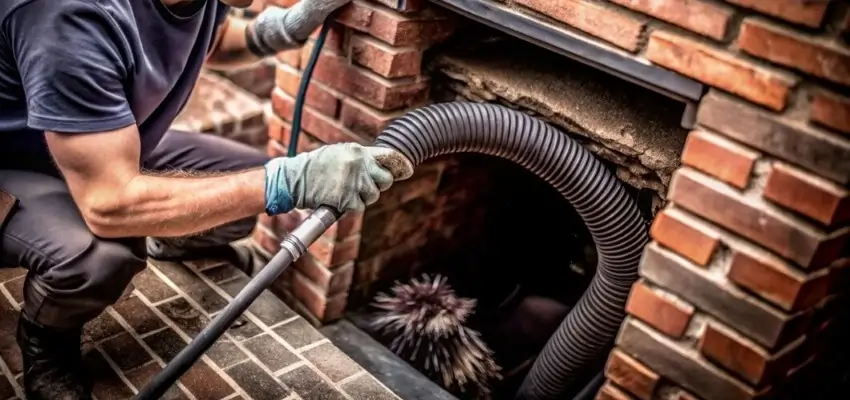
Chimney Cleaning that lifts soot and creosote in West Vancouver

Why West Vancouver homeowners book Chimney Sweep visits yearly
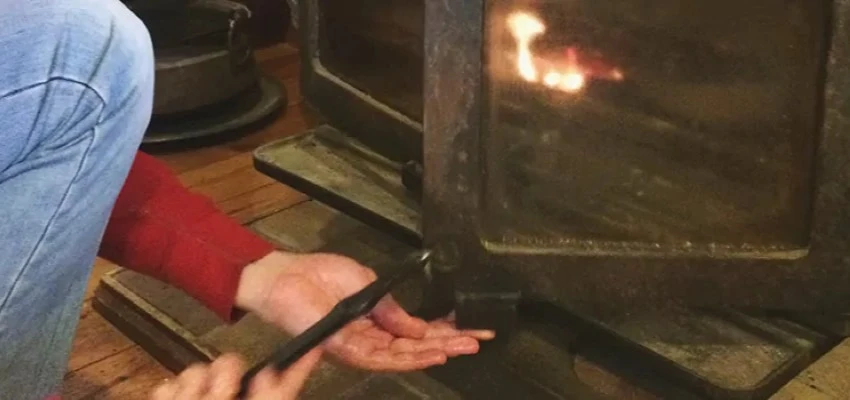
Swept and checked: Chimney Sweep Services in West Vancouver
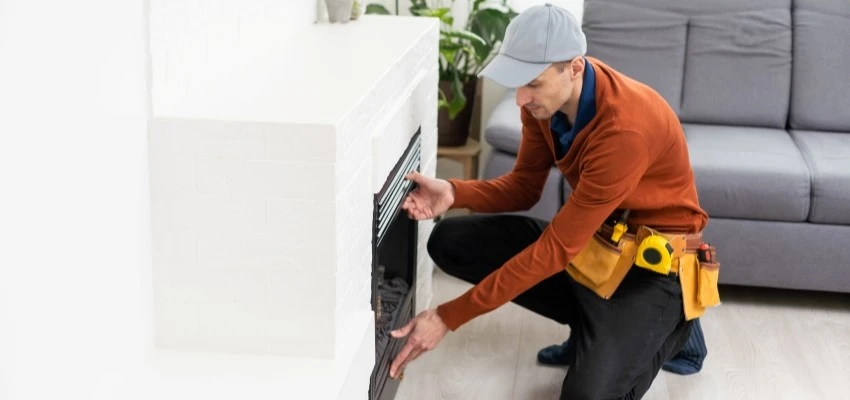
Ready for the season with Fireplace Experts in West Vancouver
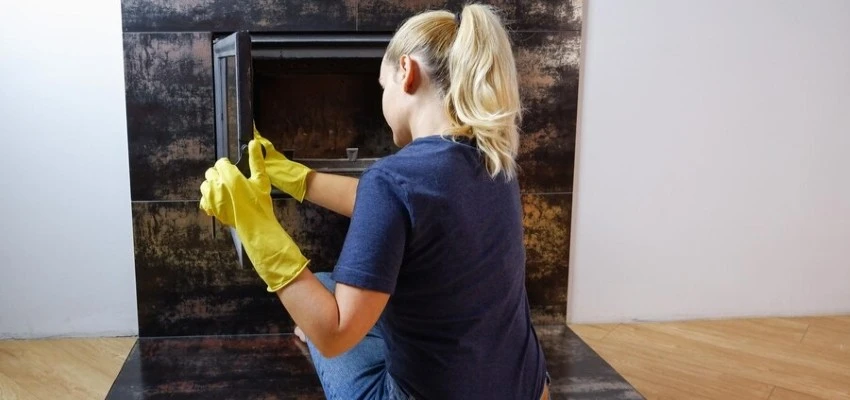
Control area vacuumed during Gas Fireplace Cleaning
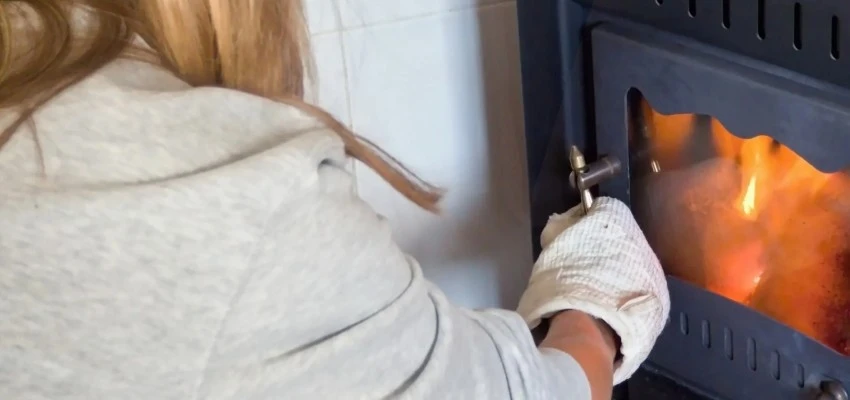
Catch a weak thermocouple early with Gas Fireplace Maintenance

