
A wood fire is one of the simple pleasures of the colder months, and keeping it that way takes a little care behind the scenes. If you searched for “fireplace sweep”, you are probably weighing what your fireplace needs now and what can wait. This page gathers straight answers for homeowners in West Vancouver about fireplace sweeping: what a technician looks at, what tends to wear out and which small habits keep fires burning cleanly between visits.

Creosote is the dark residue that forms when wood smoke cools and condenses inside a chimney or stovepipe, and it matters because it burns. It starts as dry, flaky soot, can thicken into a crunchy or sticky tar and at its worst becomes a hard, shiny glaze. A thick layer can ignite and cause a chimney fire. Creosote builds faster when wood is damp, when fires smolder with too little air and when the flue stays cold, as it often does in a chimney on an outside wall. Burning dry wood with a lively flame and having the flue swept when buildup appears keeps it under control.
The term usually refers to cleaning the chimney flue above a fireplace, and sometimes to the person who does it. The work removes soot and creosote from the flue, the smoke chamber and the smoke shelf, then clears the firebox below. Many people search for “fireplace sweep” when they mean a chimney cleaning, and the two are essentially the same job for a wood-burning fireplace. A thorough sweep also includes a look at the damper and cap, since the technician is already examining the whole smoke path.
A chimney fire often announces itself with a loud roaring or rumbling sound, popping and cracking noises, thick smoke and a strong, hot smell, sometimes with flames or sparks shooting from the top. If you notice these, get everyone out of the house and call the fire department from outside. Not every chimney fire is dramatic, though. Slow-burning ones can go unnoticed and leave quieter clues: flaky, puffed-up creosote, a warped damper or cap, cracked flue tiles and debris on the roof or ground. After any suspected chimney fire, have the system inspected before it is used again.
A fireplace or stove usually smells when it is not in use because creosote and soot in the flue give off odor, especially in humid weather. Moist summer air reacts with those deposits and makes the smell stronger, and rain coming down an uncapped chimney adds a damp, musty note. The house can make it worse: kitchen and bathroom fans or a running dryer can pull air down the chimney and into the room. A sweep removes most of the source, a cap keeps rain out and a tightly closing damper cuts the downdraft. A sharp, rotten smell is different and can mean an animal in the flue.
We take care of the smell by removing its source first and then cutting off its path indoors. Cleaning removes most of the odor-producing deposits, including the sticky layer that builds up on the smoke shelf or behind a stove baffle. Then we look at why air is flowing down the chimney: a damper that does not seal, a missing cap letting rain soak the soot, or a house pulling air through exhaust fans. Fixes range from a new damper gasket to a top-sealing damper or a cap. Odor that survives all that sometimes comes from deposits soaked into the masonry, which may call for a deodorizing product applied by the technician.

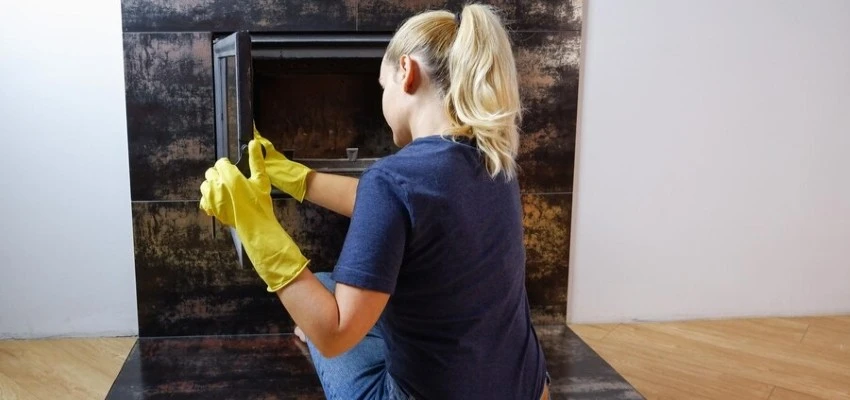
There is no need to clean the fireplace or stove before the visit, although clearing out a deep pile of completely cold ash is helpful. Technicians empty the firebox as part of the job and can learn something from what is there, such as how much creosote is falling or whether bricks are flaking. What matters most is that the ashes are cold, which can take several days after the last fire, since buried embers stay hot far longer than they look. Do take out unburned logs, kindling and decorations so the firebox is easy to reach.
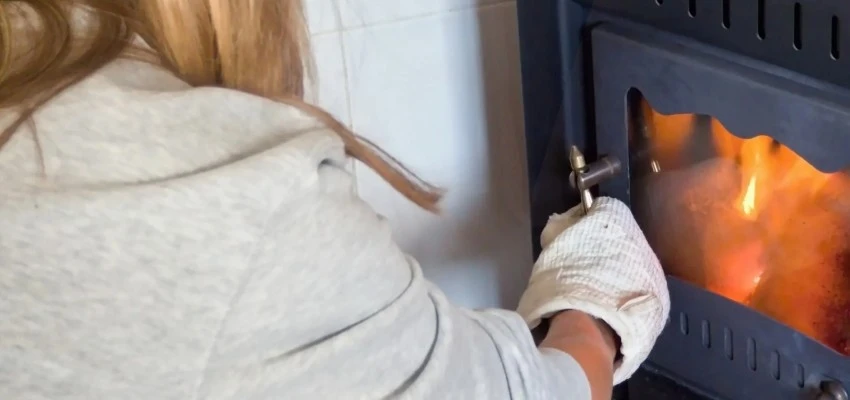
Remove ashes only when they are completely cold, using a metal shovel and a metal container with a tight lid. Ashes can hide live embers for several days, so wait well after the last fire and stir them gently to check for warmth. Set the closed container outside on a non-combustible surface, away from the house, decks and anything that burns, and never put ashes in a paper bag, plastic bin or household vacuum. In an open fireplace, a thin bed of ash can help the next fire, while stoves need more regular emptying so air can reach the coals.
Fires should light more easily, draw more strongly and leave less smoke in the room. Black flakes on the hearth should stop for a while, and a stale smell in warm weather often fades. The first fire after the visit may give off a faint odor as small bits of loosened residue burn off, which is normal. If smoke still spills into the room or the smell stays strong, the cause may be a draft issue rather than buildup, and that is worth raising with the company that did the “fireplace sweep” visit.
Look for a company that explains its thinking and backs it with evidence; that is what we would want from anyone working on our own homes. A team that knows the work asks what kind of appliance you have, how you use it and what you have noticed. On the visit, it shows you the inside of the flue rather than handing down a verdict, and it tells you plainly when something can wait. Careful setup and clean-up say a lot about the rest of the job. Scare tactics are a red flag, because a real problem can be shown in a photo and explained calmly.

From townhouses to detached homes, we see a wide range of setups around West Vancouver and plan each visit around the home in front of us. If it is time to have your fireplace looked at, get in touch with Chimney Sweep West Vancouver and we will arrange a time that suits you.
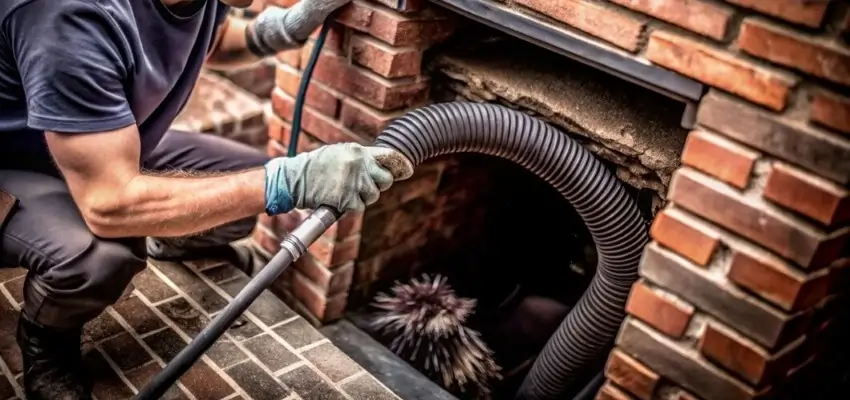
Chimney Cleaning that lifts soot and creosote in West Vancouver
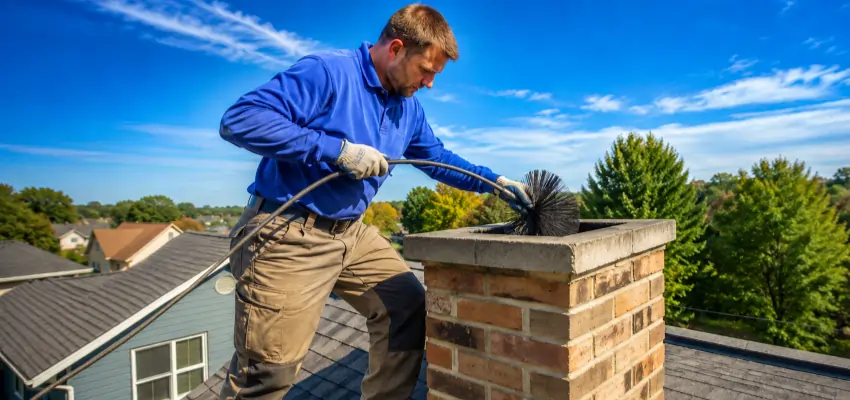
Why West Vancouver homeowners book Chimney Sweep visits yearly
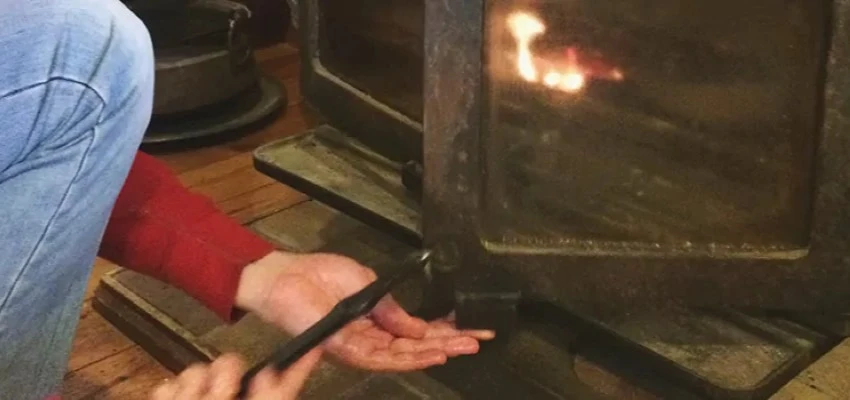
Swept and checked: Chimney Sweep Services in West Vancouver
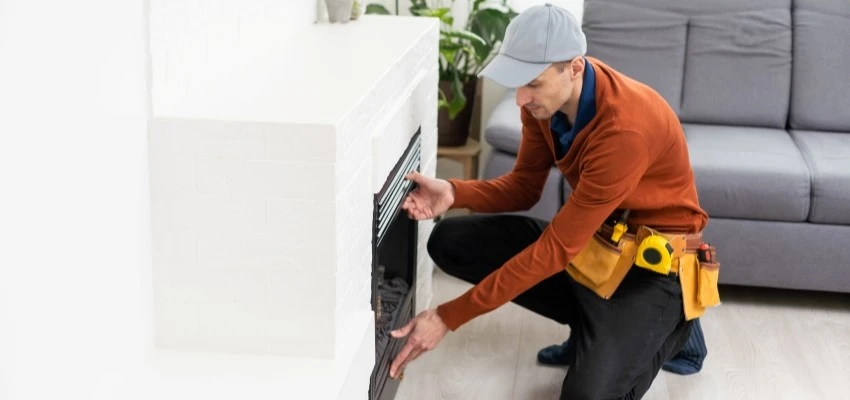
Ready for the season with Fireplace Experts in West Vancouver
Control area vacuumed during Gas Fireplace Cleaning
Catch a weak thermocouple early with Gas Fireplace Maintenance

