
Before the next fire, it helps to know what is happening above the flames. Every load of wood leaves a little residue in the chimney, and every season of heating and cooling tests the mortar, metal and seals that keep smoke where it belongs. People in West Vancouver who look up “fireplace technician” usually want to know whether their own fireplace needs attention. The answers on this page explain fireplace service plainly, without scare tactics.

Creosote is unburned fuel: tiny droplets of tar and gas that leave the fire, cool on the way up and stick to the flue walls. We grade it by texture on every job. A light, powdery coat brushes away easily. A thicker, flaky or bubbly layer takes more effort and tells us fires are running cool or the wood is wet. A glossy, glazed coating is the one that concerns us, because it is stubborn to remove and burns intensely if it catches. Where we find heavy deposits, we talk through wood and burning habits, since changing those is what slows the next round of buildup.
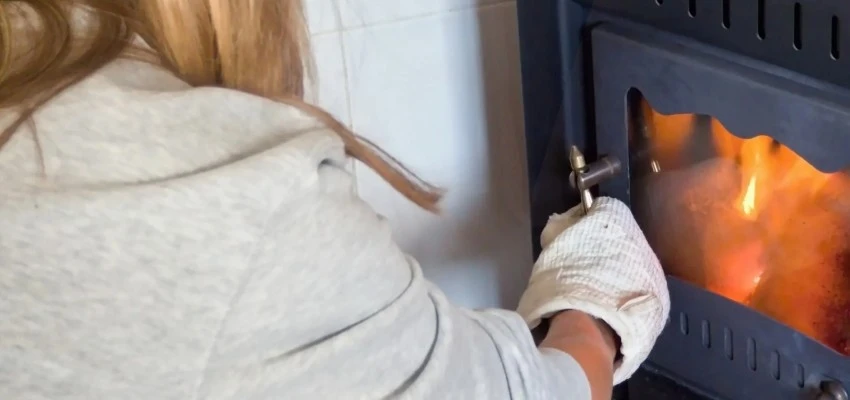
A wood-burning fireplace or stove needs regular care because every fire leaves residue behind, and that residue builds up where you cannot see it. Smoke cools as it rises and coats the flue with soot and creosote, which narrows the passage and can catch fire. Heat also slowly wears down mortar, firebrick, door seals and metal parts. Left alone for years, those small changes add up to poor drafts, smoky rooms and costly repairs. A yearly check, plus a sweep when buildup calls for it, keeps the fire drawing well and catches problems while they are still minor. Working smoke and carbon monoxide alarms complete the picture.
Odor in warm months is one of the most common calls we get, and the cause is nearly always creosote reacting with humidity. Those deposits absorb moisture and release a stale campfire smell, which drifts indoors whenever the house draws air down the flue. We clean the flue to remove the source, check whether the damper seals and look at the cap, since rain soaking into soot makes things noticeably worse. In homes around West Vancouver where the problem keeps returning, a top-sealing damper that closes at the very top of the chimney is often the change that settles it.
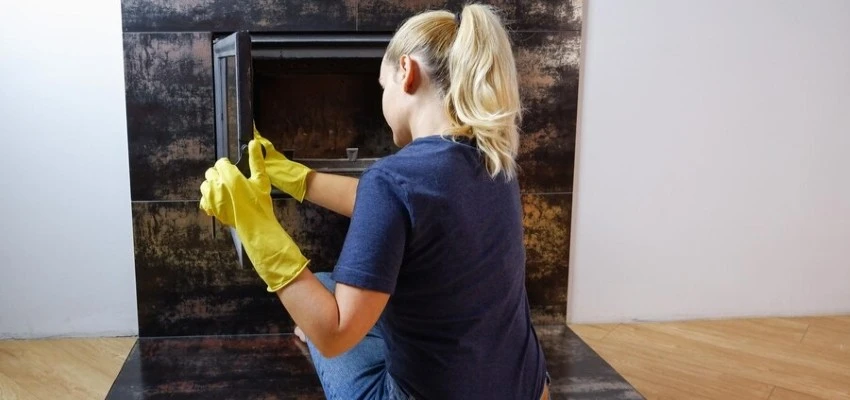
A sweep cleans the whole smoke path, and we work from the fire upward and from the room outward. First the hearth and nearby floor are covered, then a high-suction vacuum goes on, keeping the room under slight negative pressure so soot is drawn toward our equipment instead of drifting out. Brushing comes after that: rotary or wire brushes sized to the flue, pushed through in sections until the walls are clear. The smoke shelf behind the damper is where loose debris piles up, so it gets cleaned by hand. We finish by checking the damper seal, looking at the cap and showing the homeowner photos of anything worth discussing.
A typical visit follows a simple pattern: listen, look, clean or repair, test and explain. The technician starts by asking what you have noticed, then inspects the firebox, damper, flue and, where possible, the chimney top. Cleaning or agreed repairs come next, with the room protected throughout. Before leaving, they check that the damper works, the cap is secure and nothing was disturbed, then walk you through the findings. If you searched for “fireplace technician” because of one specific problem, mention it first so it gets attention right away.

A routine cleaning or inspection usually takes about one to two hours, and a combined sweep and inspection can run a little longer. Time depends on how much creosote has built up, how tall the chimney is, whether the roof has to be accessed and whether a stovepipe must come apart. Glazed deposits and any small repairs agreed on during the visit add time, while larger masonry work is normally scheduled separately. Plan to be home for the whole visit and allow a few minutes at the end to go over the findings. Describing your setup when booking helps the company estimate the time.
Write down what happens, when it happens and what you have tried. Note whether smoke appears at lighting, mid-fire or when a door opens elsewhere, whether smells come with rain or humid weather and whether the problem started after a change such as new windows or a kitchen fan. A short video of the smoke or sound can be very helpful. Bring questions about wood, burning habits and how often to book. A fireplace technician can then spend the visit solving your actual problem instead of guessing at it.
We ask about the appliance, the house and the symptoms, because those three answers decide what we bring. Is it an open fireplace, a stove or an insert? One story or two? Any idea when it was last swept? Has anything changed, such as a renovation, a storm or a new smell? Those answers tell us whether to load tall ladders, a camera, pipe parts or masonry tools. Being specific about the problem also helps us say honestly whether a cleaning, an inspection or a repair visit is the right first step.
Dry, seasoned wood that has been split and stored for six months to a year or longer burns cleanest, because it lights easily and produces less smoke and creosote. Wet wood wastes heat boiling off water, smolders and coats the flue faster. Well-seasoned pieces are lighter, show cracks across the ends and sound hollow when knocked together, and an inexpensive moisture meter takes out the guesswork. Splitting and stacking wood in spring, off the ground and covered on top, usually has it ready for the colder months. Never burn painted or pressure-treated lumber, trash or cardboard boxes.

It is easy to forget about the parts of a home you rarely see. Booking fireplace service now means one less thing to wonder about later in the year. Request a quote from Chimney Sweep West Vancouver and choose a visit time that fits around your week.
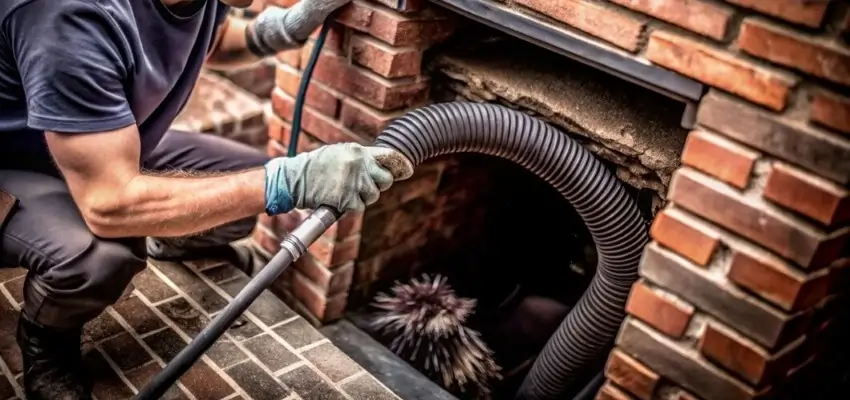
Chimney Cleaning that lifts soot and creosote in West Vancouver
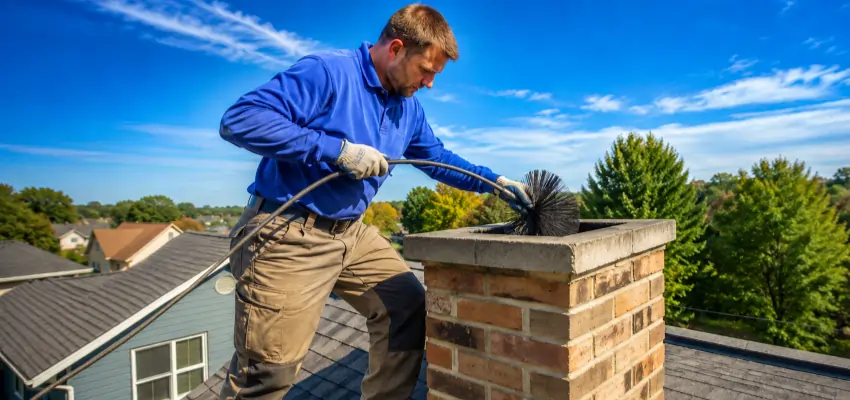
Why West Vancouver homeowners book Chimney Sweep visits yearly
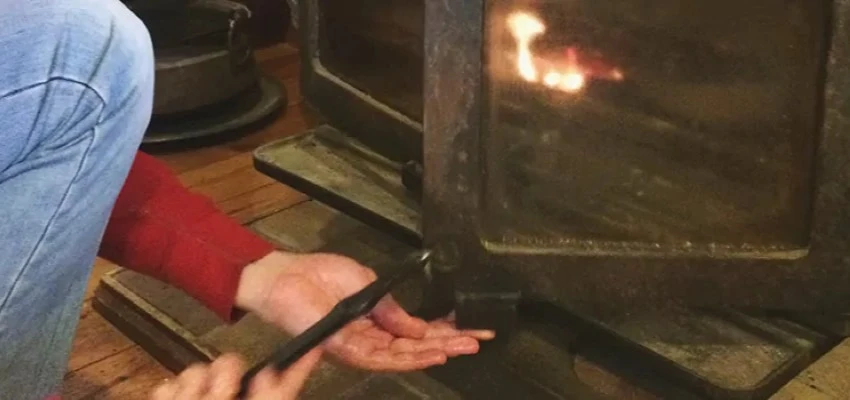
Swept and checked: Chimney Sweep Services in West Vancouver
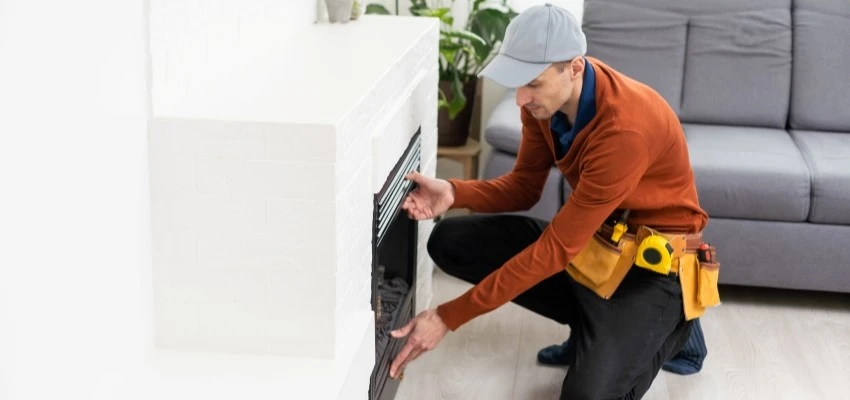
Ready for the season with Fireplace Experts in West Vancouver
Control area vacuumed during Gas Fireplace Cleaning
Catch a weak thermocouple early with Gas Fireplace Maintenance

