Before you ask for a quote, it helps to know what a sensible plan looks like. Homeowners in West Vancouver who search for “flue tiles cracked repair” often get very different advice from different companies, and it is hard to tell which fits their house. The questions below cover flue tile repair in a practical, even-handed way, with notes on cost factors, timing and the points worth raising with any contractor.
A chimney is an engine that runs on temperature difference, and most of the problems we fix come from something upsetting it. Hot exhaust in the flue is lighter than the outdoor air, so it rises and draws combustion air into the firebox. A cold, oversized or leaky flue weakens that pull; a cap clogged with soot, a nest or a top that sits below a nearby roof peak can block or even reverse it. That is why we care about the height of the stack, the size and condition of the flue and whatever is sitting on top. Get those right, and smoke goes where it should.
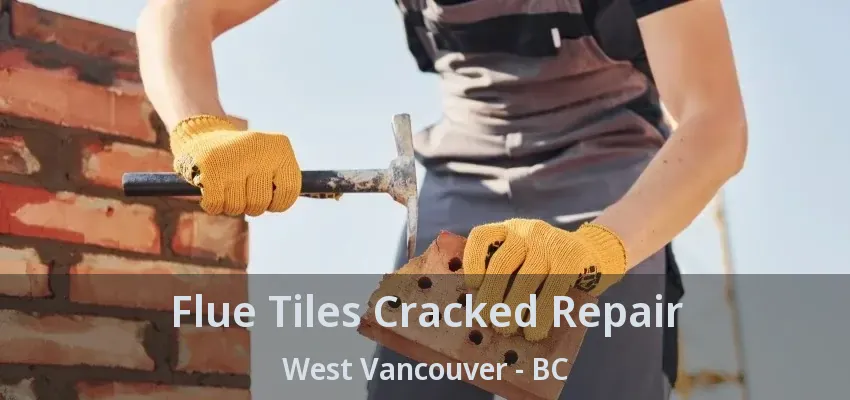
It is not recommended. Cracked or gapped tiles can let heat reach the masonry and nearby wood framing, and they can let smoke and gases seep into the walls or other flues. A small crack may look harmless, but you cannot judge its depth or the condition of the tiles above it from the fireplace. Until the flue has been inspected and repaired, keep the fireplace or appliance on that flue out of use, and make sure carbon monoxide alarms are working. Homeowners researching “flue tiles cracked repair” usually find the inspection is quick and the options are clear once the footage is reviewed.
Expect the crew to arrive, confirm the plan with you and protect the work area before anything else. Inside, that usually means drop cloths around the fireplace and sometimes plastic sheeting over the opening. Outside, ladders or roof equipment are set up and the area below the chimney is kept clear. The main work then follows the agreed scope, with pauses for materials to set if masonry or coatings are involved. At the end, the crew should clean up, show you the finished work or photos of it and explain any care instructions, including when the fireplace can be used again.
Not always. When damage is limited to a few hairline cracks or open joints and the rest of the flue is sound, resurfacing with a heat-resistant coating can be enough. When several tiles are broken, shifted or missing, or when the flue also needs resizing for a new appliance, a full stainless or cast-in-place liner is usually the more reliable fix. Cost, the appliance and the flue’s overall condition all play a part. Ask the company handling your flue tile repair to show you the footage and explain why it chose one approach over the other.
Some chimney work can be done in almost any weather, but masonry, crown work and water repellents need mild, dry conditions. Mortar and concrete should not freeze while they cure, and coatings need dry brick to soak in properly, so those jobs are usually planned for spring through fall. Liner installation, pot fitting and some interior work are less sensitive, though roof access still depends on ice, wind and rain. Booking ahead of the cooler months gives the widest choice of dates. If the forecast turns, a careful company will reschedule rather than rush.
We recommend once a year for most homes and treat it like any other seasonal service. The yearly visit lets us see how repairs, repellents, pots or new liners are holding up and catch small issues while they are cheap to fix. We suggest an extra look after high winds, hail or lightning nearby, after any chimney fire and when an appliance is added or swapped. Homes that burn a lot of wood may need sweeping more than once a season. Keeping a simple log of dates and findings makes it easy to spot trends over time.
Start by letting the fireplace or stove go cold at least a day before, and clear the hearth of screens, tools, logs and decorations. Move furniture and rugs back a few feet. Outside, clear the area below the chimney of cars, planters, bikes and patio furniture, and unlock gates so ladders can come through. Let the company know about pets, alarms, skylights or solar panels near the chimney. If the job involves the attic, a closet or the basement, make sure those spaces are reachable. A few minutes of preparation saves time on the day.
Tell the company what the chimney is made of, what it serves and what you want done or have noticed. Mention the type of fireplace or appliance, how many stories the house has, how steep the roof is and whether the chimney is brick, stone or a framed chase. Share any history: past repairs, a chimney fire, recent roof work or a new appliance. A few photos of the chimney from the yard and of the fireplace help a lot. These details let the company bring the right parts and give you a realistic estimate.
Choose a chimney contractor that inspects before quoting, explains the cause of the problem and shows you evidence. Look for a company that does the specific work you need, whether flue repair, chimney pots, waterproofing or factory-built chimney installation, and ask to see photos of similar jobs. A clear written quote, a realistic timeline and an explanation of how the home will be protected are good signs. Read recent reviews for comments about communication and tidiness. Be cautious with anyone who pushes a large job without photos or pressures you to decide on the spot.
If another company gave you a recommendation that does not feel right, we are happy to take a fresh look. You will get our honest view of your chimney, with no pressure either way. Ask Chimney Sweep West Vancouver for a second look in West Vancouver.
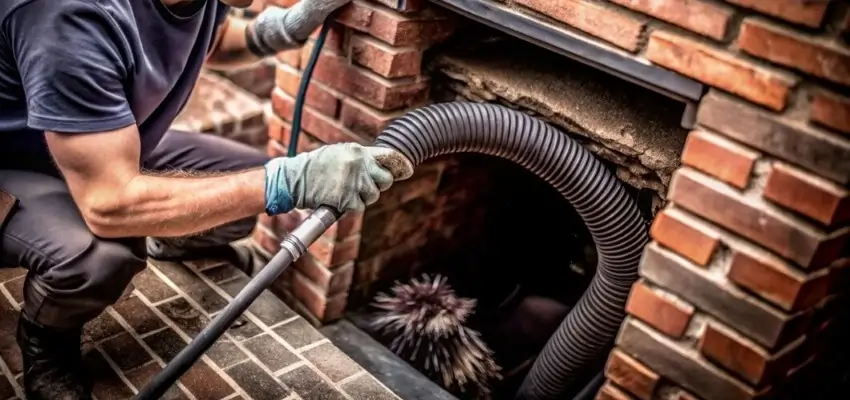
Chimney Cleaning that lifts soot and creosote in West Vancouver
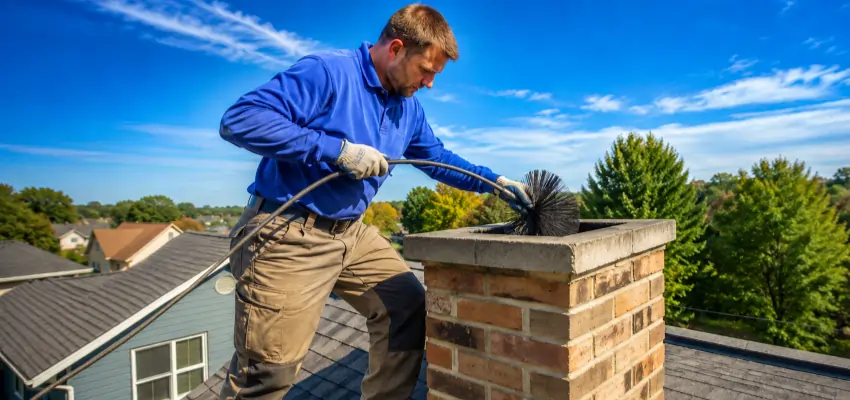
Why West Vancouver homeowners book Chimney Sweep visits yearly
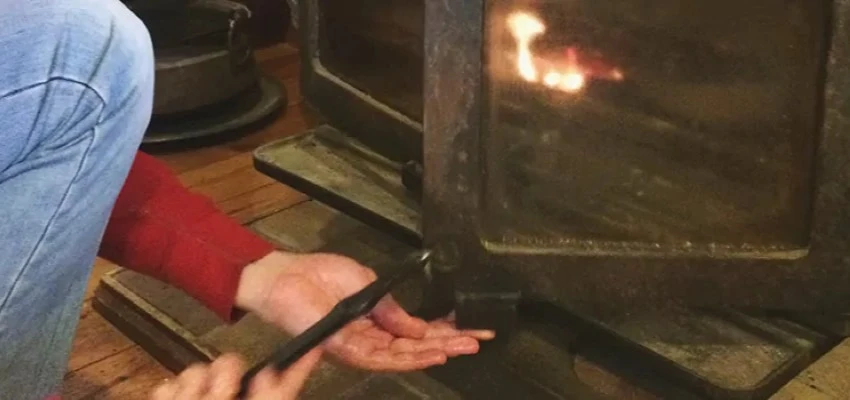
Swept and checked: Chimney Sweep Services in West Vancouver
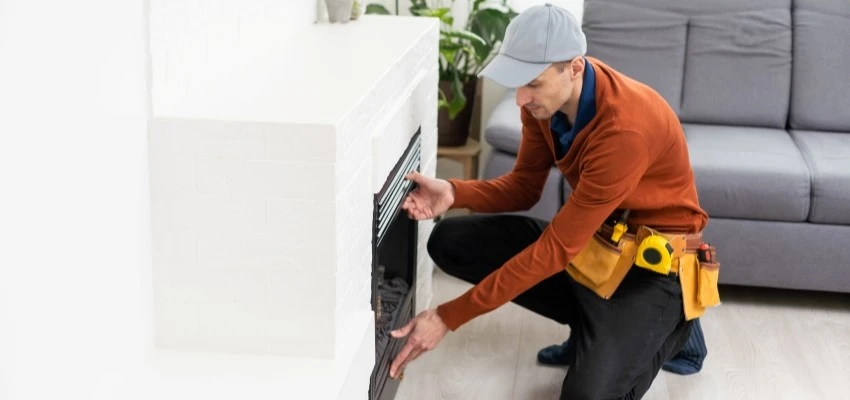
Ready for the season with Fireplace Experts in West Vancouver
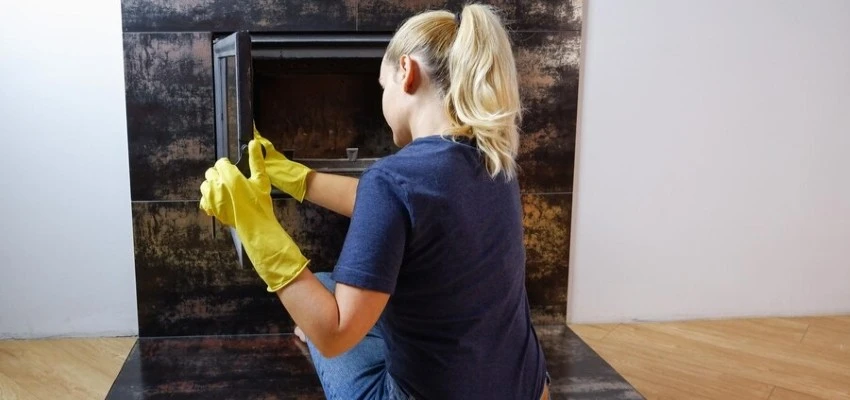
Control area vacuumed during Gas Fireplace Cleaning
Catch a weak thermocouple early with Gas Fireplace Maintenance