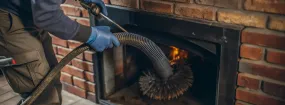
Whether your gas fireplace is new to you or has warmed the living room for many winters, doubts tend to creep in sooner or later. An odd smell, cloudy glass or a flame that looks different from last year is enough to make anyone wonder. For homeowners in West Vancouver who typed “gas fireplace cleaning”, this page offers calm, practical answers about gas fireplace tune-up and cleaning, along with the safety steps every household with a gas appliance should know.
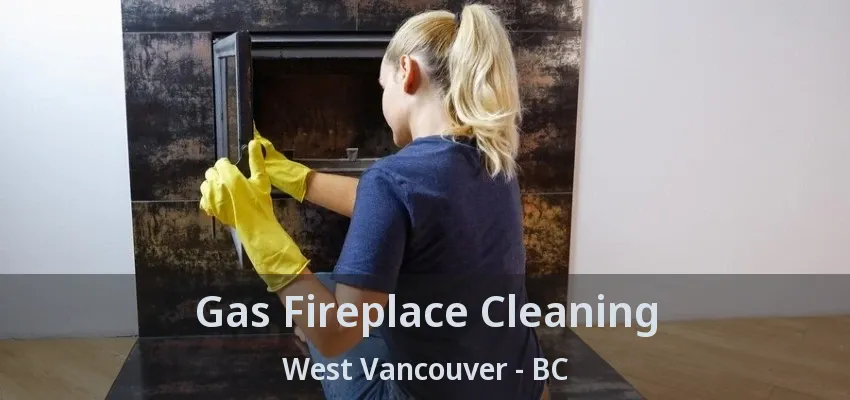
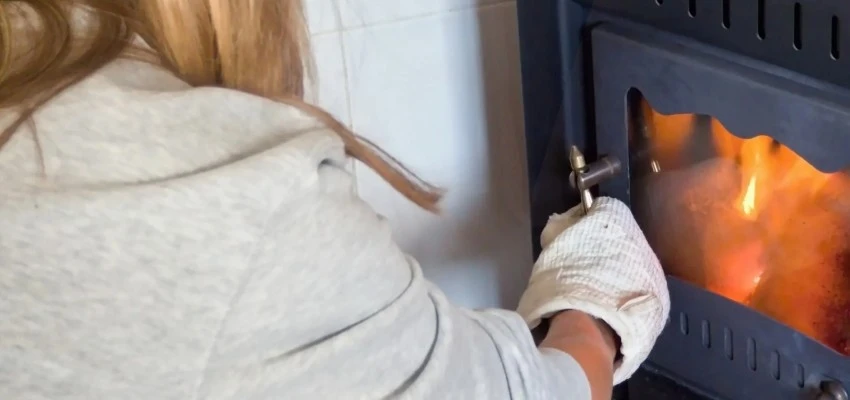
Yes, regular service is worth it, because most of the faults we are called out for start small and grow quietly. A pilot slowly coated with dust burns weaker each season until its sensor no longer gets hot enough. A vent cap with a bird nest or spider webs restricts exhaust. Glass gaskets dry out and stop sealing evenly. None of these announce themselves, and a homeowner rarely sees them from the front of the unit. A routine visit once a year lets us clean, measure and adjust before the fire becomes unreliable, and it gives you a chance to mention anything that has seemed different lately.
If you smell gas near a fireplace, leave the home right away and call the gas utility, your propane supplier or 911 once you are outside. The rotten-egg or sulfur odor is added to the fuel on purpose so that leaks get noticed. Do not switch lights, the fireplace or any appliance on or off, do not use a phone indoors and do not try to find the source. Get people and pets out and stay at a safe distance until the utility says it is safe to go back in. A qualified gas technician should repair the fireplace before it is used again.
A few visible clues suggest it is time. The glass develops a white or gray haze that makes the flames look dull, the logs look dusty, a burning-dust smell lingers well past the first fires of the season or the flames start looking more yellow and uneven. Pet hair gathering at the lower louvers and slower or noisier fan operation are other hints. Any black soot, however, signals a combustion problem rather than routine dirt, so stop using the fireplace and have it checked. If none of these signs appear, a yearly “gas fireplace cleaning” visit is still a sensible routine.
Repairing a gas fireplace starts with diagnosis, which is most of the job. We start by asking what the fireplace did before it failed, then watch it attempt to light while checking voltages, spark and gas flow at each stage. That sequence usually narrows the problem to one component fairly quickly. The culprits we replace most often are pilot sensors, igniters, battery packs and remote receivers, followed by valves and glass gaskets. We note the details from the rating plate so any part we order fits correctly. Once the repair is done, we relight, test the safety shutdown and leak-check every fitting we touched.
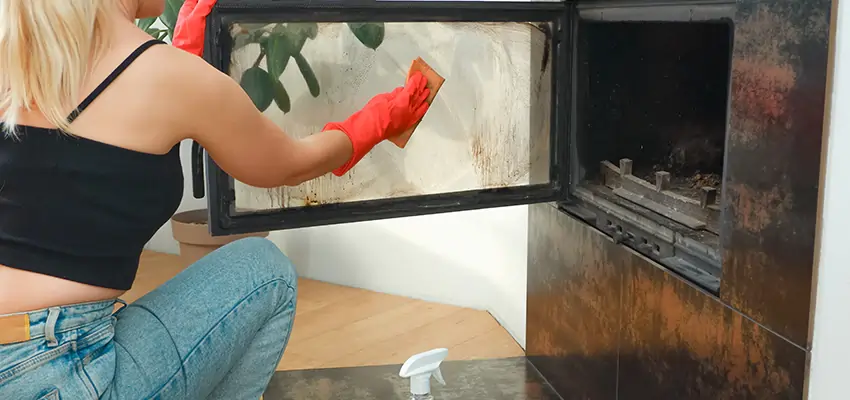
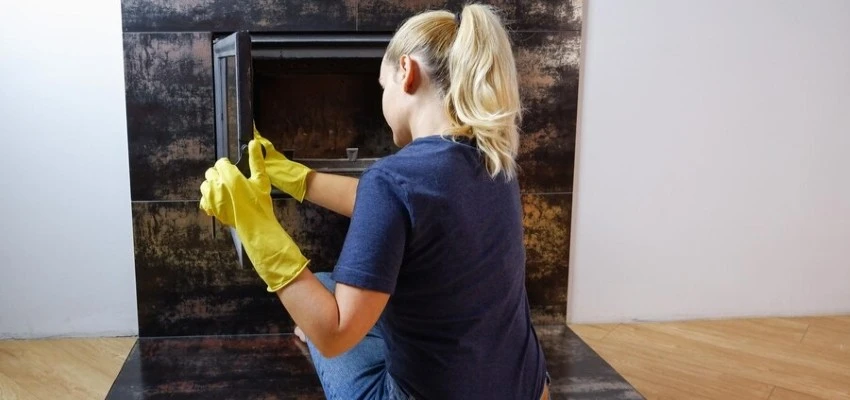
Gas fireplace glass is cleaned with a cleaner made for fireplace glass and a soft cloth, once the fireplace is off and completely cool, to remove the white film that builds up inside. That cloudy film is a normal mineral deposit from burning gas, and ordinary household glass cleaners tend to smear it or leave residue that bakes on during the next fire. On sealed units, cleaning the inside means removing the glass front, and refitting it so the gasket seals evenly is part of keeping exhaust out of the room. Leave the inside of the glass to the yearly service and wipe only the outside yourself.
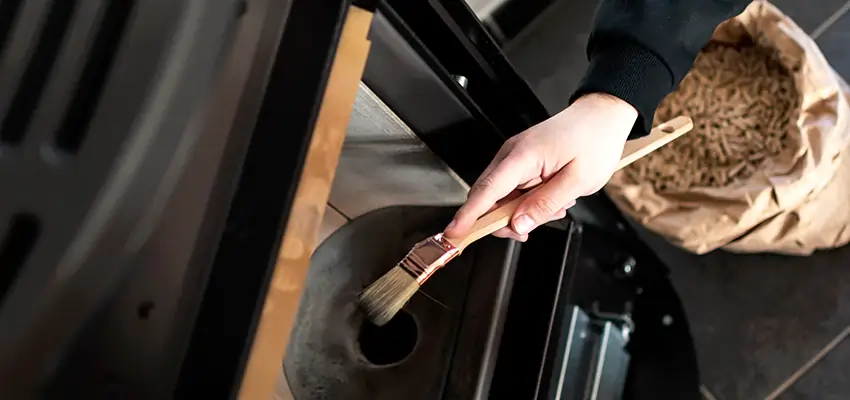
Repairing a gas fireplace is usually the sensible choice when the firebox, burner and venting are in good shape and the problem is a replaceable part such as a sensor, igniter or valve. Replacement starts to make sense when parts are no longer available, when repairs keep coming back, or when the firebox is cracked, rusted through or damaged by heat. Some owners also replace an older unit to gain features such as a remote, a thermostat or more heat. Ask the technician to explain the condition of the main components, not only the part that failed, so you can weigh the repair against a new unit.
Wait until the fireplace is off and completely cool, then use a vacuum with a soft brush attachment on the outside louvers and grilles above and below the glass. Many fans draw air through the lower louver, so dust there affects how quietly the fan runs and how well it moves warm air. Wipe painted surfaces with a dry or barely damp cloth. Do not reach into the control compartment, remove panels that expose gas parts or spray cleaners into the openings. If the fan is noisy or the lower area is heavy with pet hair, leave the deeper cleaning for your next service visit.
When we finish, the fireplace should behave the way it did when it was new, or close to it: quick ignition, even flames, no soot and a smooth shutdown. We relight it with you present and walk through anything we adjusted or replaced. If we measured a sensor that still works but is getting weak, we say so, since it may be the next part to fail. The glass should be clear, the logs set to the diagram and the access panel secured. If anything about the fire looks different in the following weeks, call and describe it rather than holding off until next year.
Pick a company whose technicians work on gas fireplaces regularly and can describe the visit before they start. Ask whether they service your fireplace type and fuel, whether they work on your brand and what a standard visit covers. Expect a written quote, an arrival window that is respected, floors protected and a test burn with you before they leave. Recent reviews that mention clear explanations and tidy work tell you more than a polished advert. Be wary of anyone who skips the leak check, pushes a replacement without showing you the problem or cannot answer basic safety questions.
If you can safely snap a picture of what worries you, mention it when you get in touch. It helps the technician bring the right tools and plan the visit. Reach out to Chimney Sweep West Vancouver and we will tell you how to share it.
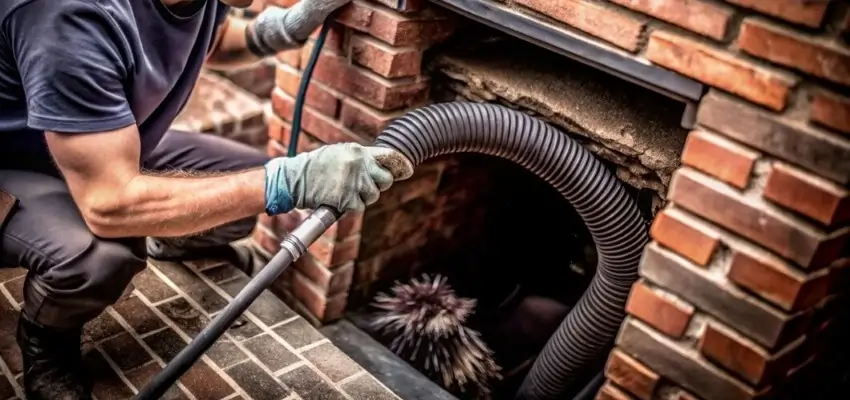
Chimney Cleaning that lifts soot and creosote in West Vancouver
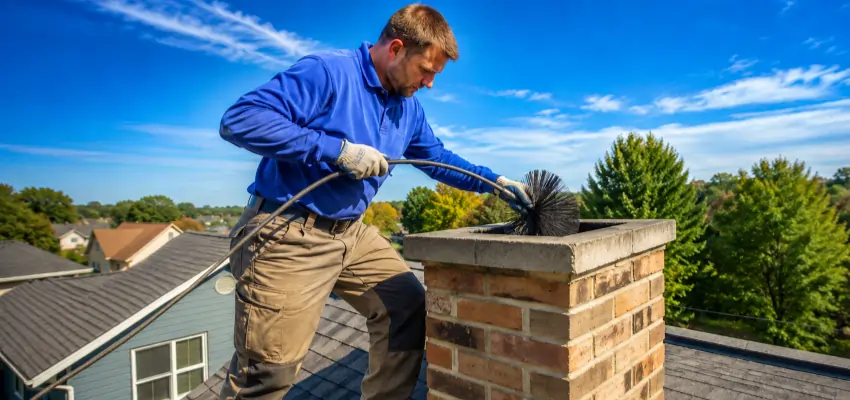
Why West Vancouver homeowners book Chimney Sweep visits yearly
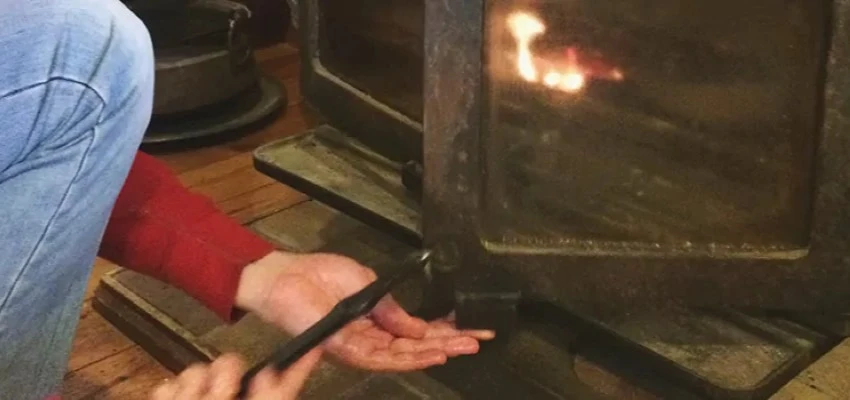
Swept and checked: Chimney Sweep Services in West Vancouver
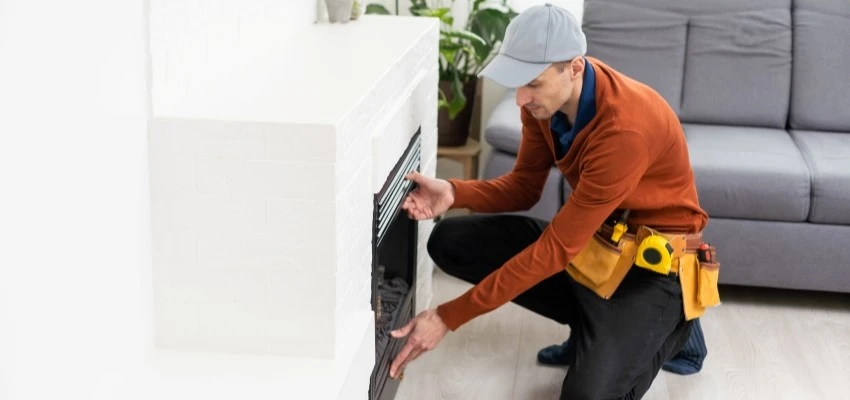
Ready for the season with Fireplace Experts in West Vancouver
Control area vacuumed during Gas Fireplace Cleaning
Catch a weak thermocouple early with Gas Fireplace Maintenance