
Many people only think about their gas fireplace on the first chilly evening of the year, which is exactly when small faults decide to show up. A pilot that will not stay lit, a remote that does nothing or glass clouded with a white haze can spoil the moment. If “gas fireplace maintenance” is what brought you here, read on for clear answers about annual gas fireplace service for homes in West Vancouver, from what causes common problems to what a service visit actually includes.

Yes, a gas fireplace can produce carbon monoxide if the gas does not burn cleanly or the exhaust cannot leave the house properly. A blocked vent, a damaged gasket, logs knocked out of position or a burner clogged with debris can all contribute. Carbon monoxide has no color or smell, so you will not notice it on your own. Keep working carbon monoxide alarms on each level of the home and near bedrooms, test them regularly and have the fireplace serviced on a schedule. If an alarm sounds, get everyone outside into fresh air and call 911 from there.
Most remotes that stop working have a simple cause, usually power or pairing, and remote complaints are among the most frequent calls we get. Receivers are often tucked into the warm space under the firebox, and their batteries drain faster there than people expect. A handheld that was dropped, or fresh batteries inserted the wrong way round, can also lose its link. We check battery voltage at both ends, confirm the receiver switch setting and resynchronize the pair. If that fails, we test whether the valve responds when the receiver is bypassed, which tells us whether the fault lies in the remote system or in the fireplace itself. Sometimes a worn receiver simply needs replacing.
We use a dedicated fireplace glass cleaner and some patience to lift the haze of minerals and combustion byproducts that bakes onto the inner surface over a season. Scrapers and abrasive pads stay in the truck, since they scratch. Our bigger concern is what happens when the glass goes back on. The frame has to latch properly and the gasket has to seal all the way around, or the fireplace can draw in room air and burn poorly. We also check the panel for chips or cracks while it is out, since damaged glass should be replaced before the next fire. That refit is why we treat the inside of the glass as technician work.
Once a year suits most of the fireplaces we see, and what we find during each visit fine-tunes that. If we pull a lot of dust and pet hair from the burner area, the household may benefit from a second check partway through the season. If the unit is barely used and comes back clean, yearly is plenty. What we discourage is waiting until something breaks, because by then a weak sensor has usually been failing for a while. A short log taped inside the access panel, listing each visit and any parts replaced, shows at a glance how the fireplace is aging.
A cold fireplace and a clear floor are the two things that help us most. We need room to lay down a drop cloth, set the glass front somewhere safe and kneel in front of the unit with a vacuum and tools. Decorations on the hearth and candles on the mantel are easy to knock over, so we ask that they be moved. A list of what you have noticed, even small things like a delay before ignition, saves diagnostic time. Booking ahead of the cold months also means we are not working around a fire you were hoping to use that evening.

A simple routine splits the year into a few small habits and one professional visit. Before the cooler months, book the yearly service, replace remote and receiver batteries and test your carbon monoxide alarms. During the season, glance at the flames and glass now and then, keep the hearth area clear and vacuum the outside louvers once or twice. In spring, look at the outdoor vent cap for nests or overgrown plants and note anything that seemed off during the winter. That rhythm keeps “gas fireplace maintenance” manageable, and most of it takes only minutes.
The glass on a gas fireplace gets hot enough to cause serious burns while the fire is on and for some time after it is switched off. That makes it a real concern for young children, older adults and pets. Many newer fireplaces come with a mesh safety screen in front of the glass, and screens are available for many older models as well. Keep a clear space in front of the fireplace, teach children that the glass is off-limits and use a gate or barrier where needed. Never drape clothing or decorations over the front, and let the glass cool fully before any cleaning.
It depends on the fireplace. Many newer models have electronic ignition and no standing pilot, so the question does not apply, and some electronic systems offer a mode that switches between a continuous pilot and one that lights only when needed. With a standing pilot, some owners keep it lit year-round, which keeps the firebox dry and discourages insects, while others prefer to have it shut off during the warm months to save gas. Turning it off and relighting it correctly is part of the gas controls, so the simplest approach is to have your technician shut it down at a spring visit and relight it during the fall service.
Alarms belong near bedrooms and on every floor, and we ask about them at nearly every gas fireplace visit because they are the only reliable way to know if exhaust ends up indoors. A well-kept, properly vented fireplace should not cause a problem, but vents can be blocked by nests and seals can fail without warning. In the homes we visit, the gaps we see most are alarms missing from bedroom hallways, units with dead batteries and alarms well past their replacement date. Pressing the test button once a month takes seconds. Combination smoke and carbon monoxide alarms are a convenient choice where only one device fits.

Whether it is a sound, a stain or something you spotted while cleaning, mention it when you contact us so the technician knows where to start. Describe what you noticed and Chimney Sweep West Vancouver will follow up about annual gas fireplace service for your home.
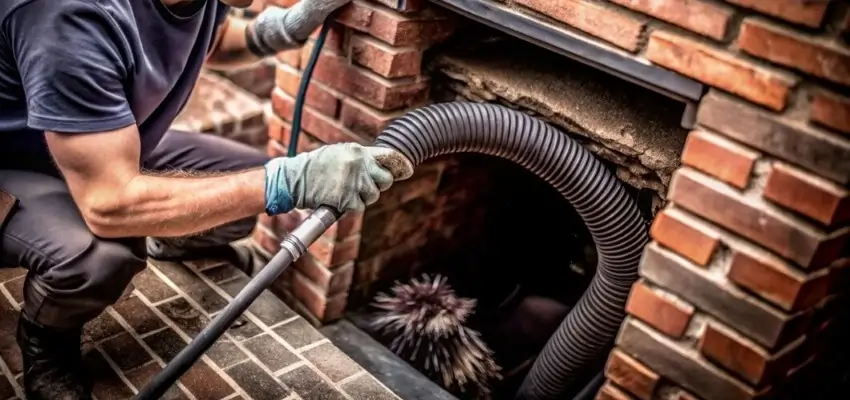
Chimney Cleaning that lifts soot and creosote in West Vancouver
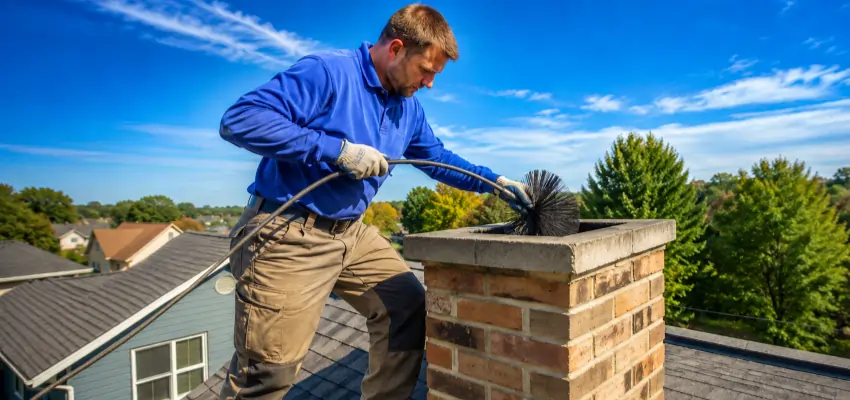
Why West Vancouver homeowners book Chimney Sweep visits yearly
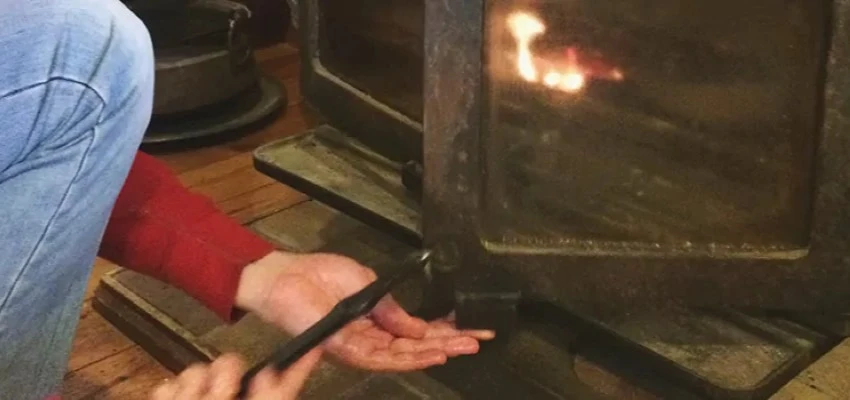
Swept and checked: Chimney Sweep Services in West Vancouver
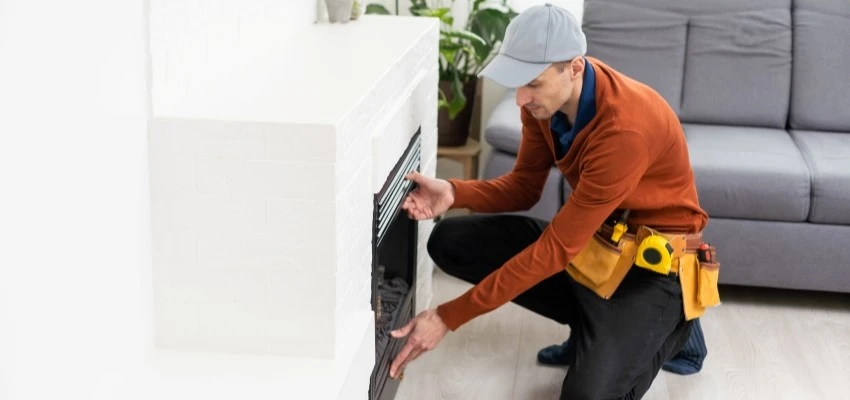
Ready for the season with Fireplace Experts in West Vancouver
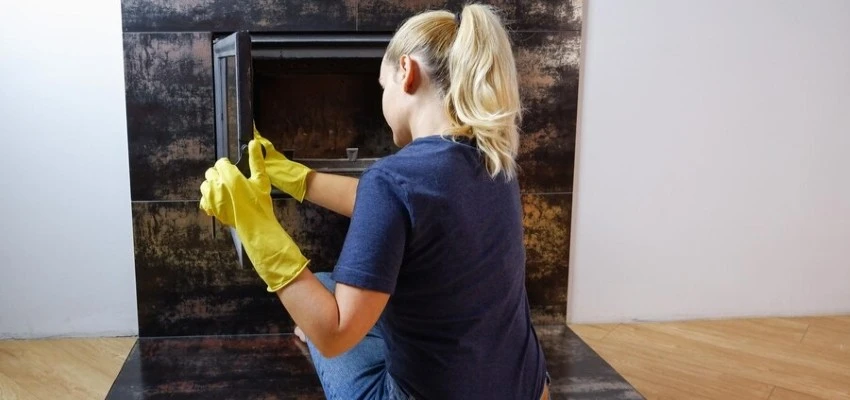
Control area vacuumed during Gas Fireplace Cleaning
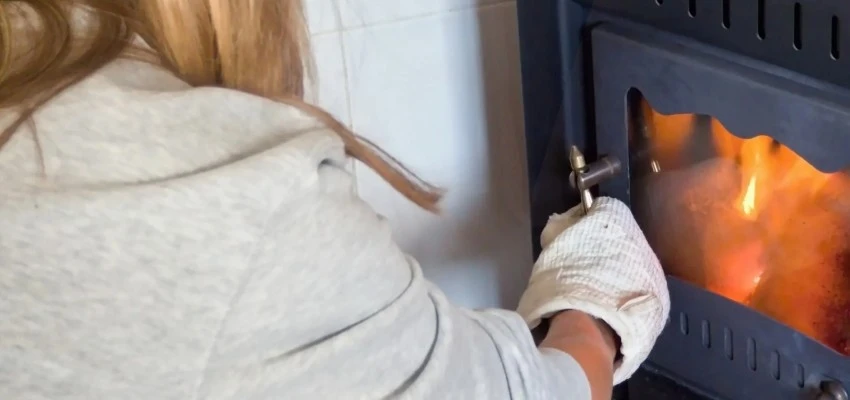
Catch a weak thermocouple early with Gas Fireplace Maintenance

