Knowing how your fireplace works, and what usually goes wrong with it, makes any visit easier to plan. The questions collected here are a shortcut to both. They are the ones homeowners in West Vancouver raise most often after a search for “hearthstone stoves fireplace”, from tracking down the serial number to judging whether an older unit deserves a repair. Pick out whatever matches your situation and keep the rest as background for your decisions about Hearthstone stove service.

Soapstone changes the pace of the job. Many stoves sold under this name pair a cast iron frame with soapstone panels, and the stone soaks up heat slowly and gives it back for hours after the fire dies down. For anyone researching “hearthstone stoves fireplace”, that has two practical effects. The panels sit in channels sealed with gaskets or cement, and those joints are where air leaks tend to begin. A cracked panel can often be replaced on its own instead of condemning the stove. The stone also stays warm a long time, so a repair visit should start with a stove that has been out since the day before.
Only in the details; the principles carry over. A thermocouple on one gas fireplace does the same job as on another, yet the mounting, length and connection can differ, and an electronic ignition board from one generation rarely fits the next. Wood stoves are similar, since baffles, air tubes and door latches vary by model even inside one product line. In practice, the first few minutes of every visit go to confirming exactly what we are looking at. After that, the diagnosis follows a routine any trained technician would recognize, and parts are matched to the model, not to the brand in general.
A rotten-egg smell, a strong smoky odor in the room, a bang or whoosh when the burner lights and a grinding blower are the ones to take seriously. If you smell gas, do not touch switches or the fireplace controls; leave the home and call your gas utility from outside. For a delayed, booming ignition or smoke that keeps escaping, stop using the unit and book a check. Some sounds and smells are normal, though: light ticking as metal heats and cools, and a paint or oil smell during the first fires after new parts are fitted. Working carbon monoxide alarms add an extra layer of protection.
Servicing a wood stove is mostly about restoring a tight, predictable burn. We start with the seals, because a stove that leaks air burns too hot and too fast. Then we lower the baffle where the design allows, which lets us inspect the top of the firebox and the flue collar for creosote and corrosion. Firebricks are swapped if they are cracked through, and loose air tubes are reseated. If the stove uses a catalytic combustor, we check whether it is still doing its job. We finish at the stovepipe or liner and recommend a sweep if the deposits call for one.
A common guideline is to have a fireplace or stove serviced once a year, ideally before the heating season. Gas units benefit from a yearly look at the burner, ignition, glass and venting, and many owner’s manuals suggest that interval. Wood stoves and inserts need their chimney or liner inspected yearly and swept as often as buildup requires, which depends on how much you burn and how dry your wood is. Heavy use, a unit that sat idle for a long time or any change in how it behaves are good reasons to book sooner rather than stretch the interval.

Prepare by letting the unit cool completely and clearing the space around it. Turn a gas fireplace off several hours before the appointment, and do not light a wood stove that day so the firebox is cold. Remove decorations, screens, rugs and anything stored on the hearth or mantel, and leave a clear path from the door. If the vent ends outside, make sure the technician can reach it. Have the manual and any past service paperwork ready, keep pets in another room and plan to be home to describe the problem and hear what was found.
Stone handles sudden heat less gracefully than steel, because it carries a little moisture and expands as it warms. That is why the manuals for many soapstone stoves describe a break-in routine: a few small fires, each slightly larger than the last, before running the stove hard. The same idea applies after a new panel is fitted or when the stove has sat unused through a damp summer. A roaring first fire can stress the stone and its seams. Once warmed through, the stove settles into the steady, even heat that draws people to soapstone, and ordinary use is fine.
Ask these before anyone arrives:
Mention anything that worries you, such as a noise, a weak flame or soot on the glass, so the technician arrives prepared. Straight answers here usually mean a straightforward visit.
Listen to how they handle the first phone call. A company that knows fireplaces will want the label details, will ask whether the unit is a built-in, an insert or a stove and will describe how it diagnoses before it quotes. On the visit, the technician should test before replacing parts, follow the manufacturer’s instructions and show you the worn component when it comes out. Honest companies are also clear about what they are: an independent service business is a perfectly good choice, as long as nobody suggests a connection to the manufacturer that does not exist.
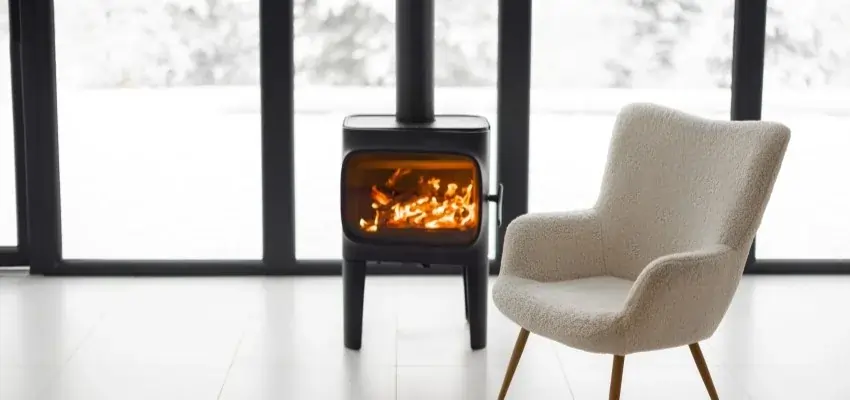
If your home will be busy with visitors, it helps to know everything is in order beforehand. Book Hearthstone stove service a little ahead and enjoy the season without second thoughts. Reserve a time with Chimney Sweep West Vancouver in West Vancouver.
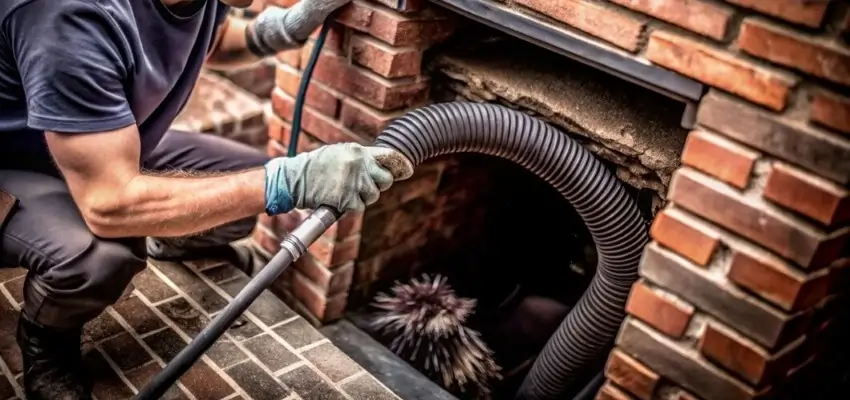
Chimney Cleaning that lifts soot and creosote in West Vancouver
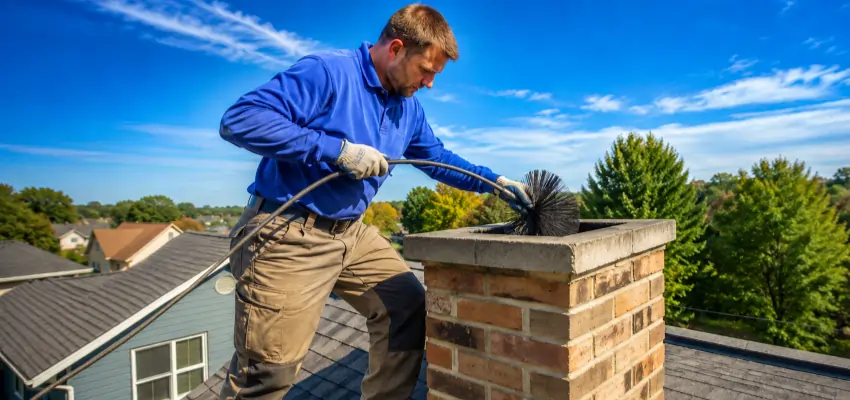
Why West Vancouver homeowners book Chimney Sweep visits yearly
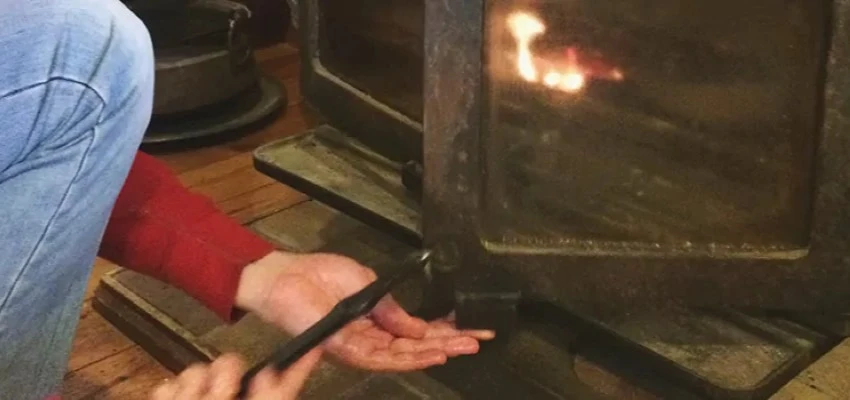
Swept and checked: Chimney Sweep Services in West Vancouver
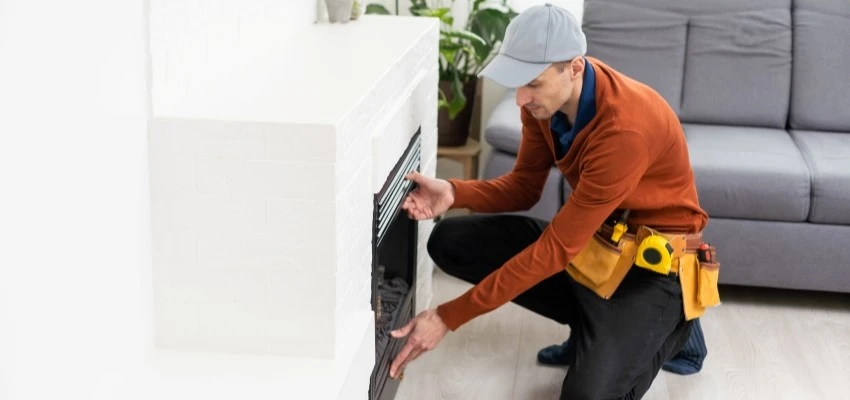
Ready for the season with Fireplace Experts in West Vancouver
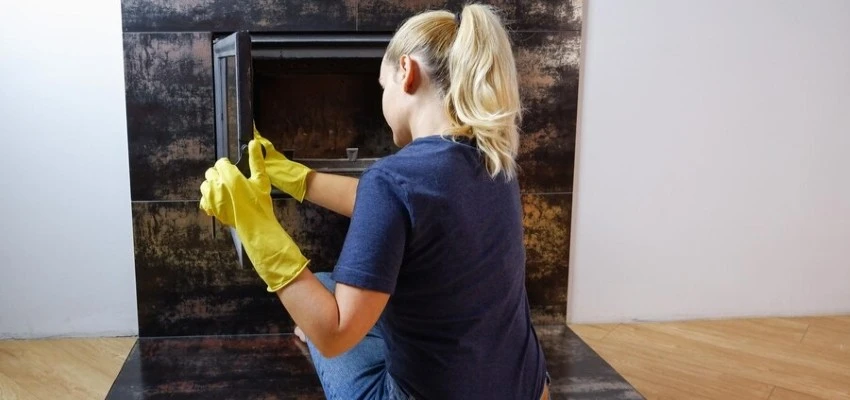
Control area vacuumed during Gas Fireplace Cleaning
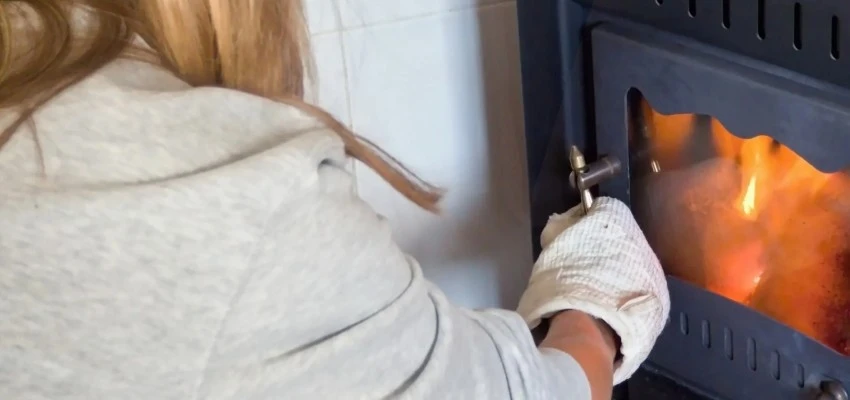
Catch a weak thermocouple early with Gas Fireplace Maintenance