Maybe you just took over a property with a fireplace nobody explained to you. Maybe you have run the same stove for many winters and never thought much about the flue above it. Either way, looking up “industrial chimney services” means you are already asking the right questions. This page gathers what people in West Vancouver usually want to know about industrial chimney maintenance, explained the way a technician would at your hearth.
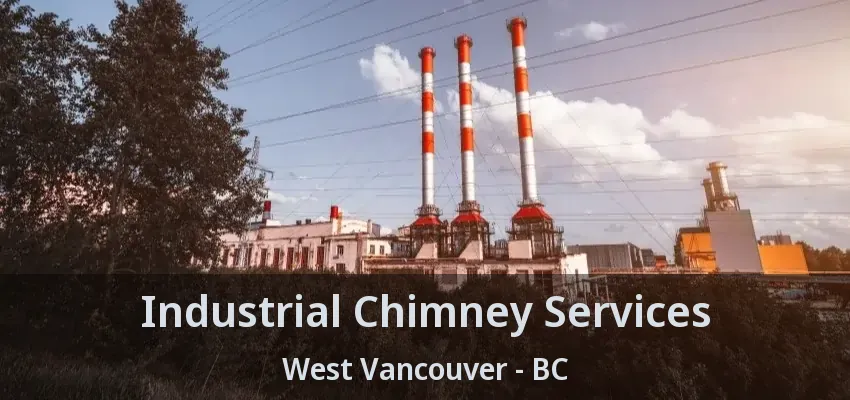
Industrial chimneys are usually the tall masonry, concrete or steel stacks that vent large boilers, heating plants, kilns, incinerators and process equipment at factories, plants and institutions. They are bigger, hotter and harder to reach than residential or restaurant flues, and they often run for long periods without a break. Work on them can require heavy access equipment, specialist crews and close coordination with plant staff. Some companies offering “industrial chimney services” focus on smaller commercial flues, so ask early what heights, materials and equipment types a provider actually handles.
Soot and creosote are different deposits: soot is a dry, powdery carbon dust, while creosote is a tarry residue from wood smoke that can be flaky, sticky or glassy. Soot comes from incomplete burning and can be left by wood, oil or a gas appliance that is not running cleanly. It is lighter and brushes away easily, but it still narrows the flue and can hold moisture and odors. Creosote is the bigger fire concern because of its oily base. Seen from the firebox, soot looks like fine black powder, while creosote looks crusty, shiny or tar-like. A technician adjusts the cleaning to match.
Commercial chimney services usually cover sweeping, inspection and routine upkeep of every flue that serves a business, from wood-fired ovens and hotel fireplaces to boiler and furnace chimneys. Apartment and condo buildings with many fireplaces, places of worship, schools and offices in West Vancouver fall into the same category. A typical service includes cleaning, a camera check of each flue, cap and damper checks and a written summary of the findings. Tall stacks or hard-to-reach roofs may call for lifts or other access equipment, so ask early what the company handles itself. A clear written scope keeps quotes comparable between providers.
Black flakes dropping from the damper, a sluggish fire and a campfire smell that hangs around are the signs we see most, and any owner can spot them. When we open a damper and a shower of debris comes down, the flue is overdue. A fire that sulks, needs constant coaxing or leaves a haze in the room tells us the draft is restricted somewhere. A sharp odor long after the last fire usually comes from deposits in the flue. We also ask about the calendar: if nobody remembers when the chimney was last swept, that alone is reason enough to book a look before the next fire.
A chimney camera is worth using because it shows the full length of the flue, where cracks, gaps and hidden buildup sit far beyond the reach of a flashlight. From the bottom or top you can see only a few feet in; the camera travels the whole way on a flexible rod and records what it finds. It can reveal broken or shifted tiles, missing mortar between sections, damage from an old chimney fire, separated metal joints and obstructions partway up. Ask to see the footage or still images. They make a recommendation much easier to understand and to compare if you want a second opinion.
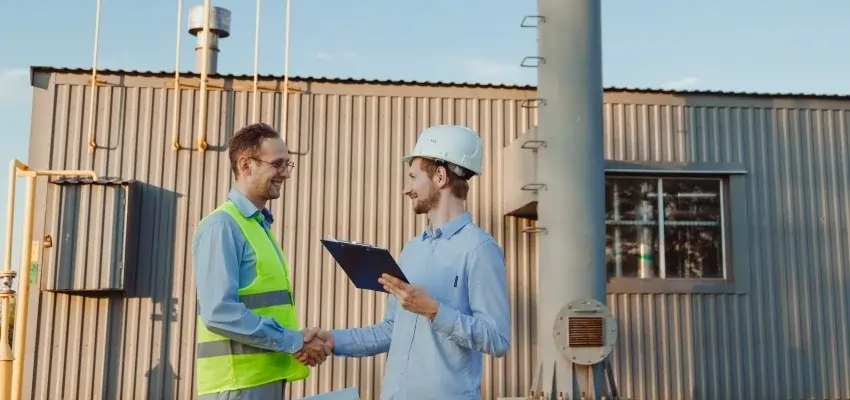
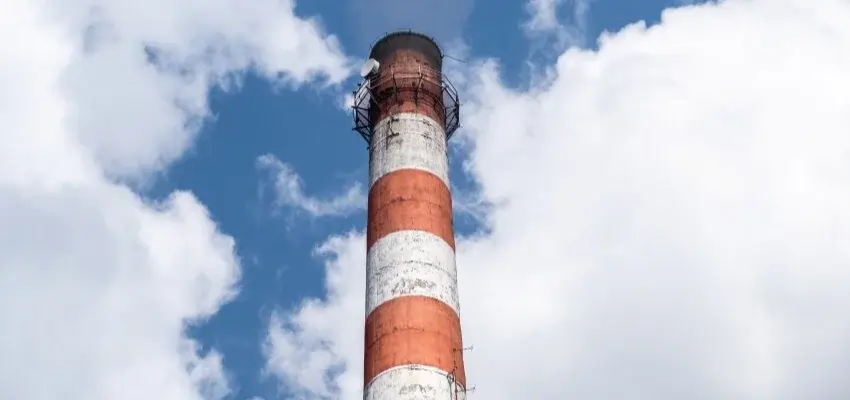
Tall stacks are inspected from the ground, the top and sometimes the inside, depending on their height and design. Ground surveys with binoculars and cameras look for cracking, leaning or loose material. Access to the top may involve lifts, scaffolding or rope access, and some providers use drones for a first look. Inside, cameras lowered from the top or entered through a cleanout door show the condition of the lining. Findings are usually documented with photos and measurements so they can be compared at the next visit. Ask any industrial chimney maintenance provider which of these methods it uses and what it subcontracts.
Commercial chimneys are cleaned on a schedule set by how hard they work: a busy wood-fired oven may need attention every month or two, while boiler flues and seasonal fireplaces are often checked once a year. Kitchens that burn wood daily build deposits quickly, so many have the flue inspected frequently and swept as needed. Hotel, lodge and apartment fireplaces used through the colder months usually follow a yearly inspection and sweep. Boiler and furnace flues are commonly checked alongside the appliance service. Your building owner, property manager or local fire officials may set additional expectations, so ask them as well.
You can handle simple upkeep yourself, but the sweeping is usually a job for a professional, and creosote sweeping logs only loosen some deposits rather than replacing a real cleaning. Safe tasks include removing cold ashes, keeping the hearth clear, looking up the flue with a flashlight when the fire is out and checking the cap from the ground with binoculars. Full sweeping means roof work, brushes matched to the liner and a way to contain soot indoors, and it skips the inspection a trained technician does at the same time. Leave anything involving the liner, masonry or gas parts to professionals.
When we find damage, our job is to show it, explain it and let you decide, and you should expect the same from anyone. We take photos or footage, point out the exact spot and describe what happens if it is left alone. Some findings, such as a flue tile cracked by heat, mean the appliance should not be used until it is repaired. Others, like light flaking on a brick face, can be monitored for a season. We price each item separately in writing so nothing is bundled vaguely. If you want time to think or another opinion, that is completely reasonable.
A recent look at the parts of a home buyers ask about can make a sale go more smoothly. We can fit industrial chimney maintenance around showings, inspections or move-in dates. Tell us your timeline and we will plan around it.
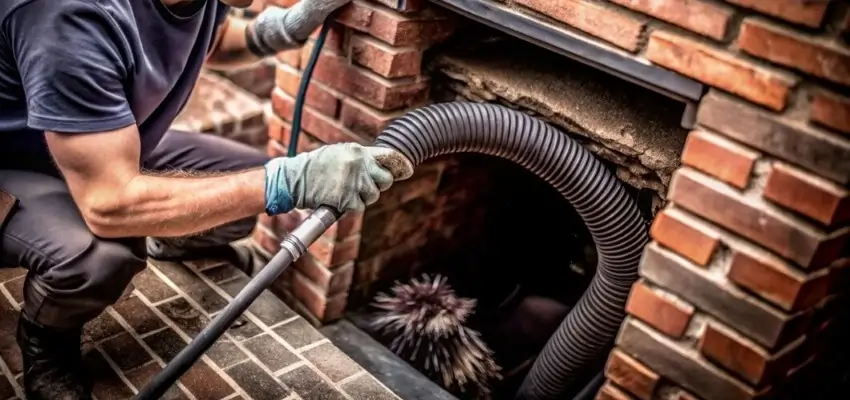
Chimney Cleaning that lifts soot and creosote in West Vancouver
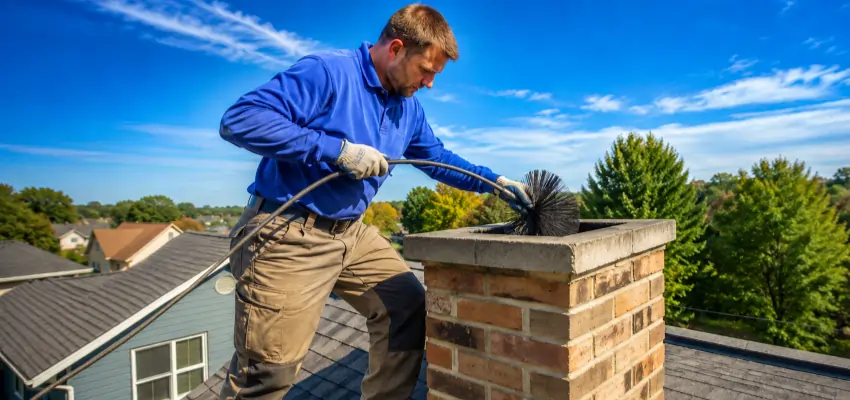
Why West Vancouver homeowners book Chimney Sweep visits yearly
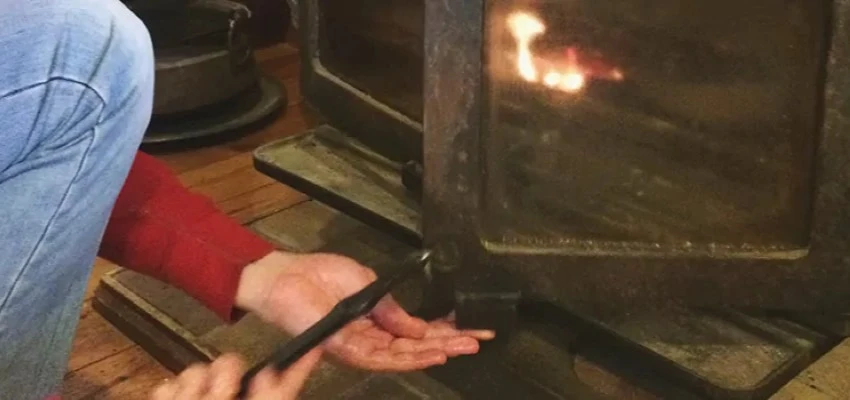
Swept and checked: Chimney Sweep Services in West Vancouver
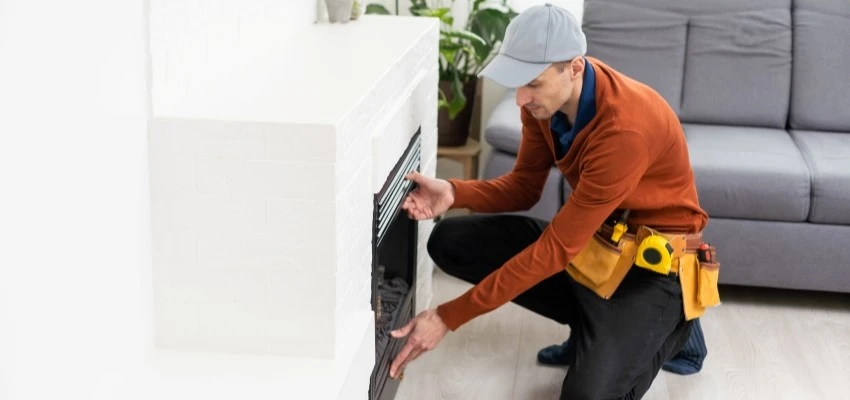
Ready for the season with Fireplace Experts in West Vancouver
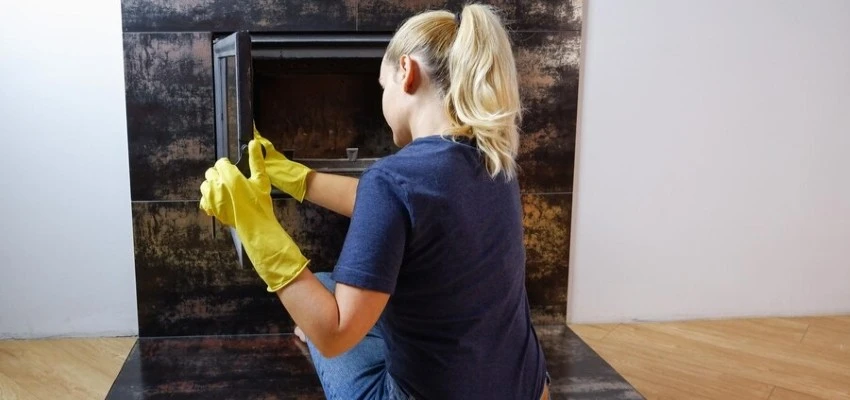
Control area vacuumed during Gas Fireplace Cleaning
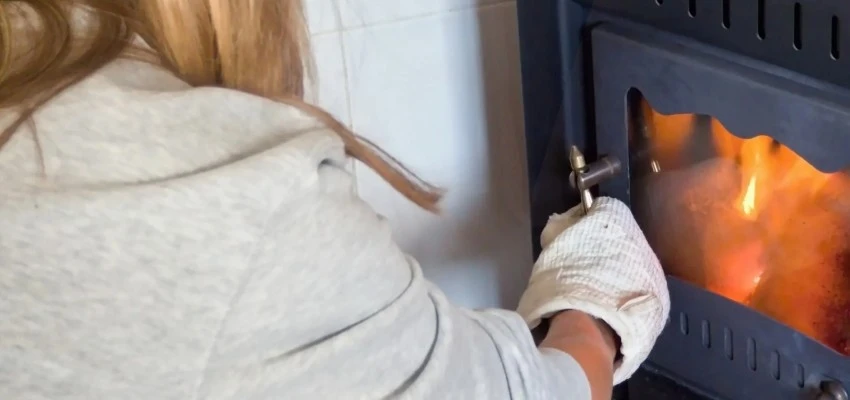
Catch a weak thermocouple early with Gas Fireplace Maintenance