When homeowners in West Vancouver search for “majestic fireplace repair”, they usually want three things answered: what is wrong, whether it can be fixed and what the work will involve. The answers below take those questions one at a time, for gas fireplaces, inserts and wood-burning stoves, without a sales pitch. Read the parts that match your unit and you will go into any conversation about Majestic fireplace and insert repair knowing which details matter and which ones do not.
No, a dealer is not the only option. Independent technicians repair most major brands of gas fireplaces, inserts and wood stoves, because the core systems are similar from one maker to the next. What matters is that the technician identifies your exact unit from its rating label, follows the manufacturer’s installation and service instructions and uses the replacement parts those instructions call for. Dealers mainly sell and install new equipment, and some also offer service, but the choice of who works on your fireplace is yours. Ask anyone you call which types of units they handle and how they source parts.
Cloudy glass can be harmless or a clue, depending on its color. The chalky white film we see on gas fireplaces builds up gradually and mostly affects appearance, though left for years it can bake on for good. Black soot is the one we pay attention to, because carbon forms when the flame is not getting the air or gas mix it needs. That sends us to the burner ports, the log or media layout and the vent. On wood stoves, dark glass after every fire usually points to low air settings or firewood that has not dried long enough.
We work from the symptom backward. If a gas fireplace will not light, we watch what it does when you press the button or flip the switch: is there a spark, does the pilot form, does the main burner try? Each step narrows the problem to the ignition, the sensor, the valve or the supply. With a wood stove, the questions are about draft, sealing and wear, and the answers come from the gaskets, the baffle and how the fire behaves. Testing comes before replacing anything, so you are not paying for parts that were never the problem.
In a factory-built wood fireplace, the damper is a metal plate near the top of the firebox, opened with a handle, rod or chain. Over time the pivot can rust or seize, the plate can warp and the control linkage can bend or snap. A technician first checks whether the damper opens fully and closes reasonably tight, then looks for the cause: rust, debris resting on top or a broken handle. Many of these parts are replaceable using the model’s parts list. A damper stuck partly shut needs fixing before the next fire, because it can push smoke into the room.
Once a year suits most households, and we adjust from there. A gas fireplace that runs every evening through the colder months collects more dust in the burner and more wear on its ignition than one lit a few times a season. A wood stove used as a main heat source may need its flue swept more than once in a winter. We note what we find at each visit, such as how dirty the burner was or how much creosote came out, and suggest the next date from that. Your manual’s recommendation is the baseline; your usage fine-tunes it.
Sometimes, but only with products the fireplace manufacturer allows. A factory-built wood fireplace is tested as a system, and its manual lists which gas log sets, if any, can be installed in it. Fitting an unlisted set can affect clearances, venting and how hot the firebox runs. A technician can check your model’s documentation before you buy anything, and the gas connection itself is work for a qualified gas technician. Ask about this while you research “majestic fireplace repair”, since converting and repairing often come up together on older units. Chimney Sweep West Vancouver is an independent company, so the answer comes straight from the manual.
The model and serial number are printed on a rating label or metal plate attached to the unit. On many gas fireplaces and inserts, it sits behind the lower louver or grille near the controls, sometimes on a chain or tag that pulls out. On freestanding stoves, it is often on the back or underneath. Wait until the unit is completely cool, use a flashlight and take a clear photo rather than copying it by hand. Do not remove panels or touch gas parts to find it. If you cannot locate the label, photos of the front and the controls still help.
Give the technician the brand, model and serial number, the fuel type and whether it is a built-in fireplace, an insert or a freestanding stove. Then describe the problem as precisely as you can: what happens, when it started, whether it is constant or comes and goes and anything that changed around that time, such as a power outage, new batteries or renovation work. Mention any blinking lights or sounds, and what you have already tried. Photos of the label, the controls and the flame help a lot. Clear details often mean the right part arrives with the first visit.
It should work the way it did when it was healthy, and we check that before leaving. We run the fireplace through a full start, watch the flame pattern and confirm the controls respond, or for a stove, make sure new gaskets seat properly when the door latches. Fresh paint, adhesives and new gaskets can give off a smell for the first few burns; that is expected and fades quickly with some ventilation. What is not expected is the same fault coming back. If it does, let us know, because an intermittent problem sometimes has a second cause hiding behind the first.
We confirm the details of your home, suggest a visit window and explain what Majestic fireplace and insert repair will involve. On the day, the technician checks in before starting and walks you through the results at the end. Get started with a quote from Chimney Sweep West Vancouver.
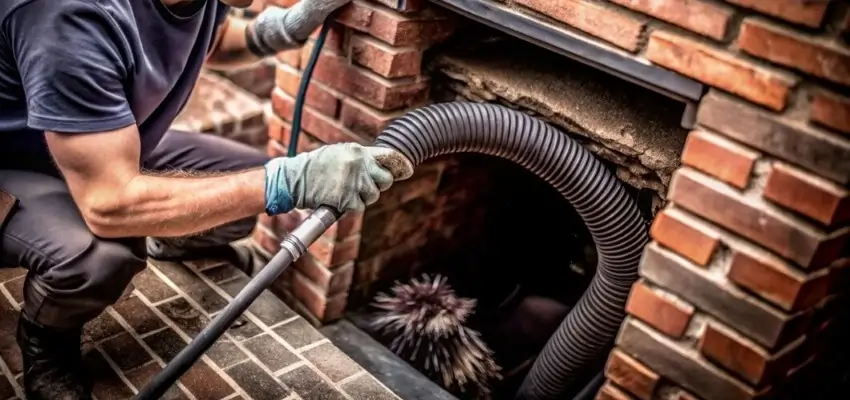
Chimney Cleaning that lifts soot and creosote in West Vancouver

Why West Vancouver homeowners book Chimney Sweep visits yearly
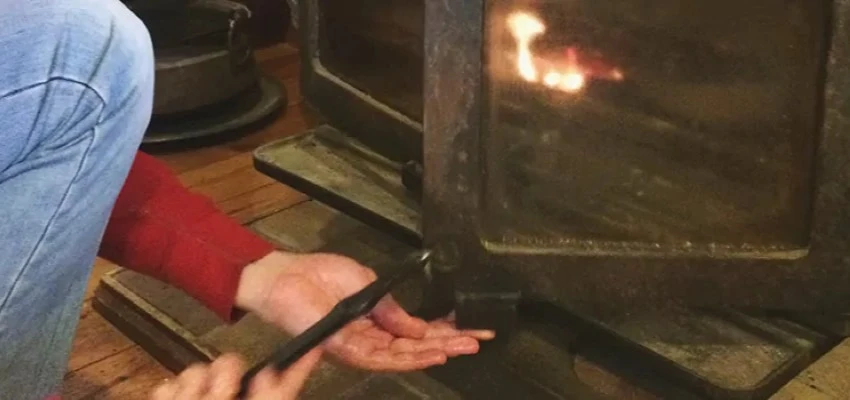
Swept and checked: Chimney Sweep Services in West Vancouver
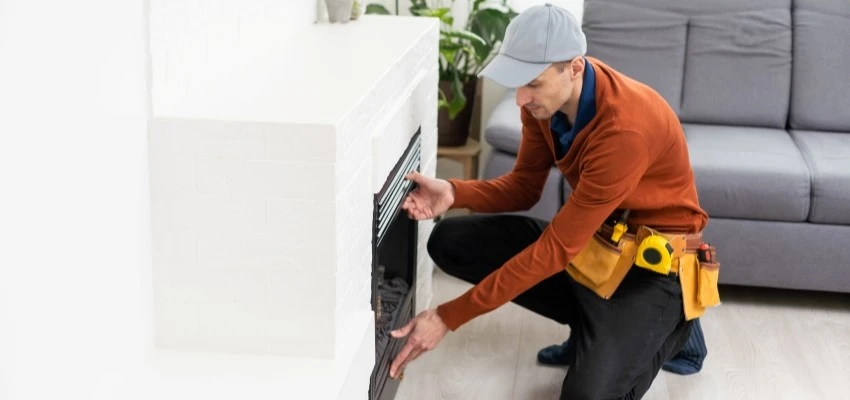
Ready for the season with Fireplace Experts in West Vancouver
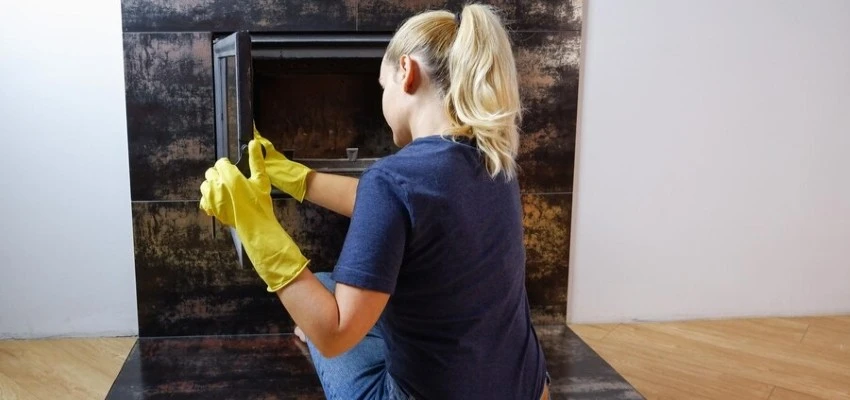
Control area vacuumed during Gas Fireplace Cleaning
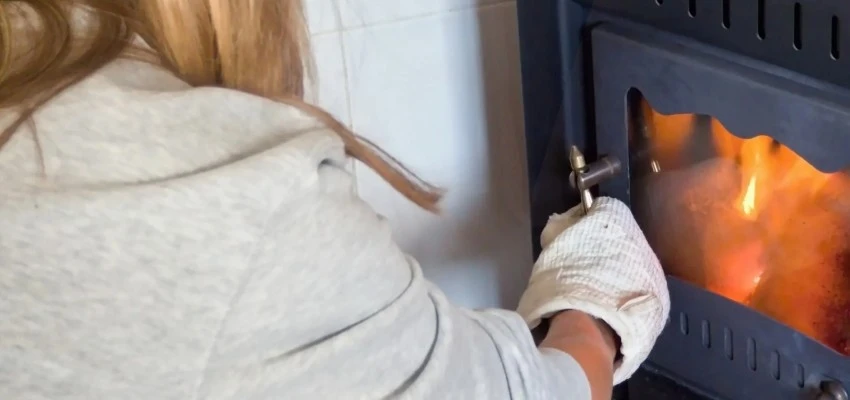
Catch a weak thermocouple early with Gas Fireplace Maintenance