
A fireplace or stove is often the coziest heat source in a home, and also one of the least understood. Behind the glass and the decorative trim sit valves, sensors, gaskets and baffles that each wear out at their own pace. If “regency fireplace products” is the phrase that brought you here, what follows gives households around West Vancouver a practical overview of Regency fireplace and stove service, from the first warning signs to the questions worth asking before any work begins.
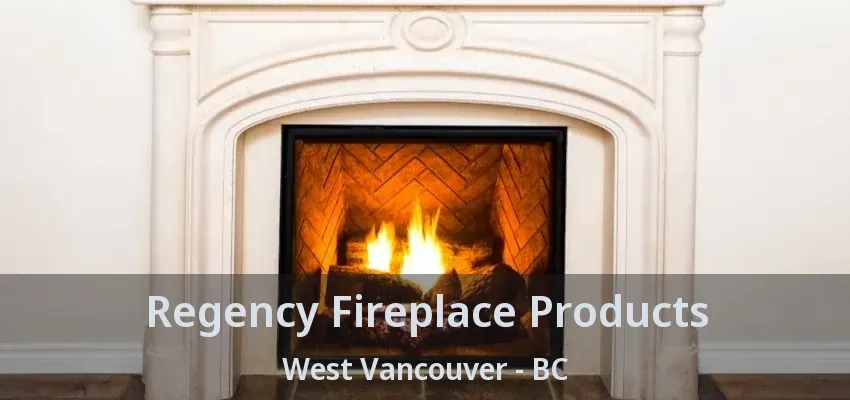
Often, yes, especially when the body of the unit is sound and parts are still available. Worn gaskets, a tired thermocouple, a cracked firebrick or a noisy blower are routine repairs that can give an older fireplace many more seasons. Replacement deserves a conversation when the firebox is rusted through or cracked, when key parts such as the gas valve or ignition system are no longer made, or when the unit has been damaged by water or overheating. Ask the technician to explain both paths in plain terms, including how long each is likely to last, before you decide.
Regency’s range covers gas and wood-burning fireplaces, inserts and stoves, so the answer depends on your home. People searching for “regency fireplace products” often have one of these types in mind without knowing which. The quickest way to tell is the rating label and a look inside: a burner with logs or stones means gas, while firebricks and an air control mean wood. Knowing the type matters for service, because gas units need ignition and venting checks and wood units need seals, baffles and chimney care. Chimney Sweep West Vancouver services both as an independent company.
A pilot that will not stay lit usually points to a weak flame sensor, a pilot assembly clogged with dust or a draft problem in the venting. On many fireplaces, a small sensor called a thermocouple or thermopile sits in the pilot flame and holds the gas valve open; when it wears out or the flame no longer reaches it, the valve shuts. Low gas supply and a blocked vent can cause the same symptom. Leave the unit off rather than relighting it again and again, and book a technician. If you ever smell gas, leave the home and call your gas utility from outside.
Servicing a wood stove is mostly about restoring a tight, predictable burn. We start with the seals, because a stove that leaks air burns too hot and too fast. Then we lower the baffle where the design allows, which lets us inspect the top of the firebox and the flue collar for creosote and corrosion. Firebricks are swapped if they are cracked through, and loose air tubes are reseated. If the stove uses a catalytic combustor, we check whether it is still doing its job. We finish at the stovepipe or liner and recommend a sweep if the deposits call for one.
We work from the symptom backward. If a gas fireplace will not light, we watch what it does when you press the button or flip the switch: is there a spark, does the pilot form, does the main burner try? Each step narrows the problem to the ignition, the sensor, the valve or the supply. With a wood stove, the questions are about draft, sealing and wear, and the answers come from the gaskets, the baffle and how the fire behaves. Testing comes before replacing anything, so you are not paying for parts that were never the problem.

A thorough gas fireplace check covers the parts that keep the flame clean and the exhaust moving outdoors. Typical steps include cleaning the pilot assembly and burner, testing the ignition and flame sensor, checking gas connections for leaks and confirming the flame looks right. On sealed units, the glass is removed, cleaned and its gasket inspected. Logs or decorative media are set back in the layout the manual shows, since misplaced pieces cause soot. Outside, the vent termination should be clear of nests, plants and debris. Ask for a short summary of what was found and anything that needs attention.
Specific symptoms help most, along with the label information and the age of the unit if you know it. “It will not turn on” could mean no spark, a pilot that lights and drops out or a burner that never follows; each points somewhere different. Tell us whether the fireplace runs on a remote, a wall switch or a thermostat, whether it has power to it and when it was last serviced. For wood stoves, mention how the fire behaves and what wood you burn. Short videos of the startup are surprisingly useful, since they let us hear and see the sequence.
Make sure the rating label is still attached and readable, because without it the model, the approved venting and the right parts are hard to confirm. Then inspect the unit itself for cracks in the firebox or glass, a warped baffle, crumbling firebricks, missing air tubes or a door that no longer shuts tight. A gas unit should come with its burner, logs or media and controls complete. Ask whether the manual is included and whether parts are still listed for that model. If you found the unit while looking up “regency fireplace products”, plan for the installation too: it has to follow the manual, and a gas hookup is work for a qualified gas technician.
A local technician is often the practical choice because fireplace repairs frequently need more than one trip. When a part has to be ordered, a company based nearby can return soon after it arrives, and follow-up questions are easier to handle. Local technicians also know the housing in the area, from the factory-built fireplaces common in newer subdivisions to older homes with converted masonry fireplaces. Before booking, confirm the company serves your address directly, ask about arrival windows and check how quickly a return visit for parts is usually scheduled.

If you already know the work needs doing, booking early gives you more choice of dates and less to think about later. Tell us roughly when you would like the visit in West Vancouver and we will hold a time for you. Reserve your visit.
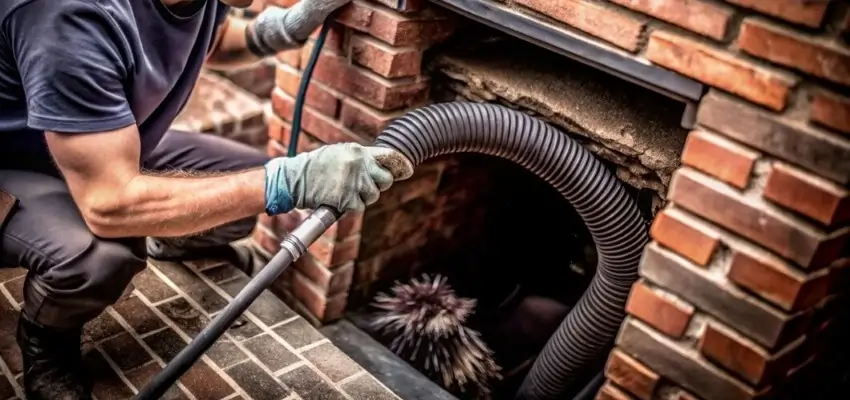
Chimney Cleaning that lifts soot and creosote in West Vancouver

Why West Vancouver homeowners book Chimney Sweep visits yearly
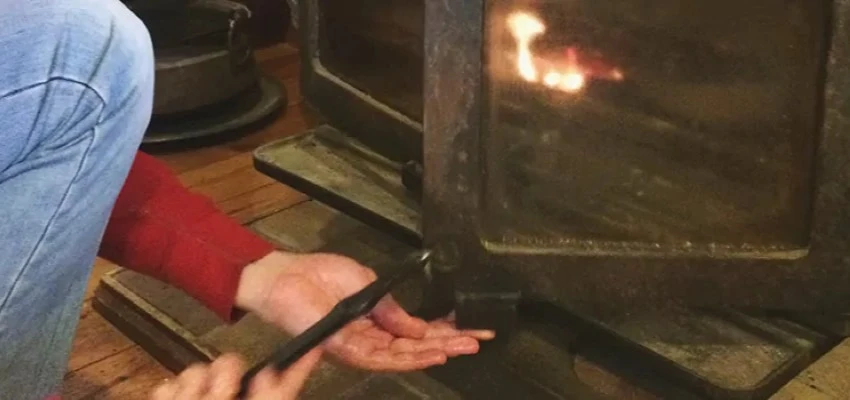
Swept and checked: Chimney Sweep Services in West Vancouver
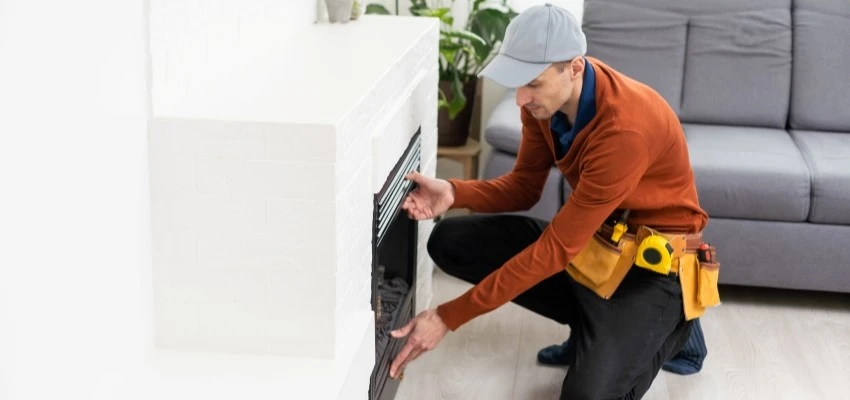
Ready for the season with Fireplace Experts in West Vancouver
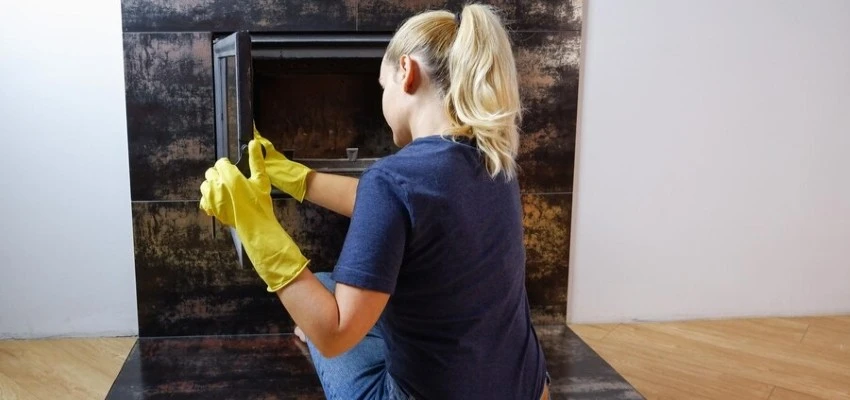
Control area vacuumed during Gas Fireplace Cleaning
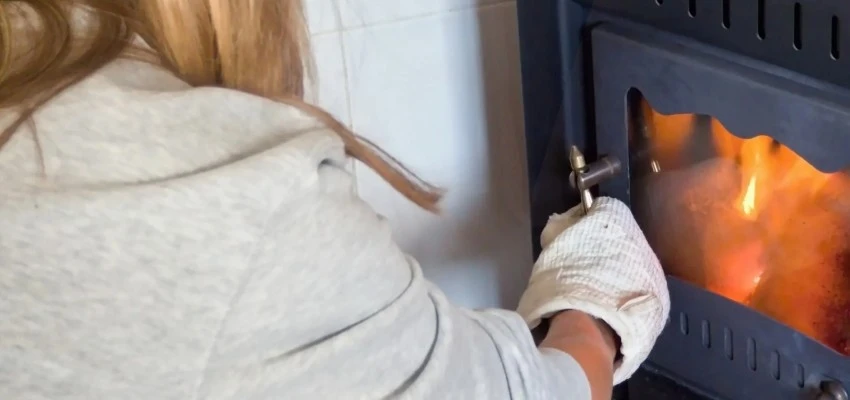
Catch a weak thermocouple early with Gas Fireplace Maintenance

