
Looking after a chimney comes down to a few ideas that are easy to grasp once someone lays them out. Every answer below leads with the point and then gives the reasoning, so you can read one or all of them. It is written for anyone in West Vancouver who arrived after searching “residential chimney services” and wants to understand residential chimney care well enough to ask good questions and spot a vague answer.
Most homes need the same few things on a cycle. Cleaning and inspection come around regularly, often yearly if the fireplace or stove is used. Every so often, the cap needs replacing, the crown needs sealing or patching and the flashing needs attention where the chimney meets the roof. Dampers wear out, mortar joints erode and, eventually, many older chimneys need a new liner. Planning for these as normal upkeep, rather than surprises, makes them easier to budget. A company providing “residential chimney services” can outline what your chimney is likely to need next.
A general home inspection seldom looks inside the flue, so we recommend a separate chimney check, and a sale is one of the moments when a camera inspection is commonly advised. Home inspectors do valuable work, but they are covering an entire house in a few hours and rarely carry the tools to see up a chimney. On pre-purchase visits we regularly find things a buyer would want to know: liners that were never installed, tiles cracked by an old chimney fire, gas appliances venting into flues sized for wood. None of it is visible from the living room. Photos let buyer and seller discuss it with facts in hand.
Older homes usually have masonry chimneys, sometimes unlined or lined with clay tile, so care centers on mortar joints, tile cracks and water entry through aging crowns. Newer homes often have factory-built fireplaces with metal flues inside a framed chase, where the focus shifts to the chase cover, rust, joint connections and the parts the manufacturer specifies. Both still need cleaning and inspection. A technician handling “residential chimney services” should identify which type you have in the first few minutes and adjust the tools and checks accordingly.
On our visits the flue, smoke chamber, damper and firebox all get cleaned, working along the path of the smoke from the hearth up to the cap. We protect the floor and nearby furniture, seal the opening around our vacuum hose so dust stays contained, then work the flue with rods and a brush matched to the liner: stiff wire for clay tile, softer poly for stainless steel. The smoke chamber above the damper gets hand tools, because creosote clings to its sloped walls. Before and after, we look at the flue condition, often with a camera. At Chimney Sweep West Vancouver, the visit ends with a short walkthrough of what came out, how heavy it was and anything we would keep an eye on.
A standard chimney sweep usually takes about an hour to an hour and a half for a single flue. Expect more time if there are several flues, if a stove or insert has to be disconnected, if the roof is steep or high, or if the buildup is heavy or glazed. A camera inspection or a written report adds a little more. Plan to be available for the whole visit and for a short conversation at the end, when the technician explains what was found. If your day is tight, describe your setup when booking so the company can give you a realistic window.

Someone should be home, because almost every chimney visit starts and ends at the hearth. The firebox, damper and smoke chamber are reached from inside, and stoves or inserts may need to be opened up. We also prefer to show the owner what we found while the details are fresh, ideally with photos on a tablet or standing in front of the fireplace itself. A trusted neighbor, relative or property manager can stand in if you are at work. For rentals around West Vancouver, it helps to tell tenants ahead of time that someone will be working on the roof and at the hearth.
We recommend CO alarms on every floor of every home we work in, including one near the bedrooms, because a chimney is a safety system and alarms are its backup. Even a well-swept flue can be blocked overnight by a nest or a fallen tile, and a fireplace can spill fumes when exhaust fans pull against it. We also suggest a smoke alarm in or near the room with the fireplace or stove, placed as its maker directs rather than right above the hearth, and a fire extinguisher within reach. If your alarms are older than anyone can remember, replacing them is a small job with a large payoff.
Some owners do sweep their own chimneys, but we see enough DIY mishaps to suggest leaving the flue to a professional. Wire brushes can scratch stainless steel liners, and rods pushed from below without a vacuum spread soot through the room. Falls from roofs are a real risk. Sweeping logs can make loose creosote flakier so it drops more easily, which helps between visits, yet the debris still has to come out and the flue still needs a look. The parts we encourage owners to handle are good burning habits and visual checks; cleaning and inspecting are where trained eyes and proper tools pay off.
The chimneys we find cleanest belong to owners who burn hot and dry. Creosote forms when smoke cools before it leaves the flue, so anything that keeps smoke hot and thin helps. Well-seasoned wood looks gray, has cracked ends and knocks hollow; heavy, fresh-looking logs hiss and smoke. Top-down fires, with kindling above the larger pieces, tend to burn cleanly from the start. Stove owners who run a brisk fire for a while each morning, rather than smoldering it all night, also see less buildup. A flue that stays lightly coated from one year to the next is the clearest proof the routine is working.

Simple routines at home go a long way, and a periodic visit catches what you cannot see. Together they keep your chimney in steady shape year after year. Call (778) 719-4326 to plan the next check with Chimney Sweep West Vancouver.
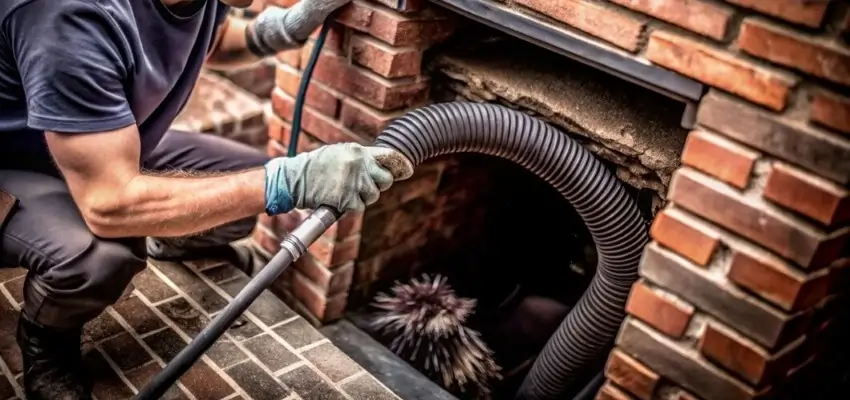
Chimney Cleaning that lifts soot and creosote in West Vancouver
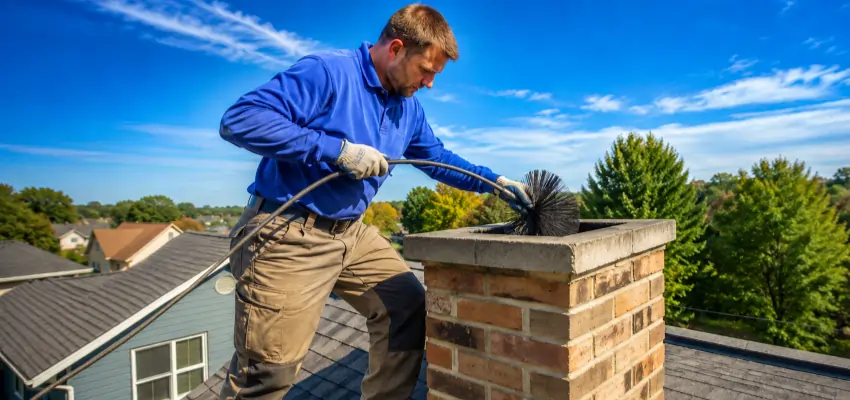
Why West Vancouver homeowners book Chimney Sweep visits yearly
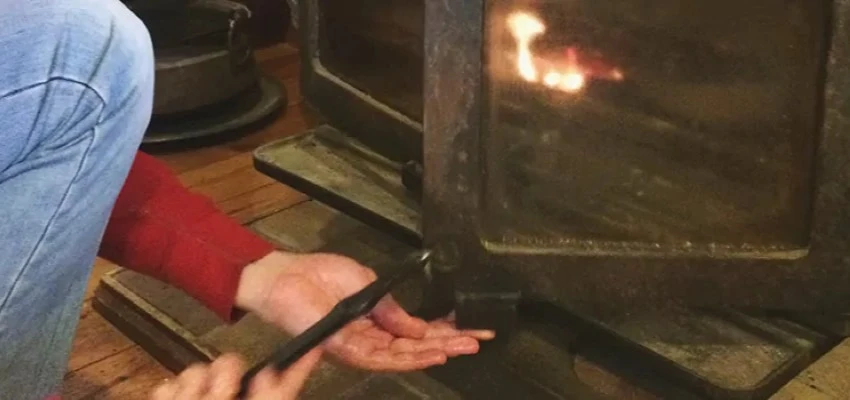
Swept and checked: Chimney Sweep Services in West Vancouver
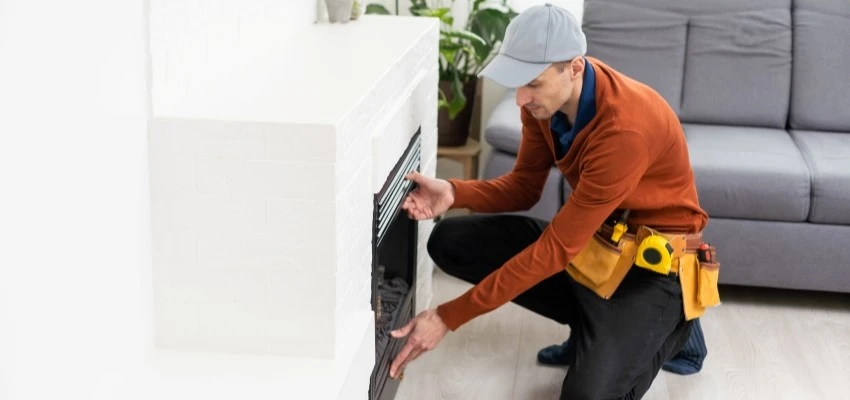
Ready for the season with Fireplace Experts in West Vancouver
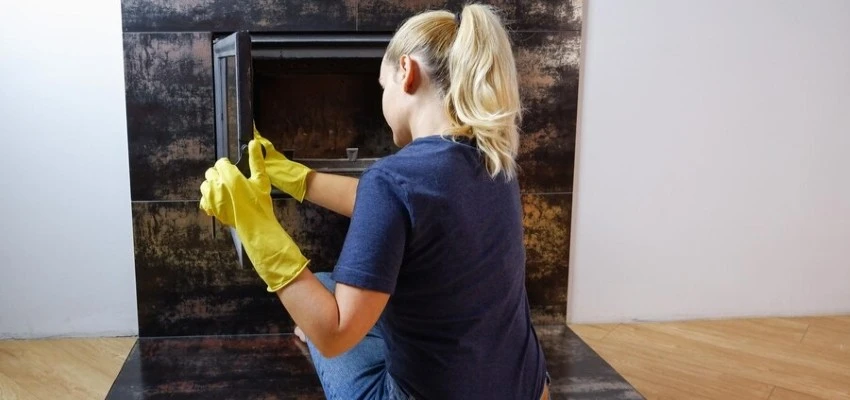
Control area vacuumed during Gas Fireplace Cleaning
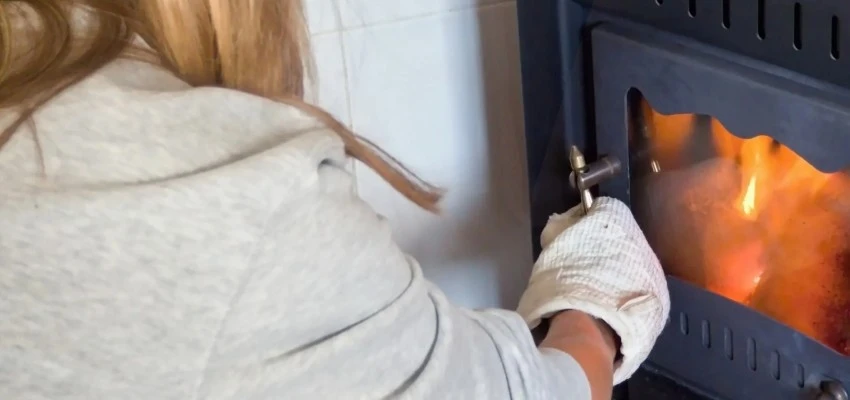
Catch a weak thermocouple early with Gas Fireplace Maintenance

