Our Work

Featured Chimney Care in West Vancouver

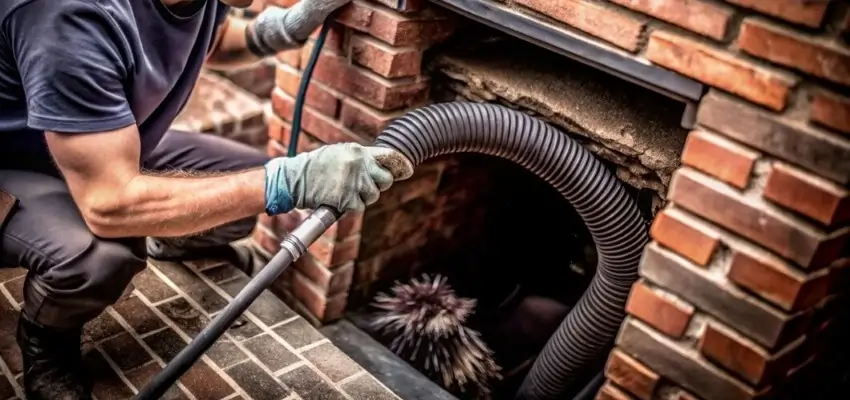
Chimney Cleaning

Chimney Cleaning

Chimney Cleaning that lifts soot and creosote in West Vancouver
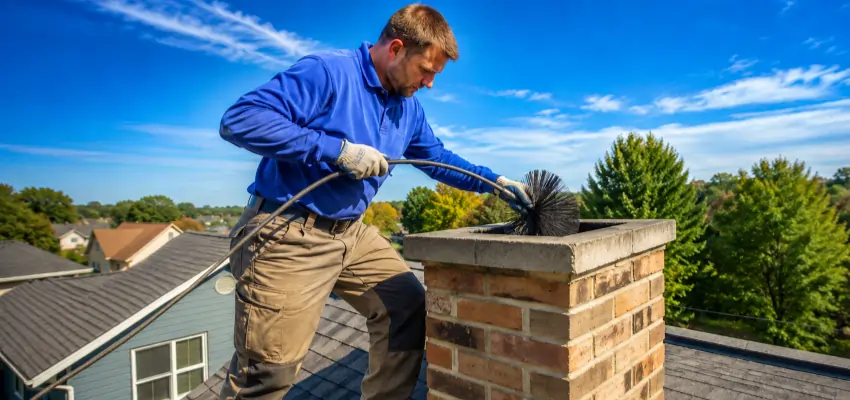
Chimney Sweep

Chimney Sweep

Why West Vancouver homeowners book Chimney Sweep visits yearly
Fireplace Experts

Fireplace Experts

Ready for the season with Fireplace Experts in West Vancouver
You May Also Need

Service Directory

Deep-Freeze Homes

When the Cold Settles In: Chimney Questions for Hard Winters

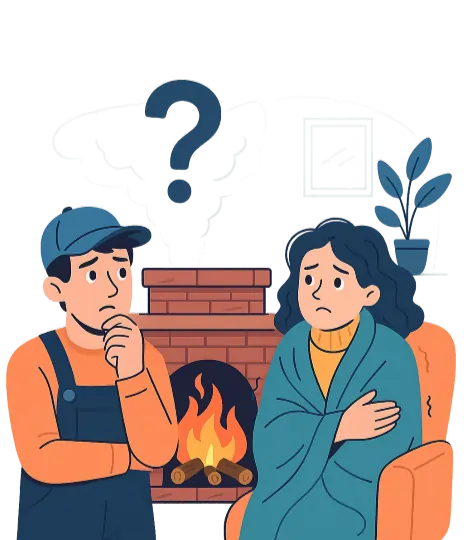
When temperatures stay far below freezing for weeks, the fireplace or stove works harder and every weak spot in the chimney shows itself. These answers are written for households that depend on steady heat through the coldest stretch. If your home in West Vancouver has a particular quirk, such as a long stovepipe or a north-facing chimney, mention it when you get in touch.
Plain products work well: bundles of wood wool, compressed sawdust cubes or wax-and-sawdust blocks made for fireplaces. Homemade starters can work, but the less you improvise, the fewer surprises you get. Skip glossy magazines, colored wrapping paper and treated lumber, which burn poorly and give off fumes. Keep starters in a dry spot well away from the stove.

When the fan loses power, the chimney falls back on natural draft, which may be too weak to clear the smoke, so a fire can spill into the room. A properly installed system is wired to shut the appliance down or limit it when the fan stops. If your system has no such interlock, ask the installer. Do not rely on a fan-assisted fireplace as your only source of heat during outages.

Caps made from thin galvanized steel rust early when exposed to rain, soot and acidic flue gases, and salty air or road spray can speed it up. Stainless steel or copper holds up much longer. A rusty cap that still sits firmly may be fine for a while, but crumbling mesh or a cap that rattles loose should be replaced before wind or birds do it for you.

The answer turns on the lease and on local tenancy rules, so read the agreement and check with your housing office or a legal adviser. In practice, many landlords arrange the chimney work themselves, because the structure belongs to the building. Whatever you decide, put it in writing, keep the invoices and tell tenants when a service is due.

If the chimney has seen steady use and nobody has examined it for a while, an inspection is usually the wiser start, because it tells you whether the flue is safe to use at all. If you know the chimney is sound and only want it cleaned, a sweep on its own is reasonable. When in doubt, describe your situation on the phone and ask which fits; most technicians will gladly steer you.

Start by not burning during the strongest gusts. When you do light a fire, warm the flue first by holding a lit, rolled-up newspaper near the open damper, then build a small hot fire rather than a smoldering one. Cracking a window near the hearth supplies air so the house does not pull smoke downward. If smoke still spills out, let the fire die, ventilate the room and have the chimney checked.
When the Cold Settles In: Chimney Questions for Hard Winters

Something Else?

Send us a note.

(778) 719-4326 Message Us

Project Details Form

An address is optional, but it helps us plan the right crew and time.