
Some of the most useful chimney conversations happen after the tools are packed, when the owner finally asks what they have always wondered. This page puts those questions up front. If you searched for “soot removal” in West Vancouver, you will find how chimney soot cleanup is usually approached, what differs from one flue to the next and where your own observations can help the technician do a more thorough job.

Usually not, so it is worth clarifying. In chimney work, “soot removal” means clearing soot from the flue, smoke chamber and firebox so the system drafts properly. Soot that has spread into a room, for example after a puffback from a furnace or smoke spilling from a fireplace, is a cleaning and restoration job for walls, ceilings and furnishings, and it is often handled by a different kind of company. A chimney technician can, however, find out why the soot escaped, which matters if you want to keep it from happening again.
Black flakes dropping from the damper, a sluggish fire and a campfire smell that hangs around are the signs we see most, and any owner can spot them. When we open a damper and a shower of debris comes down, the flue is overdue. A fire that sulks, needs constant coaxing or leaves a haze in the room tells us the draft is restricted somewhere. A sharp odor long after the last fire usually comes from deposits in the flue. We also ask about the calendar: if nobody remembers when the chimney was last swept, that alone is reason enough to book a look before the next fire.
Fast soot buildup points to incomplete combustion, meaning the fire or burner is not getting enough air or is not hot enough. In wood-burning appliances, damp wood, smoldering fires and a restricted air supply are the usual causes. In gas or oil appliances, it often means the burner needs cleaning or adjustment, which is a job for a qualified technician, not a do-it-yourself fix. A narrowed or partly blocked flue makes all of this worse. If you find yourself needing chimney soot cleanup more often than once a season, ask the technician to look for the root cause.
The obvious signs are noise, smoke and flames at the top, but the ones we look for are what a fire leaves behind. Creosote that has burned swells into a light, porous crust that looks a little like charcoal sponge. Clay tiles crack or shift, metal liners and caps can buckle or turn blue, and the mortar near the top may show heat damage. We sometimes find these marks in chimneys whose owners had no idea anything happened, because a slow fire can burn out on its own. That is why a camera inspection is the usual next step whenever there is any doubt about a past fire.
Hardened, glazed creosote is usually removed with rotary tools that scrape the flue wall, with chemical products that soften it over several fires, or with both, because an ordinary brush simply slides over its glassy surface. It forms when cool, smoky fires leave layer after layer of tar that bakes hard. Removal often takes more than one visit, and you may be asked to burn a few fires after a chemical application before the technician returns to finish. Sometimes the glaze is so thick, or the liner so damaged beneath it, that replacing the liner is the more sensible option. Ask for photos before and after.

From the scheduling side, spring and summer give owners the most choice and give us time to handle repairs before the cold arrives. A flue swept right after the last fire of the season also smells better through the muggy months. The rush starts with the first chilly week of fall, and calendars around West Vancouver fill quickly from there. For businesses with fireplaces or ovens, quieter stretches of their year are usually easier for access as well. We sweep in every season, though. The right time is whenever a problem shows up, and otherwise a fixed month you will remember each year.
Preparing for a chimney visit mostly means letting the fireplace or stove cool and clearing space around it. Skip fires for at least a day beforehand so the ashes and flue are cold. Move furniture, rugs, screens and decorations a few feet back from the hearth, and take fragile items off the mantel. Outside, make sure the technician can reach the roof: unlock gates, move vehicles away from the walls where a ladder may go and keep pets indoors. Note anything unusual you have noticed, such as smells, sounds or smoke, and have the date of the last cleaning handy if you know it.
The chimneys we find cleanest belong to owners who burn hot and dry. Creosote forms when smoke cools before it leaves the flue, so anything that keeps smoke hot and thin helps. Well-seasoned wood looks gray, has cracked ends and knocks hollow; heavy, fresh-looking logs hiss and smoke. Top-down fires, with kindling above the larger pieces, tend to burn cleanly from the start. Stove owners who run a brisk fire for a while each morning, rather than smoldering it all night, also see less buildup. A flue that stays lightly coated from one year to the next is the clearest proof the routine is working.
A local company brings knowledge a visiting crew would have to guess at, and that is the main reason to hire one. Working the same area season after season, we learn which streets have older brick chimneys with clay liners, which developments used factory-built metal flues and where storms tend to loosen caps. We also know local burning habits and when the fall rush begins. That makes quotes more accurate and visits shorter. When you call around West Vancouver, ask where the crew is based and whether the same technician can come back for a follow-up.

A new address is a good moment to find out the real condition of your chimney, since previous owners rarely leave notes. Chimney Sweep West Vancouver can take a look and tell you what is fine and what deserves attention. Book a visit while you are settling in.
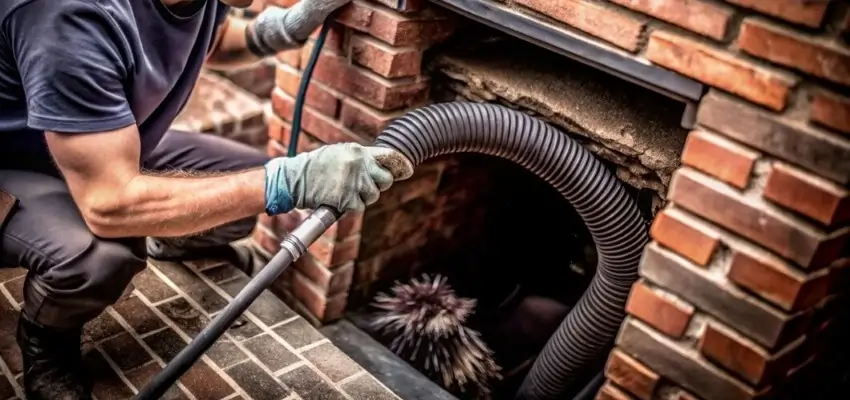
Chimney Cleaning that lifts soot and creosote in West Vancouver
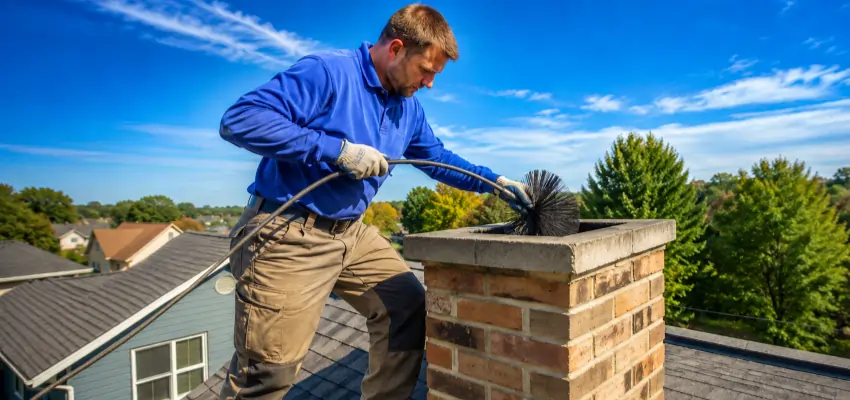
Why West Vancouver homeowners book Chimney Sweep visits yearly
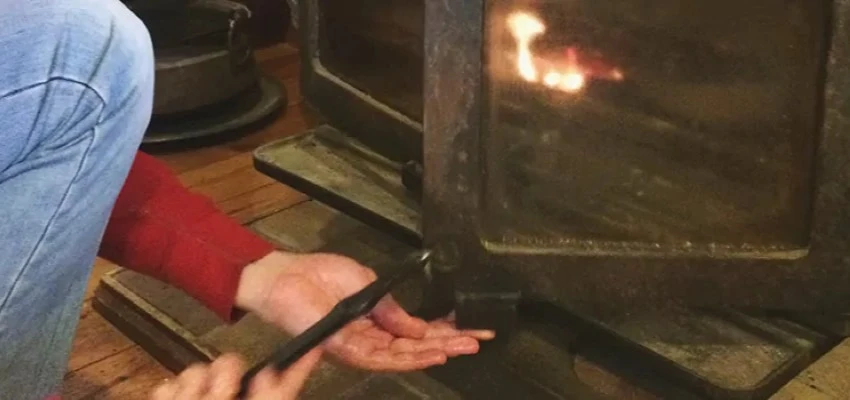
Swept and checked: Chimney Sweep Services in West Vancouver
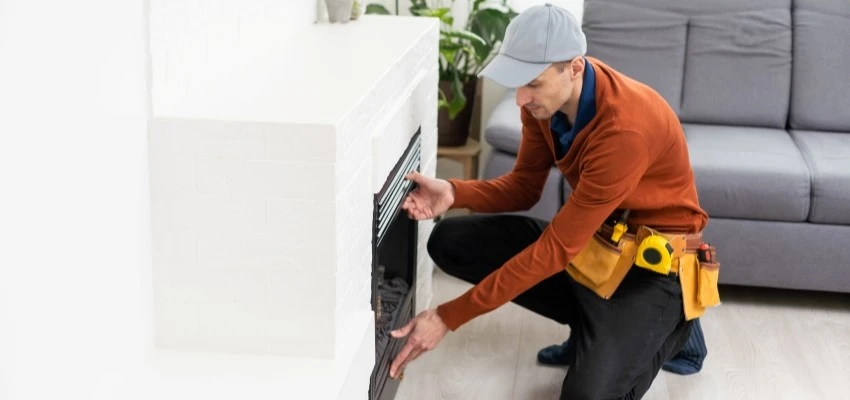
Ready for the season with Fireplace Experts in West Vancouver
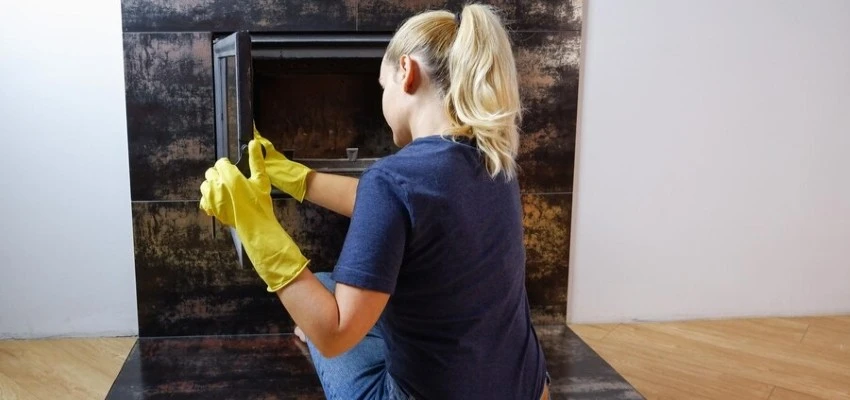
Control area vacuumed during Gas Fireplace Cleaning
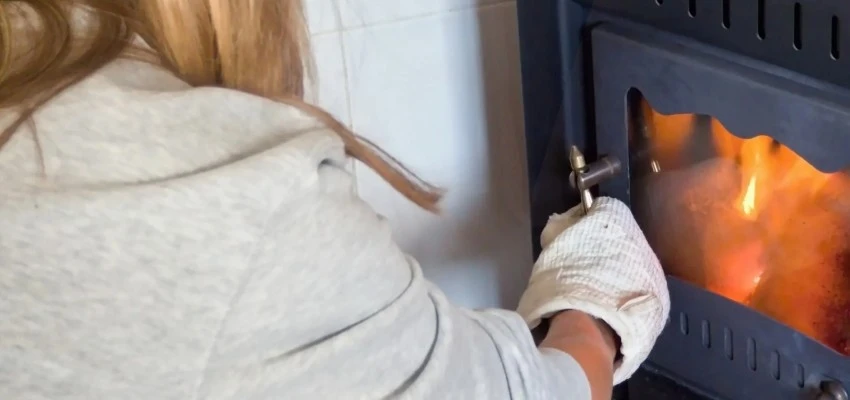
Catch a weak thermocouple early with Gas Fireplace Maintenance

