
Nobody needs to panic about a chimney, and nobody should ignore one either. The sensible middle ground is knowing what to watch for and when to bring in help. If “wood stove chimney services” is what you typed, this page lays out that middle ground for people in West Vancouver: what wood stove chimney care involves, what a technician looks at and what you can keep an eye on between visits, all in plain terms and with the reasoning behind each answer.

The system starts at the stove’s flue collar, where the connector pipe, often called stovepipe, attaches. That pipe runs to either a wall pass-through or a ceiling support, then joins the chimney itself, which may be a lined masonry flue or an insulated, factory-built metal chimney. At the top, a cap keeps out rain and animals. Each joint and transition is a point where creosote can gather or a seal can fail. Asking for “wood stove chimney services” means caring for every one of those pieces, not just the visible pipe above the stove.
Smoke comes back into the room when the chimney cannot pull it upward fast enough, and the usual causes are a cold flue, a partly closed damper or a house that is short of air. Make sure the damper is fully open and start with a small, hot kindling fire so the flue warms gradually. Kitchen and bathroom fans can draw air down the chimney, so switch them off and open a nearby window slightly. Wet wood produces heavy smoke too. If smoke still spills in after those changes, a blockage or a problem with the chimney itself needs a professional look.
During a chimney sweep, the technician scrubs the inside of the flue from top to bottom and removes the loosened buildup without spreading it through the room. A typical visit starts with drop cloths around the hearth and a powerful vacuum set up at the fireplace or stove opening. Brushes sized to the flue are run through on flexible rods, from below, from the roof or both. The smoke chamber, damper and firebox are cleaned as well. Most sweeps finish by checking the cap and the visible parts of the chimney and telling you what they saw, including anything that needs attention later.
Hardened, glazed creosote is usually removed with rotary tools that scrape the flue wall, with chemical products that soften it over several fires, or with both, because an ordinary brush simply slides over its glassy surface. It forms when cool, smoky fires leave layer after layer of tar that bakes hard. Removal often takes more than one visit, and you may be asked to burn a few fires after a chemical application before the technician returns to finish. Sometimes the glaze is so thick, or the liner so damaged beneath it, that replacing the liner is the more sensible option. Ask for photos before and after.
Most wood stove chimneys need sweeping at least yearly, often more frequently than an open fireplace, and we base the schedule on how the stove is used rather than a fixed date. A stove that runs day and night through the coldest months can coat its pipe and flue in a matter of weeks if the wood is damp or the air control is turned right down. For those homes we often suggest a sweep before the season and a quick inspection midwinter. A stove lit mainly on weekends may be fine with one visit a year. After a few seasons of notes, the right interval becomes obvious.
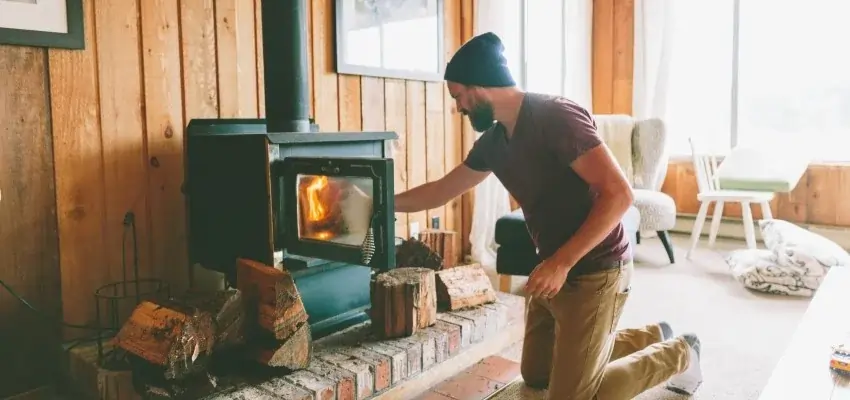
We tell most owners to plan on a yearly visit and let the findings set the sweeping schedule. If we pull out a heavy load after one season, the chimney should be checked sooner next time; if the flue is lightly coated, stretching the interval is reasonable. Fuel and habits matter more than the calendar. Dry hardwood burned hot leaves far less behind than damp wood or a stove turned down overnight, and inserts and stoves often need attention more often than open fireplaces. Keeping a note of each visit and what came out makes the right rhythm for your chimney easy to see.
You can handle simple upkeep yourself, but the sweeping is usually a job for a professional, and creosote sweeping logs only loosen some deposits rather than replacing a real cleaning. Safe tasks include removing cold ashes, keeping the hearth clear, looking up the flue with a flashlight when the fire is out and checking the cap from the ground with binoculars. Full sweeping means roof work, brushes matched to the liner and a way to contain soot indoors, and it skips the inspection a trained technician does at the same time. Leave anything involving the liner, masonry or gas parts to professionals.
Yes. Any new installation, relocation or swap of one stove for another changes how the system works, so it deserves a professional look before regular use. The technician checks that the connector pipe is the right size and properly secured, that the chimney suits the new stove and that clearances to walls, floors and furniture follow the stove maker’s instructions. Hearth protection under and in front of the stove matters too. If you are arranging “wood stove chimney services” after a renovation, mention any changes to nearby walls or flooring, since those can affect clearances as well.
If the sweep finds damage, ask to see it, ask what it means for safety and get a written quote before you agree to anything, since a sound recommendation can always be shown and explained. Photos or camera footage should make the problem clear. Ask whether the fireplace or stove can be used in the meantime, and which repairs are urgent and which can be planned. Common findings include a cracked crown, loose flashing, a rusted damper, a missing cap or cracked flue tiles. For larger jobs, such as relining, a second opinion is reasonable. Avoid deciding under pressure on the doorstep.
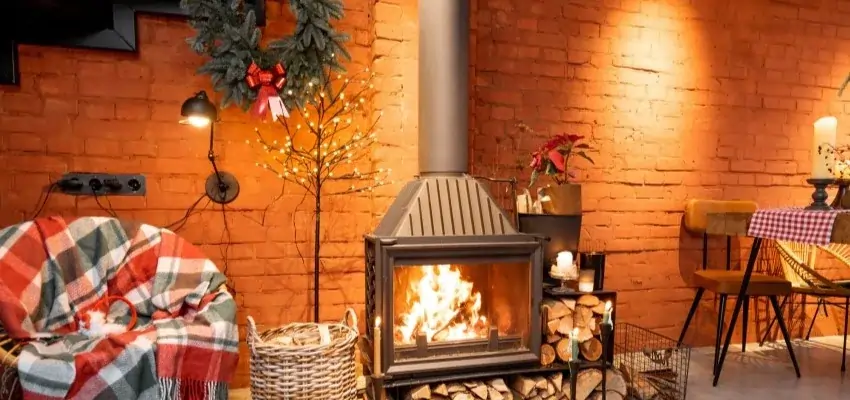
We would rather explain one thing clearly than list ten things you do not need. Ask us what matters for your home in West Vancouver and we will give you a straight reply. Get in touch with Chimney Sweep West Vancouver whenever you are ready.
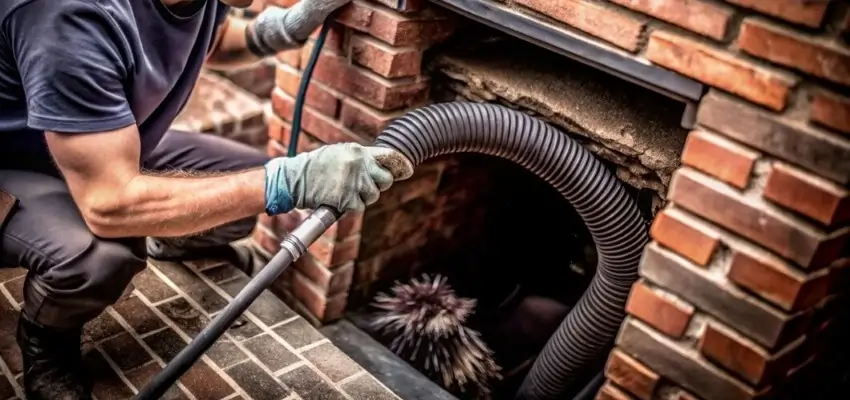
Chimney Cleaning that lifts soot and creosote in West Vancouver
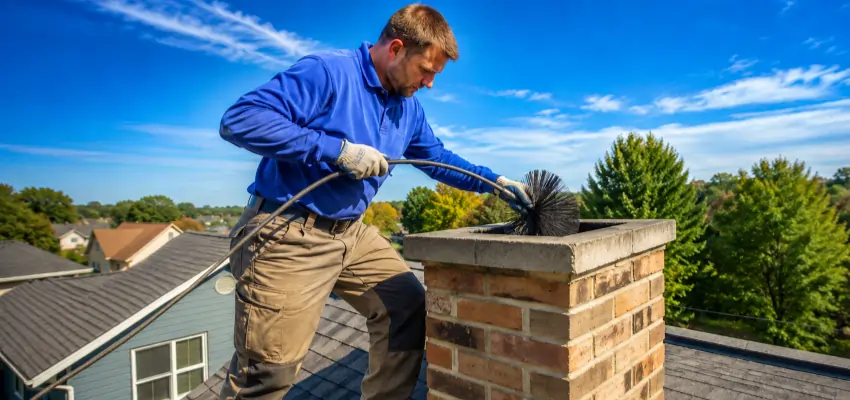
Why West Vancouver homeowners book Chimney Sweep visits yearly
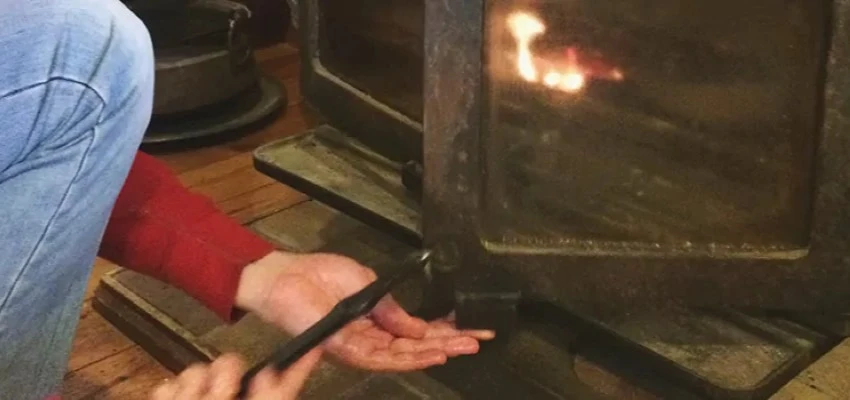
Swept and checked: Chimney Sweep Services in West Vancouver
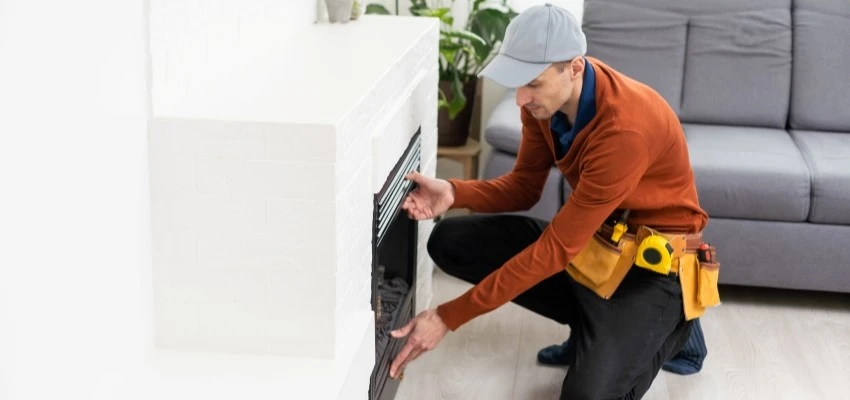
Ready for the season with Fireplace Experts in West Vancouver
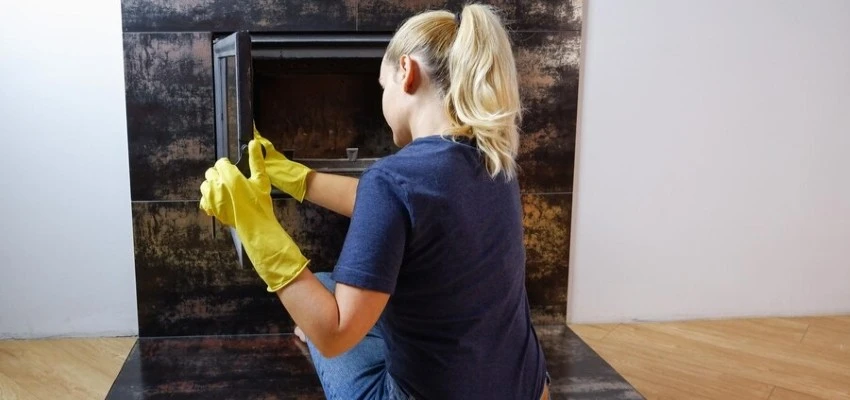
Control area vacuumed during Gas Fireplace Cleaning
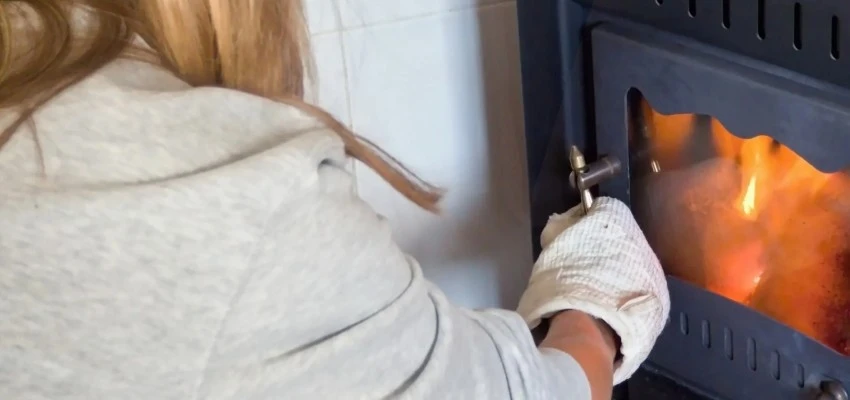
Catch a weak thermocouple early with Gas Fireplace Maintenance

