Buying a house with a fireplace or wood stove, or finally deciding to use one that has sat cold for years, raises a lot of questions at once. Homeowners in West Vancouver who type “wood stove cleaning” are often in exactly that spot. The answers that follow walk through wood stove sweeping step by step, so you know what to ask, what to expect from a visit and when it is safe to enjoy a fire again.

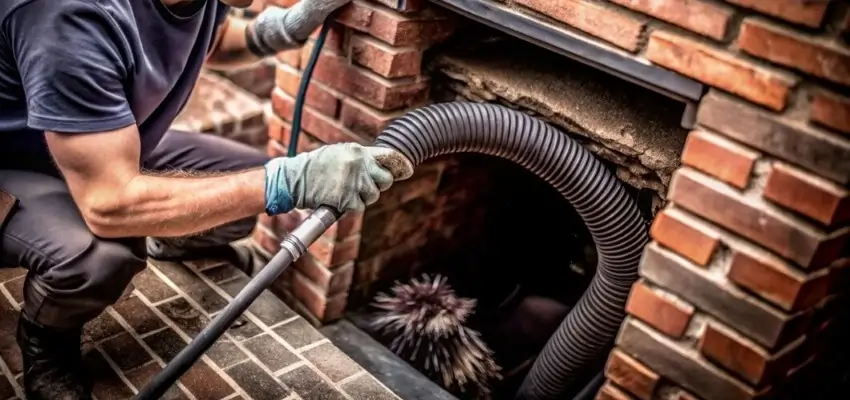
The chimney is the main part of any cleaning we do, and the firebox is only the starting point. Soot settles on every surface the smoke touches, from the damper or stove outlet all the way up to the cap, and the heaviest deposits usually sit just above the fire, where the gases first cool. We brush that entire path, pull the debris down into a contained vacuum, then clear the firebox and the hearth. When a company only scoops ashes and wipes the doors, the part that matters for safety has been skipped, and the next fire runs through the same dirty flue.
Regular care catches problems that build slowly and out of sight, and a wood stove that has gone years without a visit shows exactly that pattern. The flue carries a crust of creosote, the cap is clogged with leaves or missing, and joints in the firebox have eroded from repeated heating. None of it happened overnight, and most of it would have been a simple fix earlier on. Neglect also hides things like a cracked flue tile or a rusted damper, which only show up when someone looks. Routine service is really about knowing the condition of a system you trust with an open flame indoors.
A smoky odor is handled by removing the creosote and soot that cause it, then stopping air from carrying what remains into the room. A thorough sweep of the flue and firebox is the first step and takes care of most of the smell. After that, a damper that seals properly, a cap that keeps rain off the deposits and glass doors on an open fireplace all help. Some homeowners leave a tray of baking soda or activated charcoal in the cold firebox during warm months to absorb lingering odor. A sharp or rotten smell points to an animal in the flue instead.
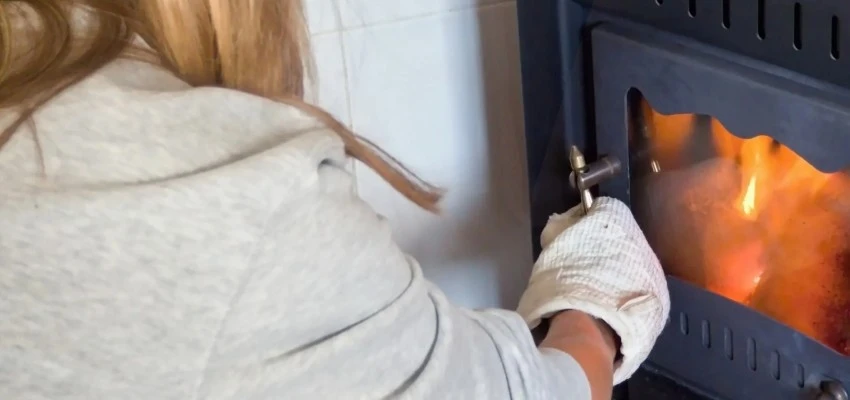
A wood stove is cleaned from the firebox outward, and the stovepipe gets as much attention as the chimney because it often holds more buildup. Elbows and horizontal runs are the usual trouble spots. We clear the ash and open up the firebox, removing the baffle so we can reach the flue collar. Depending on the setup, we brush the pipe in place or take it down, clean it outside and reinstall it with secure joints. The chimney is brushed through its full height. Before leaving, we check the gaskets, firebrick and air controls and wipe the glass so you can see the flames again.
They share most steps, but a catalytic stove has one extra part that needs gentle handling. Its catalytic combustor, a honeycomb element that burns off smoke, can clog with fly ash and is fragile, so it is cleaned gently, usually with a soft brush or light vacuuming, following the stove maker’s instructions. The technician also checks the bypass damper that routes smoke around it during start-up. Non-catalytic stoves rely on baffles and secondary air tubes instead, which are cleaned and checked for warping. When booking “wood stove cleaning”, mention the type if you know it, so the right brushes and parts come along.
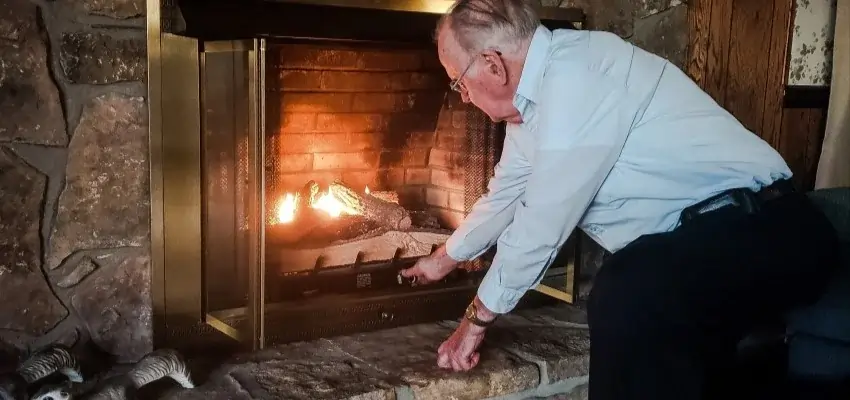
Many chimneys can be cleaned from inside, through the fireplace opening or stove, but a complete job often includes a look from the roof as well. Working from below with flexible rods handles plenty of flues, especially with a vacuum holding the dust back. The roof is where the cap, crown, flue top and outside masonry can be checked, and some caps or tight bends make cleaning from the top easier. Technicians only go up when weather and roof conditions allow it safely. Mention steep pitches, fragile roofing or tight ladder space when you book.
There is no need to clean the fireplace or stove before the visit, although clearing out a deep pile of completely cold ash is helpful. Technicians empty the firebox as part of the job and can learn something from what is there, such as how much creosote is falling or whether bricks are flaking. What matters most is that the ashes are cold, which can take several days after the last fire, since buried embers stay hot far longer than they look. Do take out unburned logs, kindling and decorations so the firebox is easy to reach.
Clean the glass only when the stove is completely cold, using a cleaner made for stove glass or a damp cloth dipped in a little fine wood ash, which works as a gentle polish. Wipe in small circles, then buff with a dry cloth. Avoid abrasive pads, oven cleaners and household glass sprays that are not meant for heat-resistant glass. If the glass blackens quickly after cleaning, the stove is likely running too cool or burning damp wood. Many people who search for “wood stove cleaning” are really after clear glass, and better burning habits keep it that way longer.
The questions that reveal the most are about scope and evidence: what is cleaned, what is inspected, how findings are shared and how extra work is priced. It is also reasonable to ask who will do the work, whether they handle masonry repairs themselves and how long any repair would need before the first fire. Asking how they deal with glazed creosote or a stovepipe that has to come apart shows quickly whether they have done it before. A technician who knows wood-burning systems answers each of these in a sentence or two, without hedging or upselling.
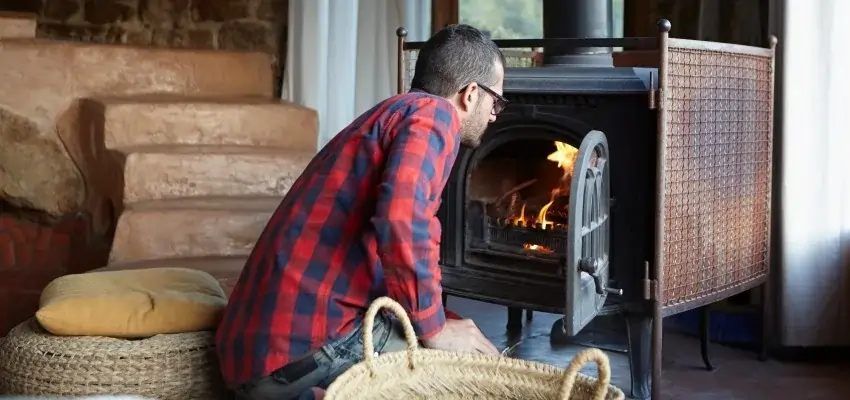
The hardest part is often deciding to deal with it. Once you call (778) 719-4326, we take care of the scheduling, explain the visit and send a technician to your home in West Vancouver. It is a straightforward way to get your wood stove looked after.
Chimney Cleaning that lifts soot and creosote in West Vancouver
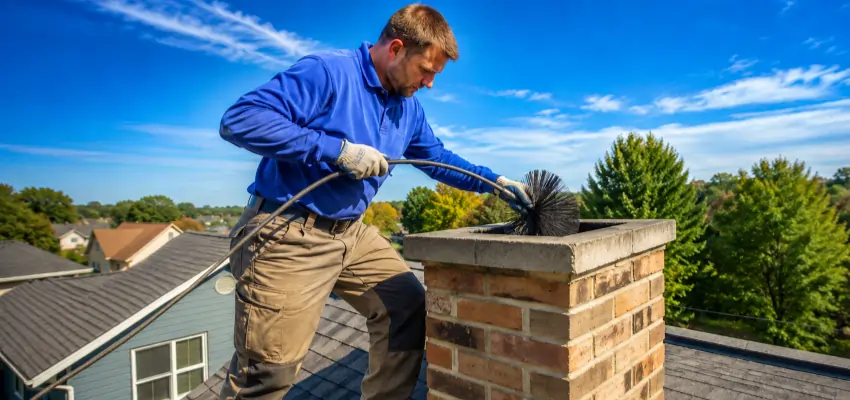
Why West Vancouver homeowners book Chimney Sweep visits yearly
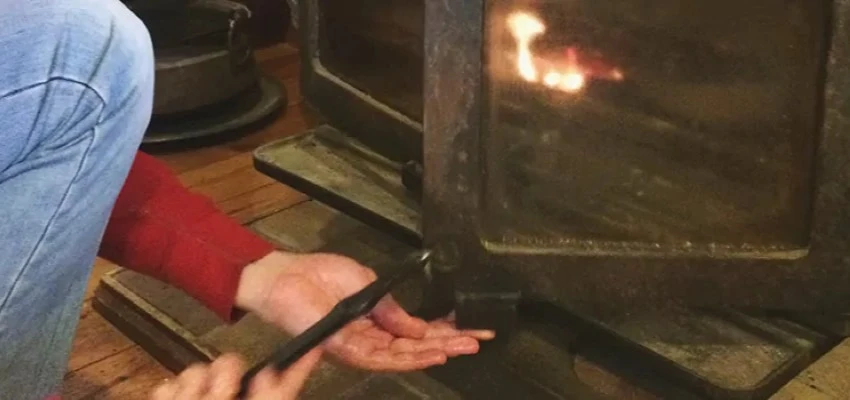
Swept and checked: Chimney Sweep Services in West Vancouver
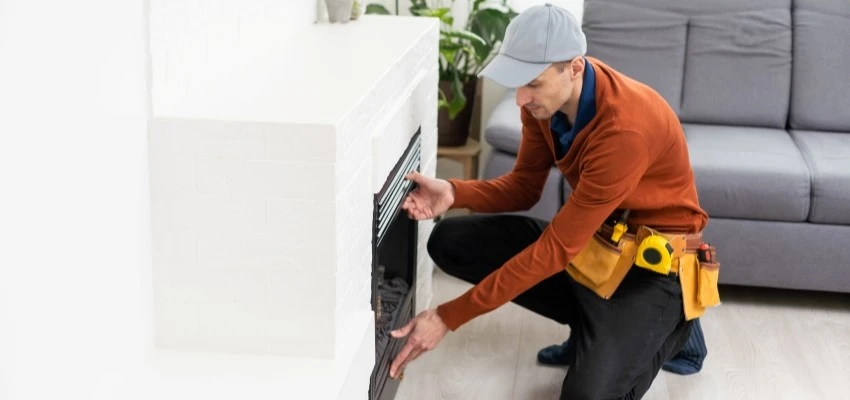
Ready for the season with Fireplace Experts in West Vancouver
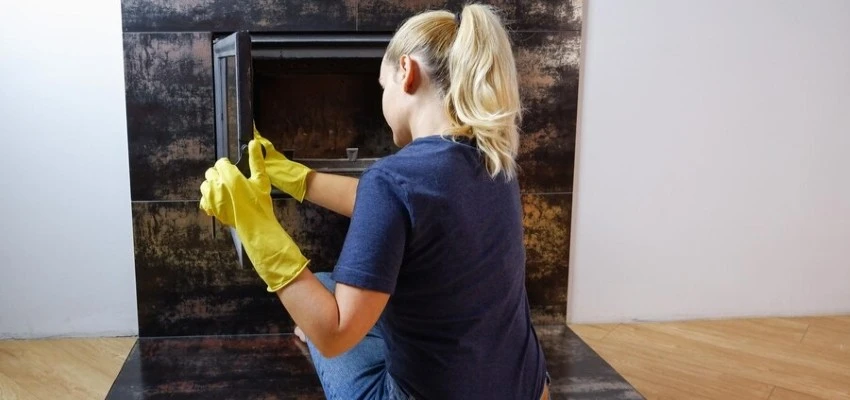
Control area vacuumed during Gas Fireplace Cleaning
Catch a weak thermocouple early with Gas Fireplace Maintenance